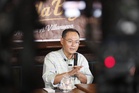
PUBLIC Works Secretary Giovanni Lopez vowed to tighten infrastructure project screening and crack down on document manipulation after the Senate axed P97.5 billion worth of DPWH proposals for failing to meet technical and documentary requirements.
Lopez stressed that no infrastructure project should make it into the national budget without complete documentary requirements and proper technical validation, as the administration tightens its crackdown on irregularities in public spending.He warned DPWH personnel against manufacturing or tampering with documents to make questionable projects appear eligible for government funding.
Mandatory requirements include an approved Program of Work, validated geo-tagged photographs, Budget Preparation 202 compliance documents, a Certificate of Implementability and a master plan or feasibility study with the necessary endorsement from the concerned local government unit.
The Senate Finance Committee previously struck out approximately P97.5 billion in DPWH projects after finding that they lacked the necessary supporting documents and technical requirements.
Deleted projects include P87 billion worth of items inserted in the House-approved budget, P8.8 billion covering 295 projects in the original N ational Expenditure Program, and P1.7 billion for 36 DPWH building projects.
Lopez said the department will sustain and accelerate reforms initiated by former public works secretary and now Transportation Secretary Vince Dizon, particularly stricter project screening and validation to prevent irregularities and ensure that taxpayers’ money is spent properly.
Sen. JV Ejercito, chairman of the Senate Finance Committee, said the massive deletions followed weeks of scrutiny and public hearings on the proposed budget.
“This is the result of the Senate scrutinizing the budget over the past few weeks. So P97 billion was the worth of projects that were deleted from the DPWH projects,” Ejercito said.
The Senate is preparing to bring the proposed national budget to the plenary for debate, following months of hearings and a comprehensive review of government spending.
It aims to complete plenary deliberations and approve the 2027 national budget by Dec. 7 to avoid a reenacted budget.