THE research arm of a universal bank, China Banking Corp., estimated that a severe El Niño could raise annual headline inflation by as much as 1.57 percentage points, including a second-round impact of 0.26 percentage point as higher agricultural costs feed through to other parts of the economy.
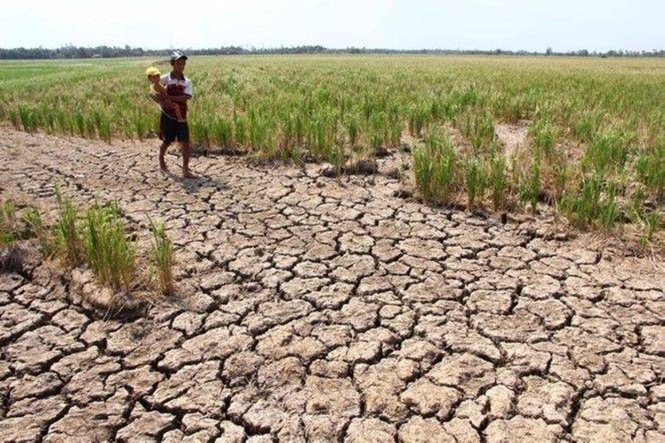
In its latest commentary, Chinabank Research said the inflationary impact of El Niño could extend beyond farms and markets, as drought-related crop losses threaten to push up food manufacturing costs and trigger broader price increases for consumers.
Actual consumer price growth is already above the government’s target of 2.0 to 4.0 percent at 7.2 percent in September.
Chinabank said inflation could peak in the last three months of this year and could remain below 8.0 percent. However, a severe El Niño could push it above that level.
“El Niño is not just an agriculture story — it is a potential second-round inflation shock and an additional drag on growth,” it said.
“The inflationary impact is not necessarily proportional to the decline in agricultural output, as timely imports and adequate rice inventories could cushion supply disruptions,” Chinabank said.
With inflation already elevated, a more severe El Niño remains a key upside risk to their inflation outlook, Chinabank said.
The phenomenon is expected to persist through the first half of 2027 and could peak before the end of 2026.
“This suggests that inflationary impact of the current El Niño will depend not only on the extent of domestic production losses but also on the availability and cost of imported rice and the government’s ability to maintain adequate buffer stocks,” Chinabank said.
It said the largest direct economic effects would likely come from losses in palay, corn and other crops.
Additionally, Chinabank said the weather phenomenon could reduce gross domestic product growth by 0.20 percentage point under a weak scenario, 0.41 percentage point under a strong scenario and 0.81 percentage point under a severe scenario.
The estimated drag would be more pronounced in 2027, when the impact on growth could reach 0.15 percentage point under a weak scenario, 0.30 percentage point under a strong scenario and 0.61 percentage point under a severe scenario.
Chinabank said this could complicate the policy decision of the Bangko Sentral ng Pilipinas (BSP).
“While markets may continue to price in BSP rate hikes, monetary tightening has limited ability to address supply-driven inflation,” Chinabank said.
It added that the central bank’s earlier preemptive hikes should provide some “buffer” against second-round price pressures.