
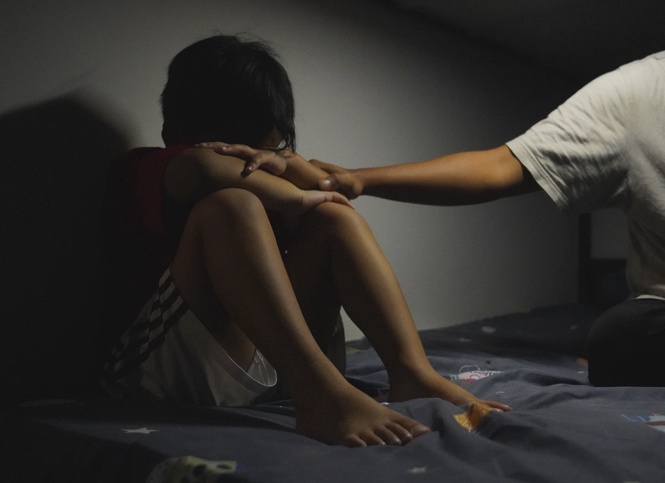
Child rights advocates stress that preventing online sexual exploitation of children requires early intervention, parental awareness, and digital safety education beyond law enforcement.
PETALING JAYA: Preventing children from becoming involved in online sexual exploitation requires more than arrests, with parents, schools, platforms and authorities needing to identify risks and intervene before harm occurs, said child rights advocates.
Suka Society (Persatuan Kebajikan Suara Kanak-Kanak Malaysia) executive director Anderson Selvasegaram said children needed practical education on digital and sexual safety, while parents should be more aware of what their children were accessing online.
“Supervision cannot simply be about screen time. Parents need to know what their children are accessing, who they are communicating with and what they may be exposed to.”
Anderson said schools also needed stronger safeguarding systems to identify concerns early and provide support, while online platforms should take greater responsibility for preventing and responding to child sexual exploitation.
This is particularly important as artificial intelligence made the creation and manipulation of sexual content easier.
“Law enforcement and child-protection agencies need to work together to understand not only the offence but also the circumstances and protection needs of the child involved.
“Understanding what happened before a child reached this point is not about excusing harmful behaviour.
“It is about asking where we could have intervened earlier and what needs to change so that other children do not end up in the same situation.”
Anderson said greater access to devices and platforms such as the web, WhatsApp and online groups have made it increasingly difficult to shield children from sexual abuse and pornographic material.
He added that a child, depending on their age and maturity, may need to be held accountable for their actions while also being recognised as a child who may have been groomed, coerced, exploited or left without adequate adult guidance.
Meanwhile, CRIB Foundation co-chairperson Srividhya Ganapathy said Malaysia has strengthened its laws to protect children, but the bigger challenge is preventing online sexual exploitation before children become involved.
“Intervention needs to happen much earlier. Children need continuous online-safety education.
“Parents and teachers need to recognise warning signs. Children need safe reporting pathways.”