Eight European and developing countries have called for the COP31 final deal to include a fossil fuel exit strategy – after all mention of such a roadmap was scrubbed from the latest draft.
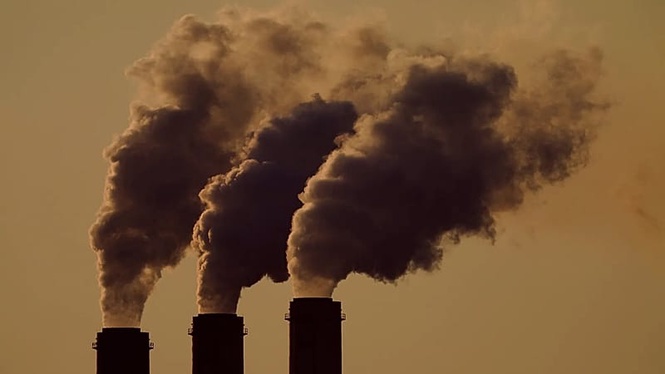
In an open letter published today (20 November) as the UN climate summit in Antalya, Türkiye, headed for overtime, the group listed the transition away from oil, gas and coal – the main driver of climate change – among issues that should "be fully reflected" in the meeting's final decision.
They also listed five other demands, including that UN science reports serve as the basis for decisions and that "those who produce the problem" help the world deal with climate change.
"Developed countries, oil-producing countries, and carbon emitters should proportionally contribute to adaptation and mitigation efforts and to climate finance," they wrote.
They demanded "an immediate push for electrification based on renewable and low-carbon energies" and a "strong signal to accelerate methane emission reductions".
France, Germany, the Netherlands, Norway, and Switzerland are among the European countries who backed the letter.
COP31 agreements require consensus from all parties, almost 200 nations, which means progress can often be slow and incremental.
It’s a rehash from last year's COP30 Sumit in Belém, where the transition away from fossil fuels (TAFF) was erased from the final deal following resistance from fossil-fuel exporting countries.
Panama is one country in particular that has been clear of its expectations during the summit, threatening to block any final deal deliver on a cap of oil production alongside a strident defence of science.
But as María Fernanda Espinosa, UN Secretary-General candidate and former UN General Assembly President, told Euronews on Thursday evening, "Nothing is agreed until everything is agreed", as she recalled difficulties surrounding mention of fossil fuels at COP28 in Dubai, when it eventually made it into the final text.
What is expected from COP31?
The draft "cover decision" is designed to capture the outcome of COP31 and set the course for future action as global temperatures rise and climate disasters multiply.
But after days of tense consultations, negotiations chair Australia published a slimmed-down text, half the original length, containing fresh language and new proposals on some of the most contentious issues.
This includes a call to increase the global share of final energy demand met by electricity to 35 percent by 2035 – a key initiative of COP31 host Türkiye.
The 35 x 35 pledge has gained criticism for not explicitly stating that the additional power should come solely from renewables.
RelatedNo baseline or goal has been clarified for tripling adaptation finance so far, despite a UN Environment Programme (UNEP) report published days before the summit warning that even tripling current international public adaptation finance would only meet 23-29 per cent of developing countries’ needs.
Rich nations have resisted calls to increase support for countries struggling to adapt to climate change, citing budget constraints and insisting that big emerging economies also contribute.
The draft deal also contains a recognition of the "best-available science" and a reference to the work of the Intergovernmental Panel on Climate Change (IPCC), a key battleground at COP31.
COP31 has been 'muzzled'
Nations agreed at COP28 in Dubai in 2023 to transition away from fossil fuels, but language around energy sources is highly contested at the yearly talks.
"If the latest version of the COP31 text remains, this will be a ghost COP," warns Mohamed Adow, founder and director of climate think tank Power Shift Africa.
He wrote on LinkedIn: "The summit will have nothing to show for what happened here. After the progress made in 2023 at COP28 in Dubai where fossil fuels were mentioned for the first time, there is now no mention of the f-word at all."
Mohamed Adow Founder and director of Power Shift Africa
Despite the erasure of TAFF from the draft deal, several countries have published their own roadmaps to transition to clean energy.
On 11 November, Finland affirmed its commitment to TAFF by publishing a national roadmap, following in the footsteps of France, Germany and the Netherlands.
Almost a week later (17 November), Denmark, Portugal, Luxembourg and Spain announced their own national plans.
While “you can always wish and fight” for TAFF to be anchored in the cover decision, “this is not for us the ultimate benchmark for success,” German Environment Ministry State Secretary Heike Henn told reporters on Monday (16 November), ahead of the draft’s publication. “The success is in doing, in a growing coalition,” she said.