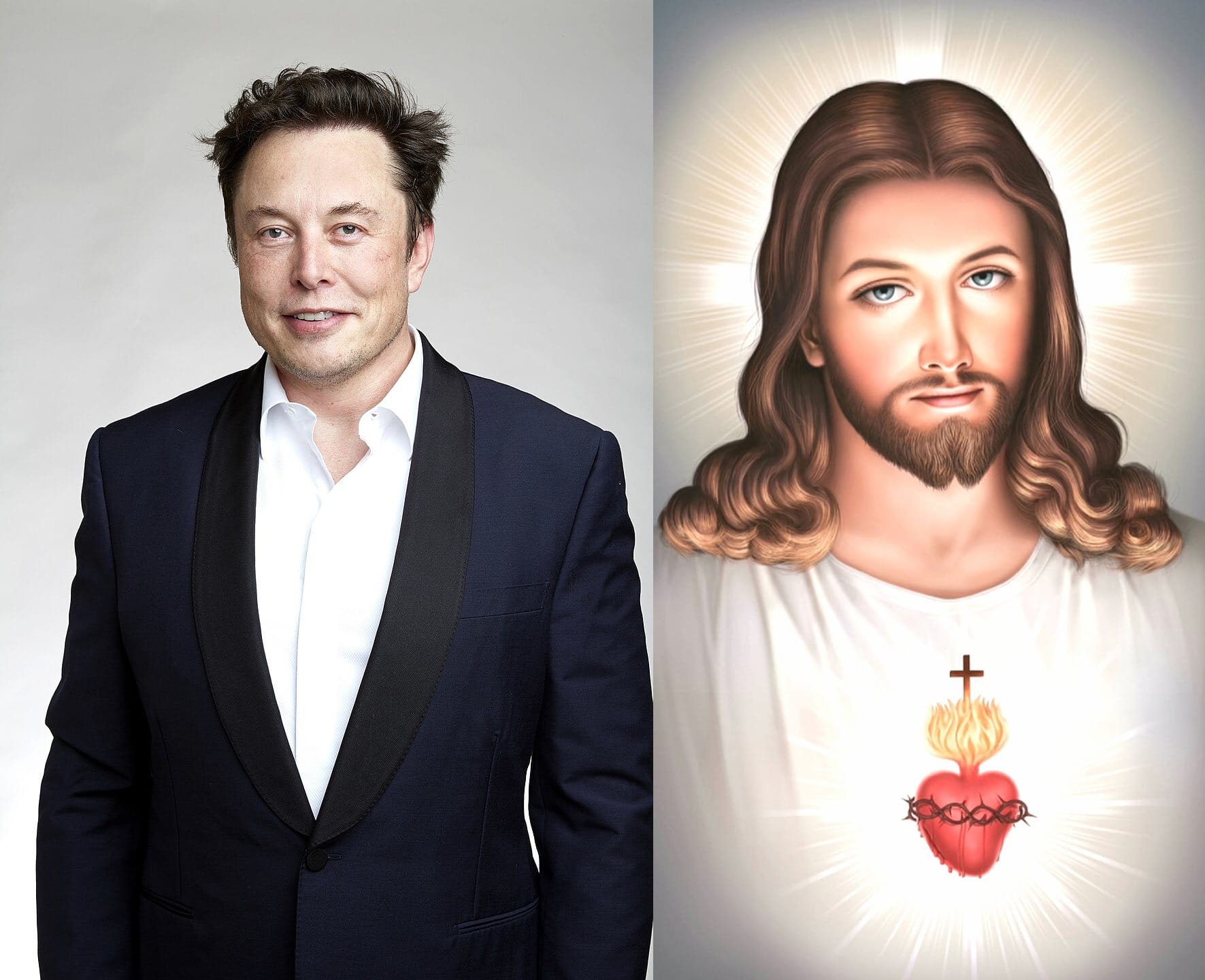
Elon Musk is no stranger to making bold statements. From reusable rockets and self-driving cars to humanoid robots and plans to colonise Mars, the billionaire has built a reputation for making predictions that often sound like science fiction.
But his latest comparison may be one of his most controversial yet.
Speaking during a recent video appearance at an event in Israel, Musk suggested that the medical ambitions of his brain-computer interface company, Neuralink, could eventually reach what he described as “Jesus-level” technology.
The comparison was based on Neuralink's long-term goal of helping people with severe paralysis regain control of their bodies and potentially restoring vision to people who are blind.
After discussing SpaceX and its rocket technology, Musk turned his attention to Neuralink and the possibilities offered by brain-computer interfaces, commonly known as BCIs.
According to Musk, the technology has already helped people who had lost the connection between their brain and body communicate again.
He added that Neuralink believes its technology could eventually allow people with paralysis to walk again.
Brain-computer interfaces are not an entirely new invention. Scientists have been researching the possibility of connecting the human brain directly to computers for decades, with the concept dating back at least to the 1970s.
However, the race to turn this technology into a commercially viable industry has accelerated significantly in recent years.
More than 130 BCI-focused startups have reportedly been launched since 2016, while Morgan Stanley has estimated that the brain-computer interface industry could grow into a market worth as much as US$80 billion by 2035.
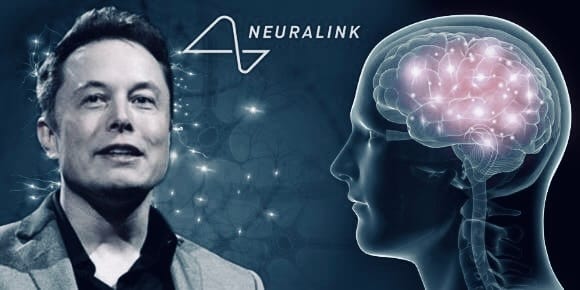
Neuralink is currently one of the most heavily funded companies in this rapidly developing field.
The company has reportedly raised around US$1.29 billion and has been valued at approximately US$9 billion. Musk has also said that Neuralink hopes to move towards high-volume production of its devices in 2026.
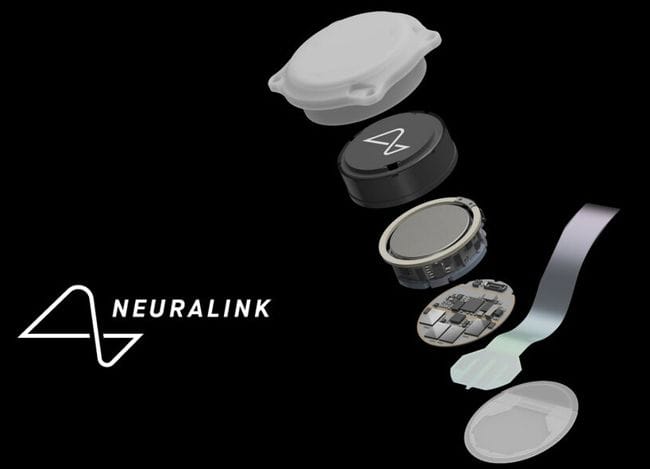
So far, the company has implanted its Telepathy device in at least 21 people with paralysis.
The implant is designed to allow users to control digital devices using signals from their brain. This could enable someone to operate a computer cursor, use a phone or potentially control robotic equipment without physically moving their hands.
Neuralink is also exploring whether similar technology could help people who have lost the ability to speak.
The company has been conducting clinical research involving an implant intended to restore or assist communication, raising the possibility that people with severe neurological conditions could one day communicate directly through a computer.
But Musk's ambitions extend far beyond controlling computers with thoughts.
He recently said that Neuralink expects to implant its Blindsight device into a patient for the first time by the end of the year.
The device is being developed with the aim of restoring some form of vision to people who are blind.
Musk has previously suggested that the technology could eventually go even further.
According to him, future versions of Blindsight may not simply restore normal vision but could potentially provide capabilities beyond ordinary human eyesight - something he has previously described as giving people “superhuman vision”.
Neuralink's ambitions have also expanded beyond treating people with serious disabilities.
The company's leadership has previously discussed the possibility of eventually implanting brain-computer interface devices into people who are otherwise healthy.
That possibility raises an entirely different set of questions.
At that point, the technology would no longer be focused solely on restoring lost abilities. Instead, brain implants could potentially be used to enhance human capabilities beyond their natural limits.
It was against this backdrop that Musk made his controversial comparison.
“Restoring control of people who are tetraplegics and restoring sight I think are pretty big deals,” Musk said.
That statement immediately raised eyebrows.
After all, Musk is comparing the potential achievements of an experimental technology company with some of the most famous miracles described in the New Testament.
According to Christian scripture, Jesus healed the sick, restored sight to the blind, enabled paralysed people to walk and in one of the most extraordinary accounts, even raised the dead.

Whether Musk intended the comparison literally or simply as a dramatic way of emphasising Neuralink's ambitions, there is no denying that he has set an extraordinarily high bar.
And that is where the difference between what Neuralink has already achieved and what Musk believes it could achieve in the future becomes important.
Neuralink has demonstrated that implanted brain-computer interfaces can allow some users with paralysis to control digital devices using their thoughts.
That is undoubtedly a remarkable technological achievement.
However, restoring a person's ability to walk or giving sight back to someone who is blind represents a far more complex medical challenge.
These outcomes remain ambitions that Neuralink is working towards rather than established clinical achievements.
It is also worth remembering that Neuralink is not alone in the brain-computer interface industry.
Other researchers and companies have spent decades developing similar technologies, meaning the broader scientific progress in this field cannot be attributed to Neuralink alone.
Nevertheless, the potential implications are enormous.
If brain-computer interfaces eventually become capable of restoring movement, speech or vision, they could fundamentally change the lives of millions of people living with paralysis and other severe disabilities.
And if Musk's predictions about human enhancement eventually become reality, the technology could raise even bigger questions about where medical treatment ends and the enhancement of human beings begins.
For now, Neuralink's technology remains in the early stages of human testing, and many of its most ambitious promises have yet to be proven.
But Musk has once again succeeded in doing what he does best: making people imagine a future that sounds almost impossible.
Whether Neuralink will eventually live up to Musk's “Jesus-level” description remains to be seen.
But if the company really can help paralysed people walk again and restore vision to those who cannot see, it would undoubtedly represent one of the most significant medical and technological breakthroughs of the century.
Aaron Colt (aaronafter@hotmail.com) is a content creator under the Newswav Creator programme, where you get to express yourself, be a citizen journalist, and at the same time monetize your content & reach millions of users on Newswav. Log in to creator.newswav.com and become a Newswav Creator now!
The User Content (as defined on Newswav Terms of Use) above including the views expressed and media (pictures, videos, citations etc) were submitted & posted by the author. Newswav is solely an aggregation platform that hosts the User Content. If you have any questions about the content, copyright or other issues of the work, please contact creator@newswav.com.