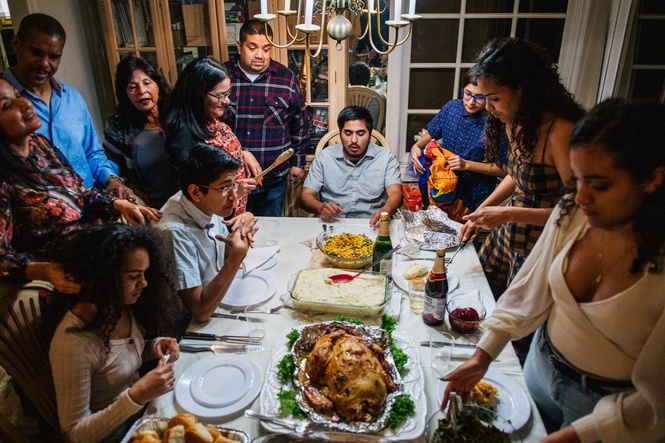
When thinking about the holidays, many focus on food. I have visions of my aunt’s rum cake, my father’s stuffing and my mother’s fluffy Christmas Day pancakes year-round.
Food serves as a powerful connector to friends, family and happy memories, and strengthens traditions, with parents often passing down recipes to their children to use in the decades ahead.
On Thanksgiving, arguably America’s biggest food holiday, people spend an average of 91 minutes eating and drinking — 21 minutes more than on any other holiday or weekend day, according to government data.
The promise of a Thanksgiving feast often sees guests hold off on eating before the main event but there are several reasons you shouldn’t do that, nutrition experts tell The Independent.
For one, it can lead to unsatisfying overeating, Dr. Theresa DeLorenzo, a dietitian and professor at New York’s Russell Sage College, explained.
“Unfortunately, this method usually causes people to get overly hungry, showing up to the holiday meal so hungry that they eat quickly, not slowing down to enjoy and savor the food and then become overstuffed and uncomfortable,” she said.
Sugar highs
Fasting before a big meal sends blood sugar, the body’s main source of energy, plummeting, the Mayo Clinic says.
Drifting blood sugar levels send “signals to your brain that it’s time to eat,” Anne Wilfong, registered dietitian and owner of Wilfong Nutrition in Austin, Texas, says.
“If you go into a holiday meal extremely hungry, you may not feel present. You may be very focused on food, serve yourself larger portions, eat quickly, and end up uncomfortably full,” she told The Independent.
Eating large amounts of food on an empty stomach can also cause a rapid blood sugar surge, leading to a post-meal energy crash, and fatigue, other experts warn.
“For blood sugar, a longer gap followed by a big meal has a greater spike on your glucose levels than eating the same thing by spread out throughout the day,” said Washington-based registered dietitian Katherine Metzelaar.
And it’s not just blood sugar and energy that are affected. Digestion is, too, she said. Eating a big meal after fasting puts the intestines in overdrive, according to the Mayo Clinic.
“For digestion, a bigger meal leaves many people uncomfortable because of things like gas and bloating especially when they haven’t eaten throughout the day,” said Metzelaar.
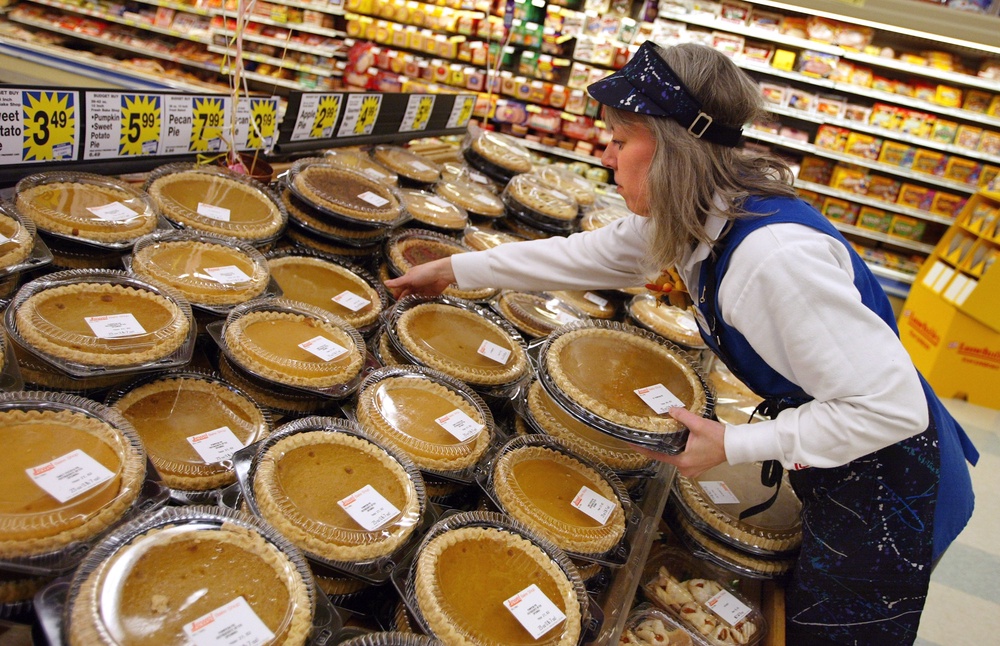
That’s especially the case with richer holiday foods, such as macaroni and cheese or pumpkin pie. Rich foods have proteins and fats that take more time to break down in the digestive tract than fruits and vegetables do, Atlanta medical clinic United Digestive says.
Pack in protein
So, how do you prevent feeling uncomfortable on Thanksgiving?
Stick to your regular eating schedule, DeLorenzo advises.
“If a holiday meal is going to be served at 3 p.m., eat a normal breakfast. Start the day off by boosting your metabolism,” she said.
Wilfong recommends “eating on a loose schedule, about every 3 to 4 hours, before the holiday meal.”
“For most people that means their normal breakfast. If the holiday meal is lunch, it would come about 3 to 4 hours after breakfast. If the holiday meal is dinner, they would have breakfast and lunch first,” she explained.
Even if your big meal is at dinner, you should eat breakfast and lunch - though lunch doesn’t have to be large, Delonzo notes.
“Make a small plate of the appetizers instead of grazing so you can control the amount you are eating more easily. Once you’ve finished the plate you’ve made, assess your hunger/ fullness to decide if you want more of something or if you have the perfect amount of room left for the big meal to come,” she suggests.
What you’re eating matters just as much as when you eat. Protein sources like eggs or nuts or fiber-packed oats and vegetables can help you feel fuller longer, as they take longer to digest, according to Mayo Clinic.
“At each meal or snack before the holiday meal, I recommend including some carbohydrate, protein and fat,” Wilfong added.
Read MoreAvoid washing your turkey and 6 other expert tips for a safe Thanksgiving meal
What to do with Thanksgiving leftovers? The French have a recipe for that
Sick of the same pasta dinner? These three Italian recipes are worth a try
Father and daughter both diagnosed with breast cancer two years apart
How to prepare older relatives for the cold as winter arrives early
The truth about cholesterol – and how it affects your health