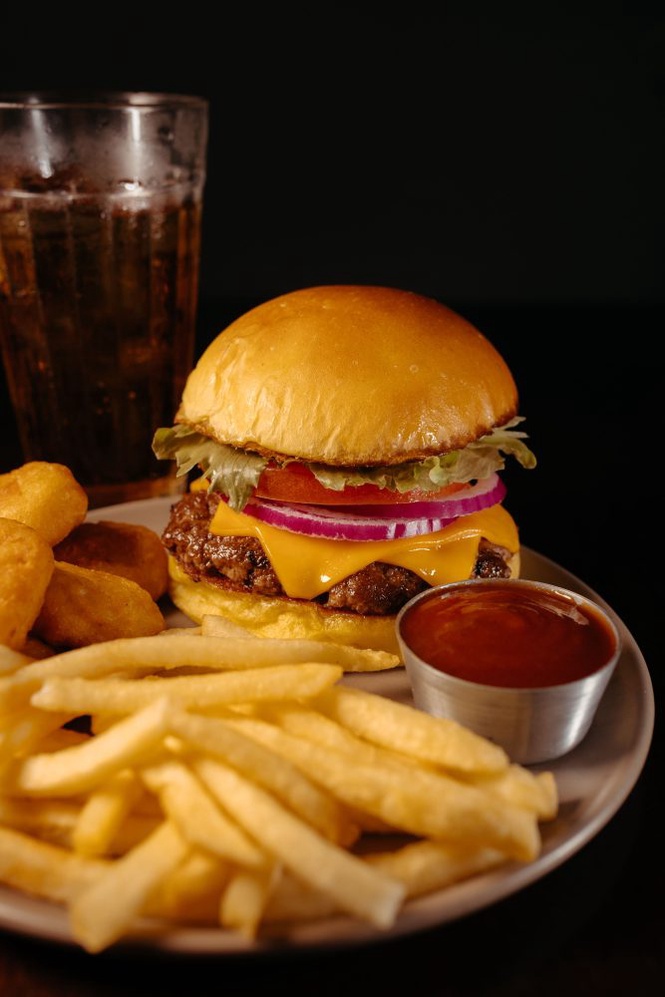
When you’re craving a burger and fries, fast food might seem like the obvious way to save money. But casual-dining restaurants have their own classic burgers, and their prices aren’t always as far apart as customers expect. The difference comes down to more than the number on the menu, including portion size, service, atmosphere, and what comes with the meal.
To compare the two experiences, we’re looking at McDonald’s Quarter Pounder with Cheese and medium fries alongside Applebee’s Classic Cheeseburger and fries. These are comparable orders built around a beef patty, toppings, a bun, and fries. Published menu prices provide a useful snapshot, although they come from different listings rather than a same-city purchase, and actual prices vary by location.
McDonald’s: A Familiar Burger-and-Fries Meal for Less
McDonald’s Quarter Pounder with Cheese is a straightforward fast-food option featuring a quarter-pound beef patty, two slices of American cheese, pickles, onions, ketchup, and mustard on a sesame seed bun. The burger is cooked when ordered, and its familiar toppings make it a practical benchmark for this comparison. Customers can order it on its own and add fries, or choose a meal that includes a drink.
One October 2026 menu listing for a New York McDonald’s showed the Quarter Pounder with Cheese at $5.19. A separate Baltimore-area menu listing priced medium fries at $3.59, putting the two items at approximately $8.78 before tax. These are separate local listings, so the total is an illustrative price comparison rather than a verified checkout total at one restaurant.
Applebee’s: A Sit-Down Cheeseburger With Fries
Applebee’s Classic Cheeseburger takes a similar approach but presents the meal as a casual-dining entrée. The burger includes an all-beef patty, two slices of American cheese, lettuce, tomato, onion, and pickles on a brioche bun. Classic fries are included, so customers don’t have to order the side separately.
Applebee’s current online menu listing shows the Classic Cheeseburger at $13.29, before tax and tip. That is about $4.51 more than the illustrative McDonald’s burger-and-fries total above. However, the Applebee’s price comes from its online menu, while the fast-food figures come from two separate regional listings. The comparison shows the general price gap in these listings, but it should not be mistaken for a controlled, same-location test.
What the Price Difference Actually Gets You
The most obvious difference is the setting. McDonald’s is designed for quick ordering, counter service, drive-through pickup, and getting back to your day. Applebee’s offers a sit-down restaurant environment, where customers can settle in, eat at a table, and receive table service. For some diners, that extra time and service are part of what makes the higher price worthwhile.
The burgers also differ in their toppings and presentation. McDonald’s Quarter Pounder with Cheese keeps things relatively simple, while Applebee’s Classic Cheeseburger adds lettuce and tomato and uses a brioche bun. Those differences can affect the overall eating experience, but they don’t automatically make one burger better. Personal taste, freshness, portion expectations, and the quality of preparation at an individual location all play a role.
Which Restaurant Gives You More Food for the Money?
McDonald’s comes out ahead on the published prices used in this comparison. The burger and medium fries total approximately $8.78 using the two regional menu listings, compared with Applebee’s $13.29 cheeseburger entrée with fries. That gives McDonald’s an illustrative price advantage of about $4.51 before tax, although the figures aren’t from the same market.
The comparison also leaves out drinks because the goal is to compare the burger-and-fries combination. McDonald’s offers a separate meal bundle with a drink, but adding that bundle would change the terms of the comparison. Applebee’s entrée price doesn’t include a beverage, and a drink ordered separately would raise the casual-dining total. Customers should also remember that tax applies at both restaurants and that tipping may add to the cost of table service.
When Fast Food Makes More Sense
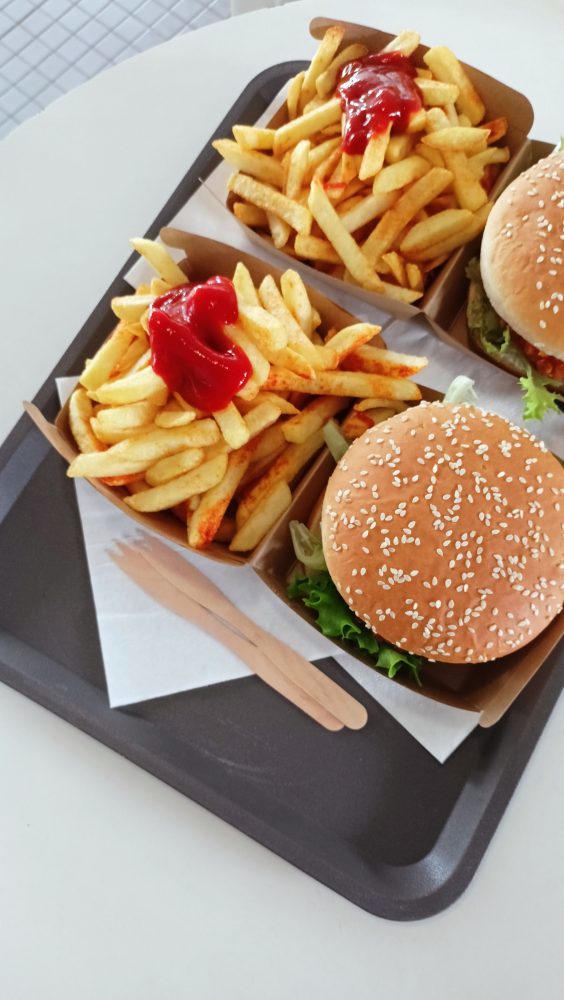
McDonald’s is the more budget-friendly choice for someone who wants a familiar burger and fries without paying for a sit-down dining experience. It can also be more convenient when time is limited or when a customer wants to pick up dinner on the way home. App promotions and meal deals may lower the cost further, but those offers can have eligibility rules and location-specific pricing.
The best way to compare a fast-food deal is to check the final order total rather than rely on a headline price. A bundled meal may be cheaper than purchasing every item separately, but only if the included drink or side is something you actually want. If you are ordering for more than one person, check current app offers and family bundles before placing the order.
When Casual Dining May Be Worth the Extra Cost
Applebee’s may make more sense when the occasion calls for a sit-down meal rather than a quick stop. Its burger comes with fries and a fuller set of toppings, while the restaurant setting gives diners more time to relax. That can be valuable for a casual date, a family meal, or meeting a friend, even when the entrée costs more.
Still, the higher price isn’t automatically a better value. Customers should consider whether they want the additional service and atmosphere or simply want to eat a burger and fries. Applebee’s also runs limited-time promotions, which can narrow the gap on certain days. Its September 2026 National Cheeseburger Day promotion, for example, offered a classic burger or cheeseburger with fries for $8.99 for one day only. That deal has expired, but it illustrates how promotions can temporarily change the comparison.
The Verdict: McDonald’s Wins on Price, Applebee’s Offers a Different Experience
For this burger-and-fries comparison, McDonald’s is the cheaper option based on the menu listings reviewed. Applebee’s costs more, but customers are also paying for a sit-down setting and table service. Whether that difference is worthwhile depends on what they want from dinner, not just the price of the food.
The most useful takeaway is to compare the same items and check current local prices before heading out. Fast food usually has the advantage when the goal is a lower-cost, convenient meal, while casual dining may be worth the extra spending when the experience matters too. A little menu checking can help you decide when to save and when a restaurant meal is worth the splurge.
What To Read Next
9 Fast-Casual Food Trends That Will Change How You Dine Out
8 Casual Eats That Are More Addictive Than Fast Food
Fast Food Isn’t Cheap Anymore — 7 Sit-Down Restaurant Deals That Can Cost Less
Is the Combo Meal Actually Cheaper? We Did the Math at 6 Fast-Food Chains
Aldi vs. Walmart: Where Is a Family Taco Night Cheaper?
The post Fast Food vs. Casual Dining: We Priced the Same Burger-and-Fries Dinner Both Ways appeared first on Grocery Coupon Guide.