.png)
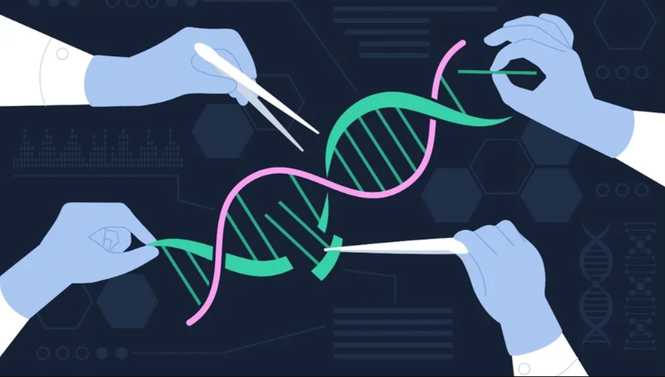
BERLIN - A patient in Germany has been successfully treated with a drug based on the CRISPR gene-editing technology for the first time, the Charité medical school and hospital in Berlin announced on Thursday.
The 19-year-old patient, Mohammad, has the genetic blood disorder beta-thalassaemia and, according to a statement by Charité, is no longer dependent on blood transfusions thanks to the treatment.
"Mohammad's immune system has also regenerated, and he's currently doing really exceptionally well," the statement continued.
The drug, called Casgevy, has been authorised in the European Union since 2024 for the treatment of sickle cell disease and beta-thalassaemia in certain patients aged 12 and over.
Both of these genetic blood disorders are caused by defects in the haemoglobin gene. This is an iron-containing protein complex found in red blood cells that serves to transport oxygen.
Symptoms of beta-thalassaemia include severe fatigue, pain, impairments in physical and cognitive development, and iron overload, which can damage the organs. Around 60,000 children are born worldwide every year with severe beta-thalassaemia.
To survive, affected children require blood transfusions every three weeks. However, these can have serious side effects in the long term.
A stem cell transplant can cure the disease, but the patient cannot be older than around 14 years of age, making Mohammad too old for the treatment.
As an alternative, he was administered the CRISPR-based drug Exagamglogene Autotemcel for the first time at Charité in May 2026. The treatment lasts for around 12 months.
The developers of the method, Emmanuelle Charpentier and Jennifer Doudna, were awarded the Nobel Prize for their work in 2020.
Some experts have reservations about the therapy, which is extremely complex and will only be available to a limited number of patients. - BERNAMA