Many British households are making several common mistakes when it comes to keeping their home warm – mistakes that could add hundreds of pounds a year to their energy bills.
Savings are now more important than ever, after the Wednesday announcement that regulator Ofgem will raise the energy bill price cap by 26 per cent from the start of 2027.
British Gas smart energy engineer Jessica Rawstron shared some common mistakes she often sees while out on the job.
“Every winter, we see lots of households unknowingly waste energy, and risk issues such as boiler breakdowns by making simple heating mistakes. Being aware of these common errors, and avoiding them, can make a real difference with your energy bills,” Rawstron said.
Rawstron highlighted that these frequent mistakes cause people to essentially throw money away on their energy bills every month.
1. Thermostat problems
Ben Gallizzi, an energy specialist at Uswitch.com, told Bristol Live, the placement of the thermostat was of utmost importance.
"Placing it in a room that is colder than the rest of the house, such as a hallway, is a bad idea as it will turn on and off at the wrong times,” he said.
"For example, if you open the front door and let in cold air, then the thermostat may tell your heating system to send out more heat as it thinks the whole house is below your desired temperature."
People also made the mistake of having their thermostat too high.
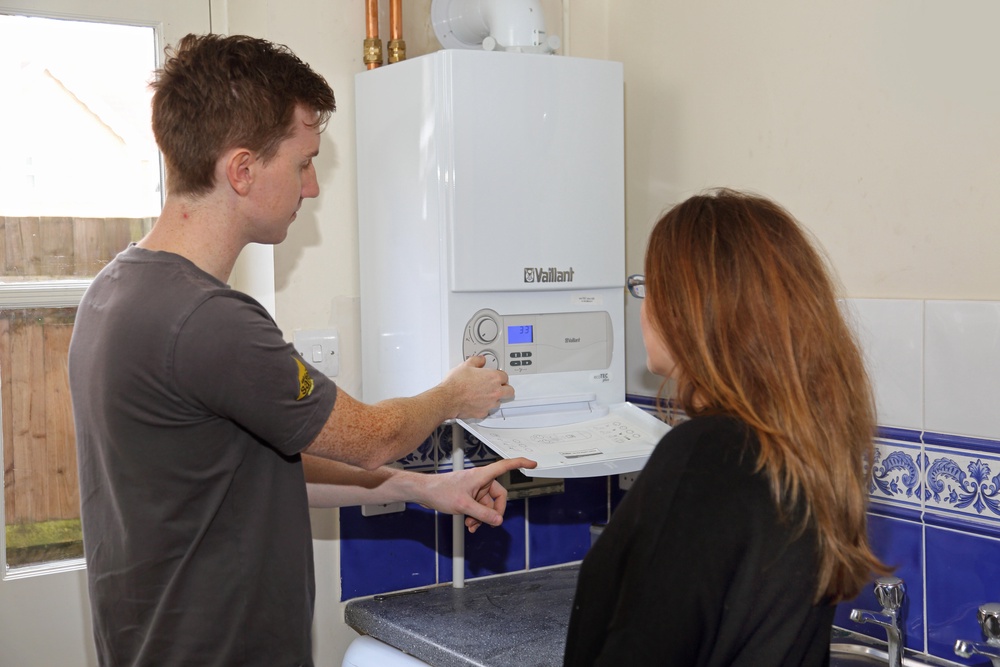
On frosty mornings and chilly nights, it can be particularly tempting to really ramp up the heating to a high temperature, Rawstron said.
Instead, she suggested setting the main thermostat to between 18C and 21C, and popping on some extra layers if you’re still feeling the cold, to save on heating bills.
According to calculations from British Gas, for an average household, lowering the thermostat temperature by just one degree could save around £115 a year.
2. Having the boiler flow temperature too high
Rawstron explained that, in the same vein as having the thermostat set too high, the boiler’s flow temperature is another setting that could be costing some households. This is the temperature that the boiler heats water to before it reaches your radiators.
According to British Gas calculations, some households could potentially keep around £65 in their pockets annually by making sure the boiler flow temperature is set between 55-60C, to help with optimum efficiency.
“Altering the temperature on a conventional boiler with a hot water cylinder involves adjusting one dial,” Rawstron said.
“With a combination boiler with no hot water cylinder, there will be two dials, one for radiators and another for hot water. It’s the radiator setting you’ll need to change.”
3. Not making the most of smart technology
“Each winter, we see thousands of people miss out on big savings by not investing in smart technology for their home,” Rawstron said.
Smart thermostats can allow homeowners to set energy-saving schedules and alerts for if they leave the heating on when they’re not at home.
British Gas estimated that some homeowners could save as much as £175 per year on their heating bill.
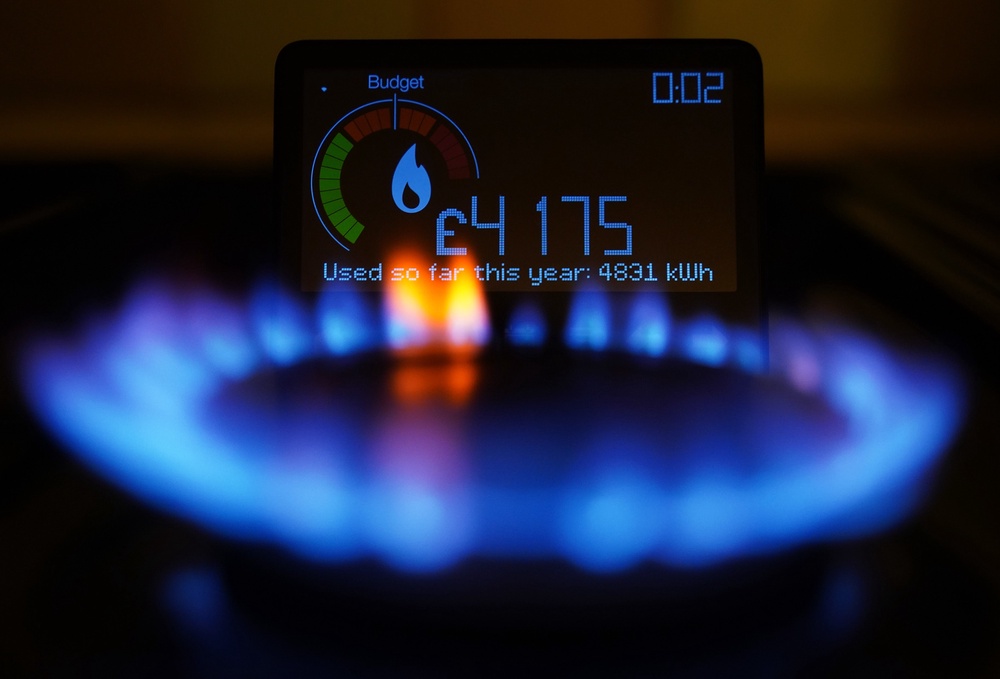
“Once you’ve invested in the tech, make sure to position it in the right location to maximise savings,” Rawstron said.
Good places to do this include the interior wall in either the hallway or in the living room, she added.
”You should also avoid putting the thermostat too close to a radiator, direct sunlight or any draughts, as these can skew the temperature readings and lead to the thermostat under or overheating your home,” Rawstron said.
4. Leaving hot water tanks without insulation.
Every penny counts, especially during the colder months, and if your home has a hot water tank, not insulating it can add around £50 onto a household’s energy bill a year, according to the calculations from British Gas.
“It’s a quick and simple fix, with insulated jackets available online and from most DIY stores,” Rawstron said.
“Once fitted to the tank, the jacket will work to prevent heat loss, using less energy and money to keep the water warm.”
5. ‘Welcoming’ in the cold without realising
While you may not be leaving doors and windows wide open in the middle of winter, there are other, less obvious ways that the cold can creep in.
The escape of warmth not only makes your home less energy-efficient but it can also end up pulling on your purse strings.
Draught-proofing around your windows and doors could potentially help a household to save around £60 per year alone, according to British Gas calculations.

Luckily too, there are some simple ways to fix these invisible ways that money is “leaking” out of the home.
“Self-adhesive foam strips are easy to fit on windows to prevent draughts, while draught excluders are perfect if there’s a gap between your door and the floor,” Rawstron said.
Cold air can enter the home through the tiniest of gaps, and keyholes and letterboxes can also be culprits.
“Keyhole covers and letterbox brush strips are cheap to buy, quick and easy to fit and will stop those draughts,” Rawstron said.
In addition to Rawstron’s tips, you may also want to consider the floor you’re standing on.
The Energy Saving Trust says that insulating the ground floor can be a great way to help keep a property warm.
The Trust also suggests considering insulating any floors that sit above unheated spaces, such as garages.
Hopefully that way you can avoid your money ‘escaping’ along with the warm air.
People struggling with their bills should contact their provider and debt support charities can also help.
Read MoreThe UK is set for an ‘early’ winter. Here’s how to keep your home warm for less
What stores are open on Thanksgiving? US retailers confirm holiday hours
Meet the Nirps*: The young people not in relationships, or having any sex
Brits are having less sex – and one age group is driving the trend
Breakthrough Alzheimer’s drug targeting tau protein slows cognitive decline in trial