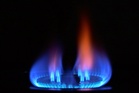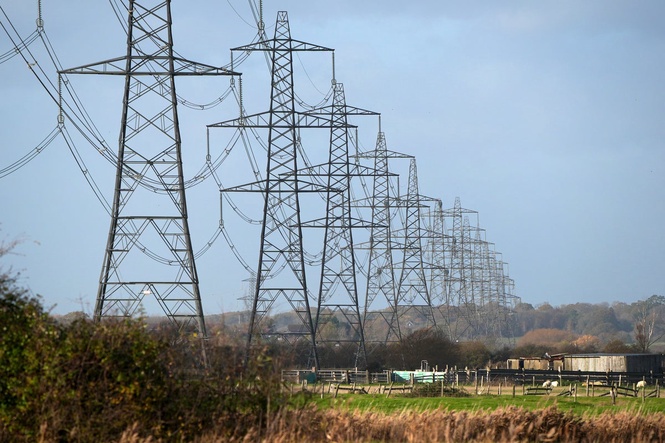
The energy price cap is set to jump by 26 per cent from 1 January 2027 for households in England, Scotland and Wales, the energy regulator has said.
Ofgem said the price cap will rise by £443 per year, meaning an increase in annual bills from £1,723 to £2,166 if this level was sustained for a year.
The regulator said the ongoing conflict in Iran and the Middle East was the “primary driver” for the wild fluctuations in oil and gas prices which have intensified the cost of living crisis across the world.
Wholesale prices have since eased back, leading to a reduction in petrol prices, but this came too late to affect the calculation for the new Ofgem price cap.
“What I can't control are wars in the Middle East that we weren't a part of, which impact families here,” said energy secretary Miatta Fahnbulleh when the price cap increased by four per cent in August.
Analysts say that although prices first started rising in August 2021 - when rumours began strengthening that Moscow was preparing an invasion of Ukraine - developments in the Middle East in the past year have seen them skyrocket.
“The markets are constantly reacting to uncertainty, and over the past six years there’s been so much of that,” says Jess Ralston, head of energy at the Energy and Climate Intelligence Unit (ECIU).
“We've had one thing after another, and markets just take that sort of uncertainty and price that in - because they don't know where the next barrel is going to come from.”
The Independent looks at how developments thousands of miles away have lead to spiralling energy costs in the UK.
28 February: US and Israel launch war on Iran before Strait of Hormuz blockaded
The beginning of the war sparked a huge crisis in oil and gas prices, sending them rocketing to levels not seen since early on in Russia’s invasion of Ukraine.
Ms Ralston says prices did fall slightly after the Russian invasion but “never returned to pre-crisis levels”.
“So they remained inflated even after that initial huge spike had ended, and then you had Trump going to war in Iran, spilling out into conflict in the wider Middle East,” she says.
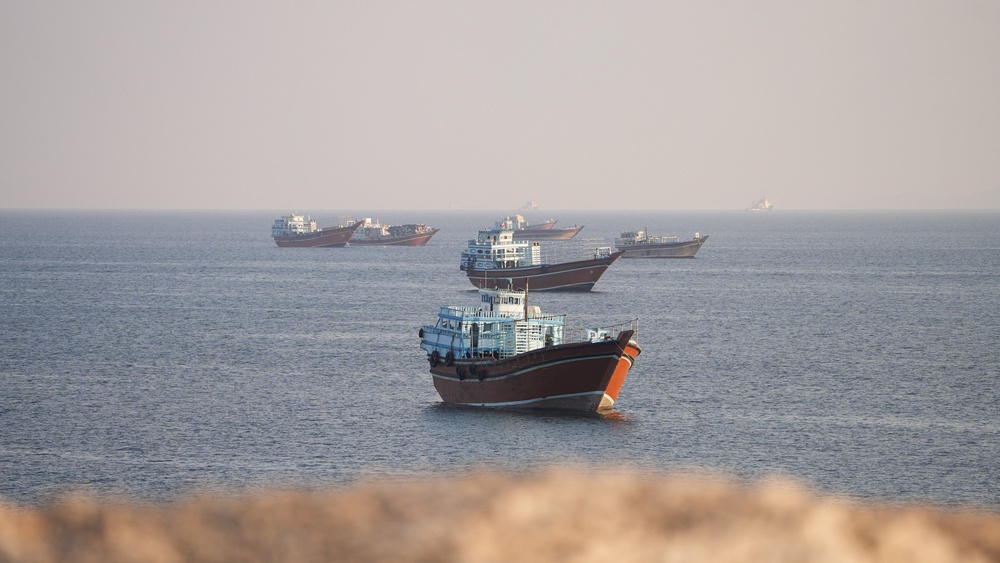
The day after Trump’s war on Iran began, Iranian forces imposed a blockade on the Strait of Hormuz, the chokepoint through which one-fifth of the world’s crude oil and liquefied natural gas (LNG) passed during peace time.
Within ten days the price of Brent crude, the international benchmark, had shot up from $73 a barrel to $99. Three weeks after the war was launched, it hit $112.
Since then, as the war has entered a state of limbo with both sides exchanging limited strikes, oil and gas prices have been hugely volatile.
In the continued absence of a peace deal, the UK’s energy price cap jumped from £1,641 in the second quarter of 2026 to £2,166 for the first quarter of 2027.
March: Tit-for-tat strikes on gas facilities in the Middle East
Nearly three weeks into the war, Israel launched a series of strikes on Iran’s major South Pars gas field and other petrochemical facilities around Asaluyeh.
The attack hit gas treatment, refining and petrochemical infrastructure, damaging four gas-processing plants and reportedly halting around 100 million cubic meters of gas each day, equating to around roughly 12 per cent of Iran's total gas output.
Iran responded with heavy strikes on Qatar’s LNG facilities, inflicting heavy damage and wiping out 17 per cent of the country’s LNG capacity for up to five years.
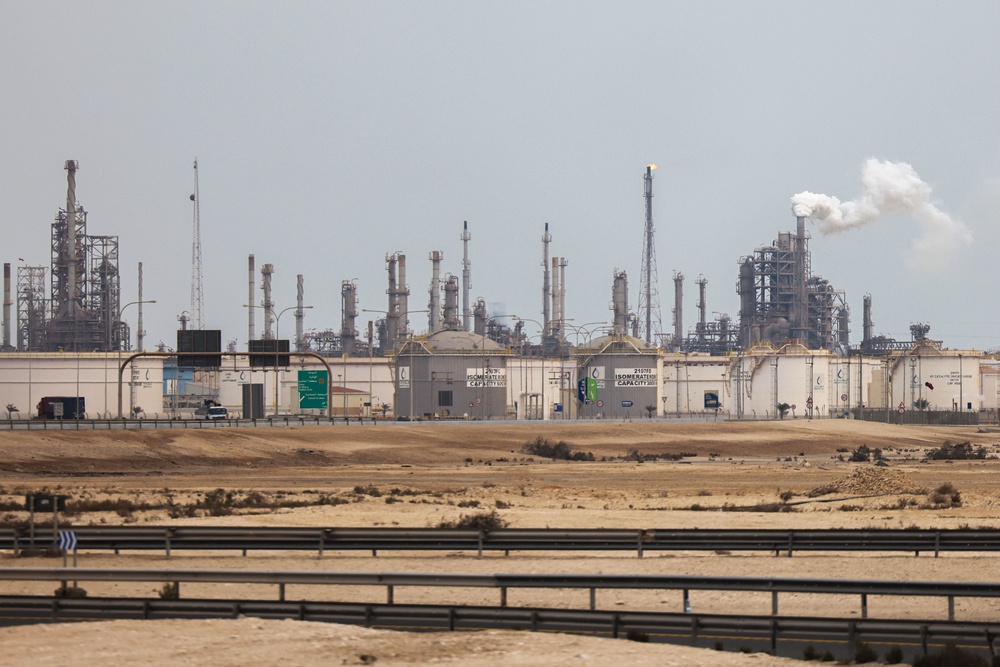
Qatar exports around 77 million tonnes of LNG annually, which is around one fifth of the global supply. Although it makes up a small share of overall gas supply, the UK imports around 6 per cent of its LNG imports from Qatar, as of 2025.
For the UK in particular, which relies heavily on gas, the impact of war in the Middle East on the LNG trade - especially following years of chaos following Russia’s invasion of Ukraine - has been severe, says Ms Ralston.
“Many of our homes being reliant on gas boilers is a large part of the reason that we're so exposed to these volatile spikes,” she says, adding that 85 per cent of homes in the UK use gas boilers.
“As we head into winter, we don't have very much gas storage anywhere in the UK, but across Europe, gas storage is quite low. That's because prices have been so high over the summer.”
The UK gets most of its gas from the North Sea and Norway - however North Sea gas is owned by “huge multinational corporations” meaning the UK has to pay the usual market rate for this gas.
Late March: Ukraine begins striking Russia’s Baltic Oil hubs
Ukraine’s intensified attacks on Russian energy infrastructure, as it sought to inflict damage to its wartime economy, had a significant effect on Russian exports.
In late March, Kyiv ramped up strikes on Russia’s Baltic oil export hubs, including the Ust-Luga oil terminal five times in 10 days.
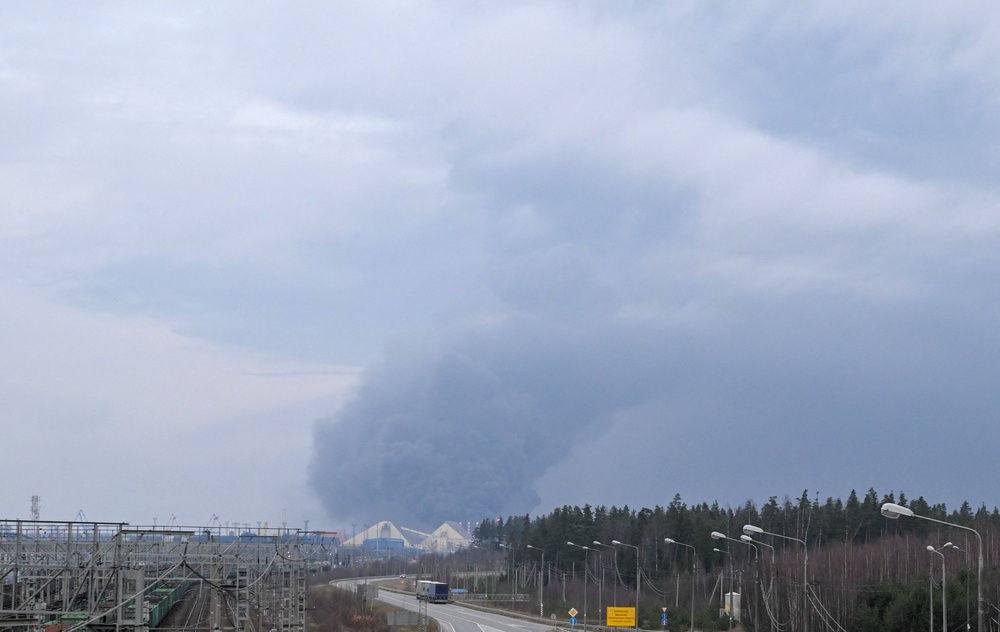
The Primorsk terminal, which like Ust-Luga, is located near St Petersburg, was also targeted in the intensifying strikes. The two hubs usually handle 42 per cent of Russian seaborn oil exports.
Alone, the strikes did not have a huge impact on global crude prices. But they preceded a much more widespread, intense Ukrainian campaign against Russian oil refineries which is ongoing as of November.
April onwards: Ukraine intensifies strikes on Russian oil refineries
Waves of attacks on Russian refineries over summer even led to a domestic fuel crisis in the country, forcing several regions to impose petrol and diesel rationing.
In June 2026, Russian oil refinery dropped by 30 per cent compared to what it had been a year earlier, and its lowest point in 20 years. Gasoline output also dropped by 20 per cent compared to 2025 levels, while diesel production dropped by 30 per cent.
The International energy Agency (IEA) says the sharp fall in diesel output contribute to “severe pressures facing international middle distillate markets”.
Ms Ralston explains that the markets are “constantly to what they see and hear in the news and global events”.
Ukrainian attacks on energy infrastructure have had an impact on oil and gas prices worldwide, because of the impact it has had on global supply.
The attacks have once again been intensifying as of autumn 2026, with 15 Russian refineries attacked on November.
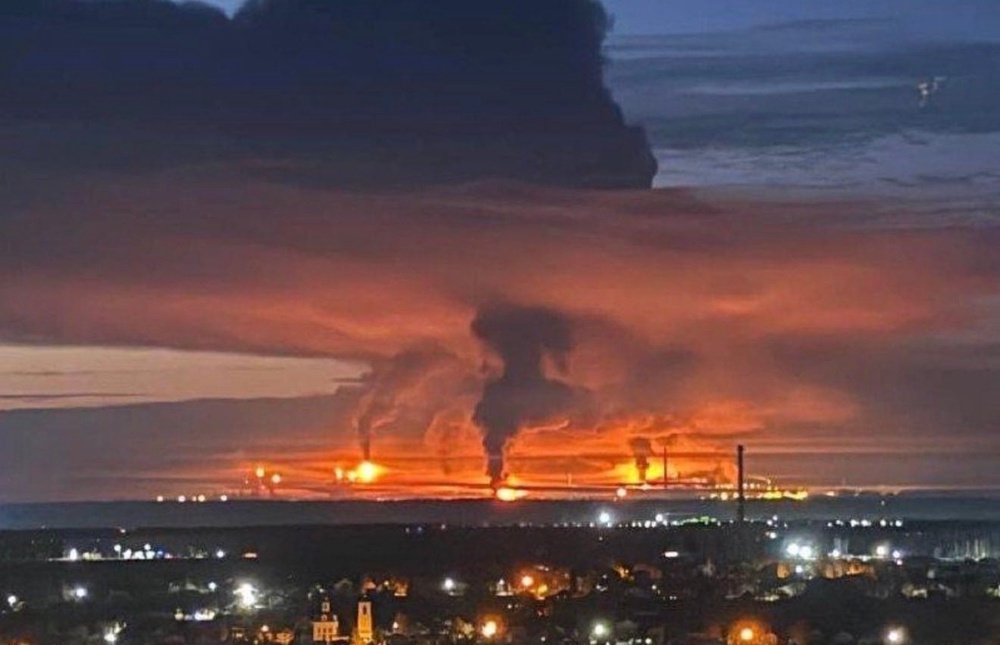
“Despite what Europe and the UK have done to end buying Russian oil and gas, obviously when those those pieces of infrastructure are attacked, then there's less global supply,” she says.
“So we're competing with the likes of China and India, who still get Russian oil or gas, for less supply.”
September: Houthi drones strike Saudi Arabia’s east-west pipeline
In September, the Houthi militants scaled up attacks on Saudi Arabia’s key east-west pipeline to the Red Sea, which has been important in mitigating the impact of the shutdown of the Strait of Hormuz.
During the two months since, the Houthis have continued targeting the pipeline and other oil refineries in Saudi Arabia.
On Wednesday, the Houthis said they had attacked Saudi Arabia’s Ras Tanura oil refinery, the kingdom’s largest and a major export terminal for Saudi crude. Yahya Saree, the group’s military spokesperson, said the attacks had sparked fires.
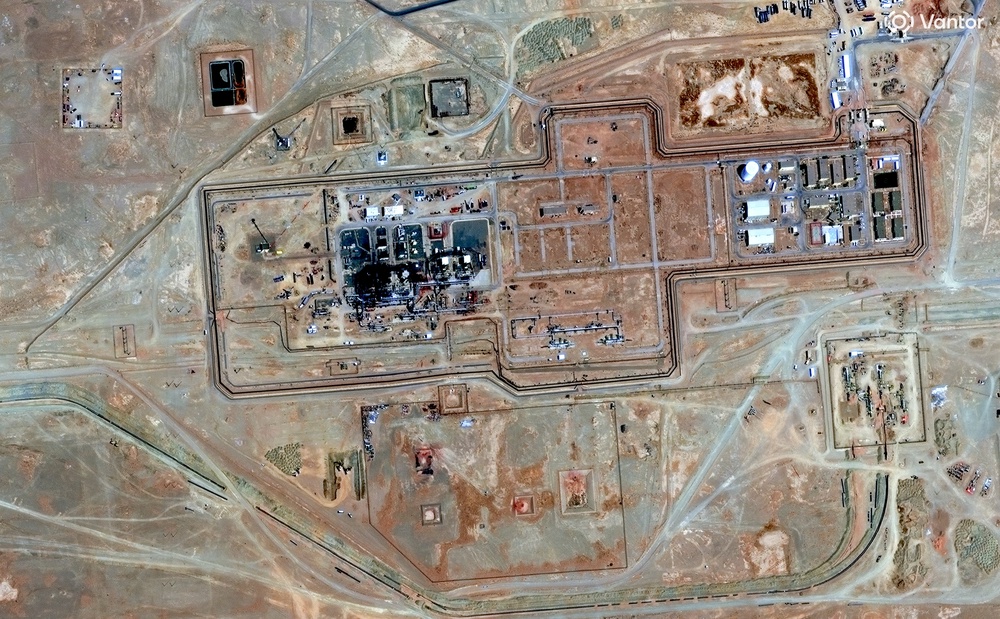
Since oil flow disruption began, Riyadh has rerouted about 4 million barrels of crude per day via the East-West pipeline to Yanbu, equivalent to about 4 per cent of global supply.
But attacks in recent months, which came amid fighting between the militant group and the Saudi-led coalition backing Yemen's internationally recognised government, have damaged attempts to address
Ms Ralston said attacks on Saudi pipelines was among the “huge combination of different things that all happened and sent prices rising” in the Middle East.
Read MoreOctopus Energy boss says price cap surge ‘heavy blow’ for struggling families
‘I’m a pensioner with bronchitis – I can’t afford to keep the heating on this winter’
EasyJet boss ‘wouldn’t be surprised’ if airlines went bust amid fuel cost crisis
Why are energy bills going up and what can I do about it?
Households face ‘nightmare before Christmas’ as energy bills to soar 26%
A timeline of key events in Kilmar Ábrego García's fight with the Trump administration