PRESIDENT Ferdinand Marcos Jr. disclosed that the Philippines is pursuing a possible long-term rice supply arrangement with Vietnam, as he assured Filipinos that the country has a sufficient food supply.
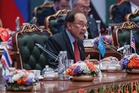
The president shared the information over the weekend during a Kapihan with the media following his participation in the 18th Brics Summit in New Delhi, India.
He said the issue was discussed during a 20-minute bilateral meeting with the Vietnamese leader on the sidelines of the Brics gathering, with the talks covering rice imports, pricing and the possibility of a long-term contract.
“We talked about rice and rice importation and a long-term contract. We talked about pricing. We’ve been talking about this for a long time,” the president said.
He said that the administration wanted to ensure stable supplies and lower food prices for Filipino consumers to cushion households from the economic fallout of the continuing war in the Middle East, particularly higher oil and commodity prices.
The chief executive said that ensuring an adequate food supply is part of the administration’s strategy to prevent the Middle East conflict from disrupting the daily lives of Filipinos.
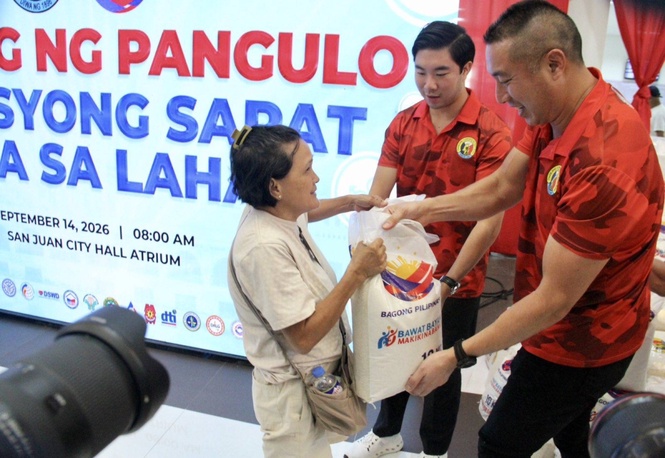
“I am so concerned that the food prices have to come down, and we’re trying to do everything. And we continue to extend assistance to the needy so that they have something to eat,” Marcos said.
The president said geopolitical tensions continue to disrupt energy markets and global supply chains.
“There are certain things that you cannot control, you have no influence over, such as the war in Iran and the volatility of the prices of oil. You can, however, do something about food,” the president said.
Marcos also credited local government units for helping the national government deliver assistance to communities, particularly during emergencies and periods of economic difficulty.
“Everybody is pitching in. It’s always become very much a whole government approach,” the president said.
He said the closer coordination between the national and local governments has strengthened the government’s capacity to reach vulnerable Filipinos and maintain assistance as external economic pressures persist.