.jpg)
By Mihar Dias (C) Copyright September 2024
Kai, 101, moved into a condo overlooking the King's palace with his 90-year-old wife, Naz. After nearly seventy years of marriage, their bond was as strong as ever. Kai’s face lit up with childlike enthusiasm when we visited them just days after their move in mid-May 2023. He held both thumbs up in the air, a triumphant grin on his face.
"By the grace of Allah, I am able to enjoy this luxury apartment late in life. Thank you!" he exclaimed, his voice full of gratitude and wonder.
Their new home was a far cry from the fire department barracks where they had spent most of their lives. For decades, Kai worked as a firefighter, and he and Naz raised their four children in those modest quarters. It was a life of simplicity, routine, and sacrifice. Yet, despite the challenges, their family thrived.
But life had not been without its heartaches. They had lost their youngest child just a year before, a bitter reminder of how cruel the world could be. The move to the condo was an attempt to create a haven for Kai and Naz in their twilight years, something their daughter and younger son insisted upon. They wanted their parents to have comfort, a semblance of peace, in these final chapters of their lives.
The condo in KL seemed like the perfect solution—a fresh start, far from the lingering pain of loss, yet close enough to the children who still doted on them. Kai and Naz had been adamant that they would prefer to live here rather than move in with their eldest son in Putrajaya. The relationship with him had grown strained over the years, a rift caused partly by the outspoken nature of his wife which led to misunderstanding between the three siblings.
So it was the younger siblings who visited daily, bringing food and laughter. Despite their advancing years, Kai and Naz often insisted on cooking their meals, savouring the simple joy of preparing food together, something they had done for decades. On days when their health required it, the siblings would take them to see their family doctor or the nearby hospital. Even when Naz needed to see a specialist in Putrajaya, the two younger ones would handle it themselves, without ever informing their elder brother. They had come to accept that he had distanced himself, unwilling to extend a hand in caring for their parents.
Then, one night, Naz fell ill. She struggled to breathe, and the daughter rushed her to Kuala Lumpur Hospital. The doctors immediately admitted her to an isolation ward, where she remained for a week, cut off from her family. It was a difficult time for them all, but when she was finally moved to a regular ward, it felt like a small victory.
Naz, despite her frailty, requested to be transferred to a first-class ward, a privilege she was entitled to as the wife of a retired senior civil servant. But there was a catch—someone needed to stay with her. Naz had never liked being alone, especially at night. So her daughter, ever dutiful, slept on the cold hospital floor beside her mother’s bed, sacrificing her own comfort to give Naz a sense of security.
After two nights, however, Naz grew restless. The quiet solitude of the first-class ward began to feel too isolating. She asked to be moved to a second-class ward, where the presence of other patients would offer some comfort. But the noise and constant stream of visitors soon overwhelmed her, and she longed for the peace of the first-class ward again.
The daughter, now exhausted and emotionally frayed, managed to find a maid to stay with Naz, hoping this would provide some relief. For a brief moment, things seemed to settle into place. But on the weekend, Naz’s condition took a sharp turn for the worse. The pain in her lungs became unbearable, and her breathing grew laboured.
The daughter rushed to the hospital as fast as she could, her heart pounding with fear. But as she neared her mother's room, she was met with devastating news: Naz had passed away just a minute before she arrived.
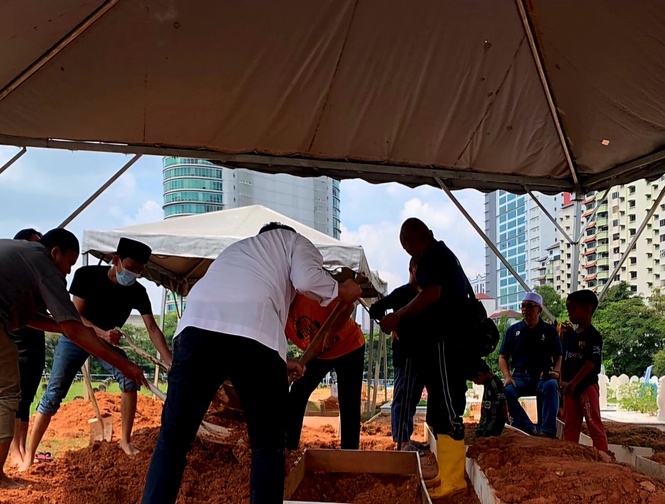
The funeral was a tense affair. Grief mixed with old resentments, and the fragile peace that had existed within the family shattered. The elder brother, who had remained distant for so long, suddenly erupted in anger, accusing his sister of letting their mother die alone. His words cut deep, further widening the rift between them.
Now, the family is bitter towards one another, the blame and pain festering like an open wound. Kai, who had once looked so hopeful in his new home, now sits quietly by the window, staring out at the palace. The luxury of the condo feels hollow without Naz by his side. He is left with the memories of a long life, filled with love, loss, and the sharp ache of unresolved family tensions.
Time moves forward, but the family remains fractured, each of them carrying the weight of what was said, and what was left unsaid.
Mihar Dias is a content creator under the Newswav Creator programme, where you get to express yourself, be a citizen journalist, and at the same time monetize your content & reach millions of users on Newswav. Log in to creator.newswav.com and become a Newswav Creator now!
The User Content (as defined on Newswav Terms of Use) above including the views expressed and media (pictures, videos, citations etc) were submitted & posted by the author. Newswav is solely an aggregation platform that hosts the User Content. If you have any questions about the content, copyright or other issues of the work, please contact Newswav.

