
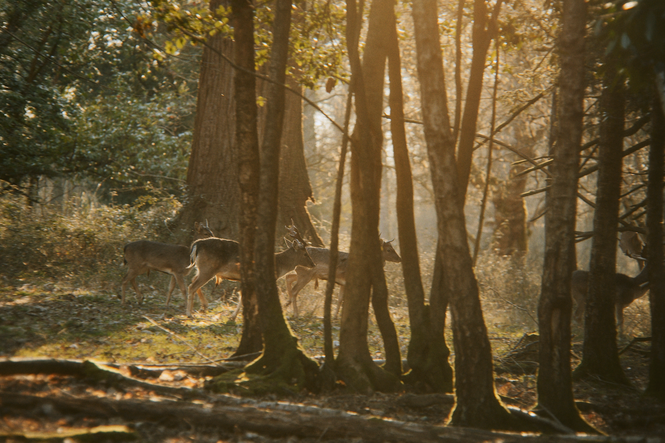
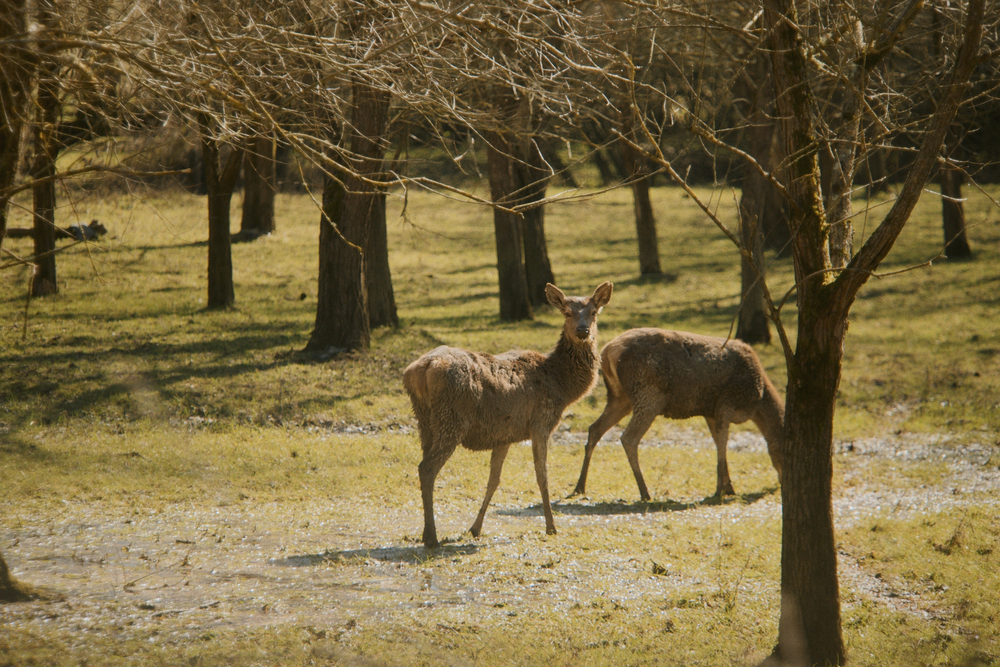
Britain's woodlands are facing an unlikely threat. One of our most recognisable and admired wild animals, are putting increasing pressure on the landscapes they inhabit. With few natural predators to keep their numbers in check, the growing deer population are browsing young trees, stripping away vegetation and preventing woodland from regenerating naturally. The consequences extend far beyond the trees themselves, affecting the plants, insects, birds and other wildlife that depend on healthy, diverse habitats.
We have become accustomed to thinking that protecting nature means leaving it untouched, yet in a landscape altered by human activity, sometimes intervention is essential. Carefully managed deer populations can give woodlands the opportunity to recover, allowing new growth and creating the conditions for biodiversity to flourish.
But what happens to the animals removed as part of that management? While venison can enter the food chain, their skins have often been treated as waste. Now, a British tannery and a Norfolk design studio are demonstrating how a material that might otherwise be discarded can become something valuable, beautiful and enduring.
Their collaboration raises a provocative question: what if taking something from nature could, under the right circumstances, be part of protecting it?
When extraction becomes regeneration
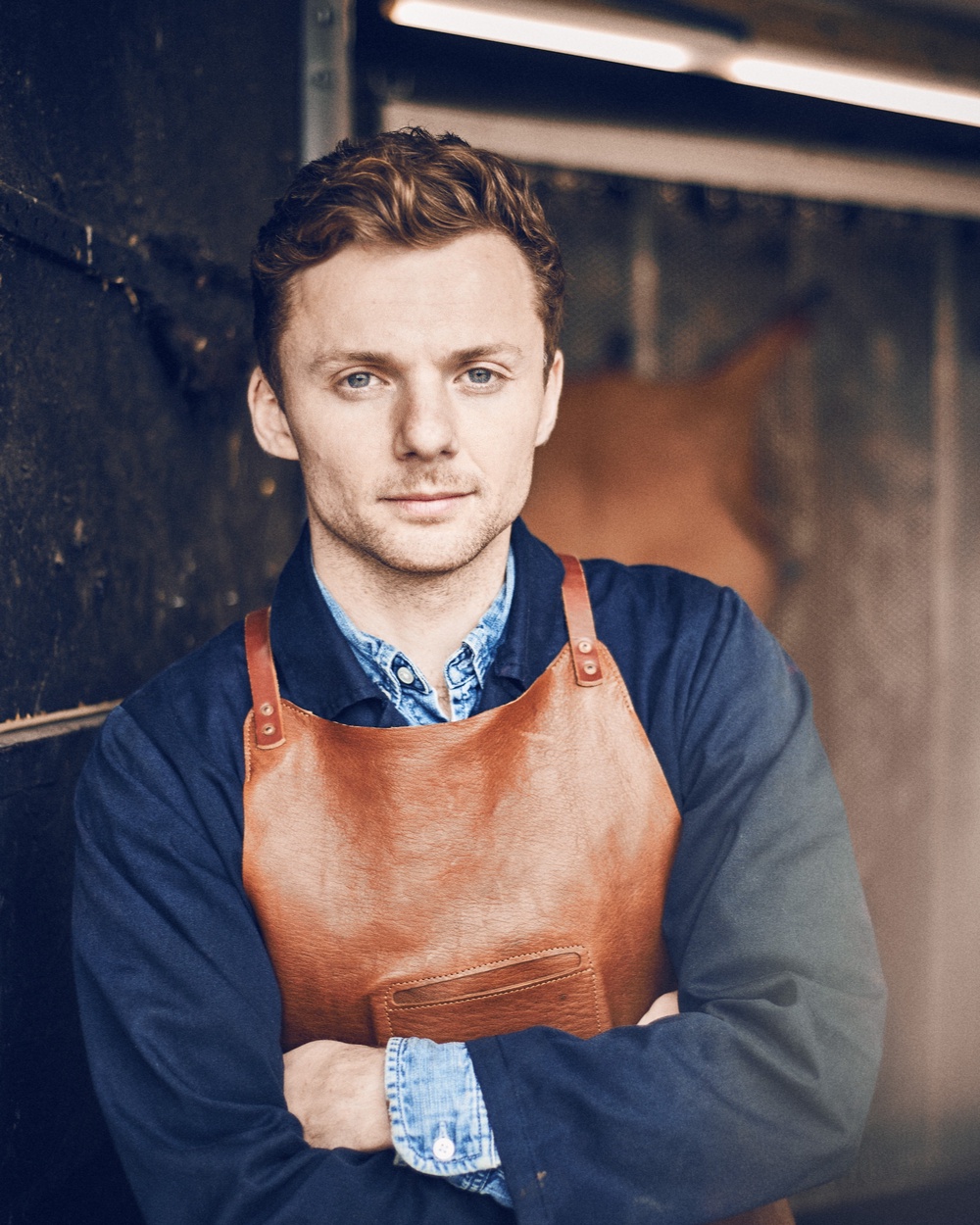
Jack Millington, founder of Billy Tannery, understands the relationship between agriculture, materials and design better than most. Growing up on a dairy farm in the Midlands, his father ran the farm, his mother a successful interior designer, he was surrounded by two seemingly contradictory worlds.
After studying marketing and spending much of his twenties working in advertising in London's Soho, he found himself increasingly drawn back to the practical realities of making things.
His interest in leather began while helping his father with a goat meat business. Discovering that the goatskins were largely going to waste, he began investigating whether they could be transformed into something useful. The result was Billy Tannery, a small-scale British tannery bringing value back to an overlooked agricultural by-product.
It wasn't long before another problem emerged.
"In recent times the deer population has grown massively. The numbers are a little disputed but there are millions of deer in the UK now, probably four times as many as there were historically."
Without natural population controls across much of Britain, deer management has become an important part of woodland conservation. Yet the system depends on stalkers, game dealers and a market for wild venison, all vulnerable to changing demand.
During the pandemic, when restaurants closed and the market for venison collapsed, that fragile relationship was exposed.
For Millington, the opportunity was to address another part of the problem: the skins left behind.
"What normally happens is that people have to pay a food waste business to come and take the skins away. So it ends up being a cost to them, which seems pretty crazy when the skins have a value if they're managed in the right way. That's where we're trying to get involved."
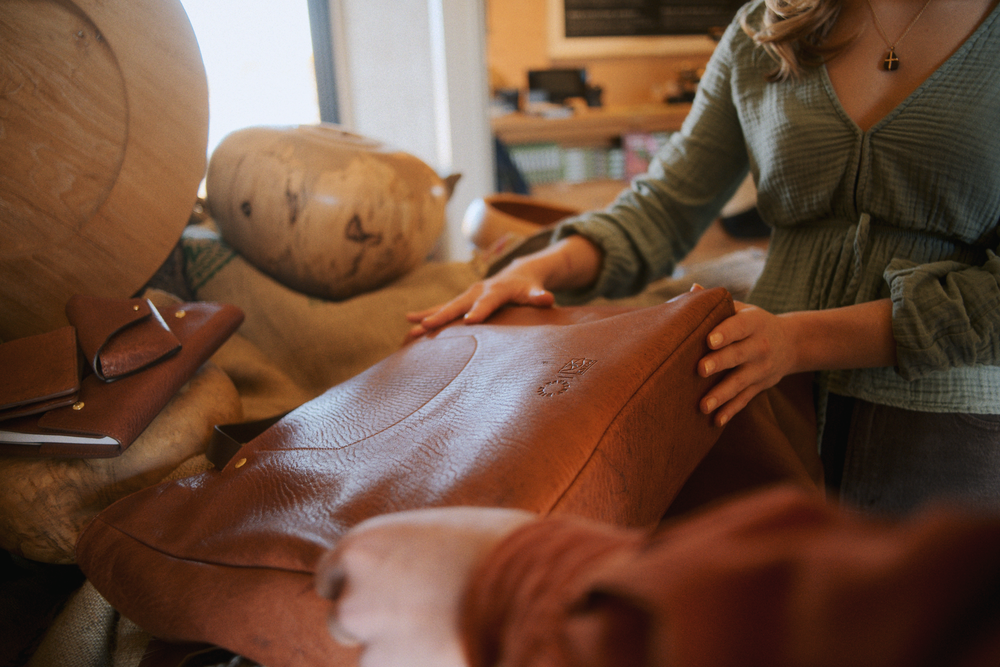
Not every skin is suitable for leather, but those that are can be transformed into a durable material with a far longer life than the waste stream they would otherwise enter.
"The collaboration with OTZI revealed a very similar story in woodland management: managing the trees as well as the deer. Wild deer leather is one of the few examples where the extraction of the material is the positive part. It's similar to coppicing in woods, where trees are regularly cut down to allow the whole woodland to flourish."
It is an important distinction. The environmental benefit comes from responsible land management, not simply from producing more leather. The material becomes valuable because it makes use of an intervention already needed to support the ecosystem.
From British woodland to contemporary luxury
For OTZI, founded by Otis and Isabelle Ingrams, the story of a material is as important as its appearance.
Based in Norwich, the studio creates high-end furniture and interior objects rooted in traditional craftsmanship, natural materials and longevity.
The relationship with Billy Tannery stretches back to its earliest days, when Otis designed the tannery's original chef's apron. As Millington began developing wild deerskin leather, the collaboration evolved naturally.
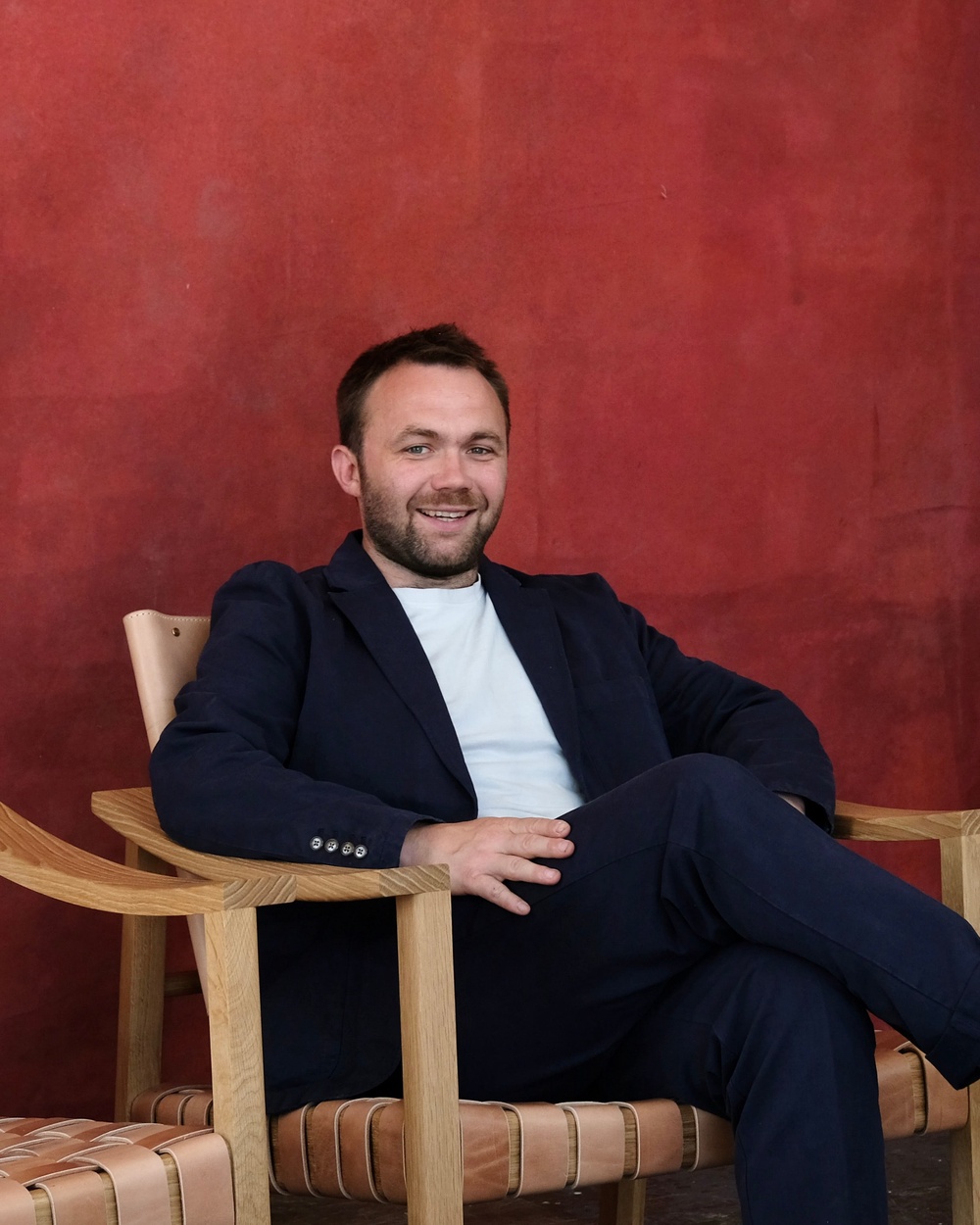
"I think the fact that it's an ancient material that has been in use for thousands of years immediately draws you towards it. There was an infrastructure for it at some point, which has long disappeared."
For Otis, bringing deerskin into contemporary interiors was an opportunity to reconnect design with a material that had largely disappeared from British production.
At Decorex, the studio presented a daybed upholstered in approximately 12 to 14 deerskins. Its scale challenged assumptions about the limitations of smaller hides, while inviting visitors to touch, sit and engage with the material.
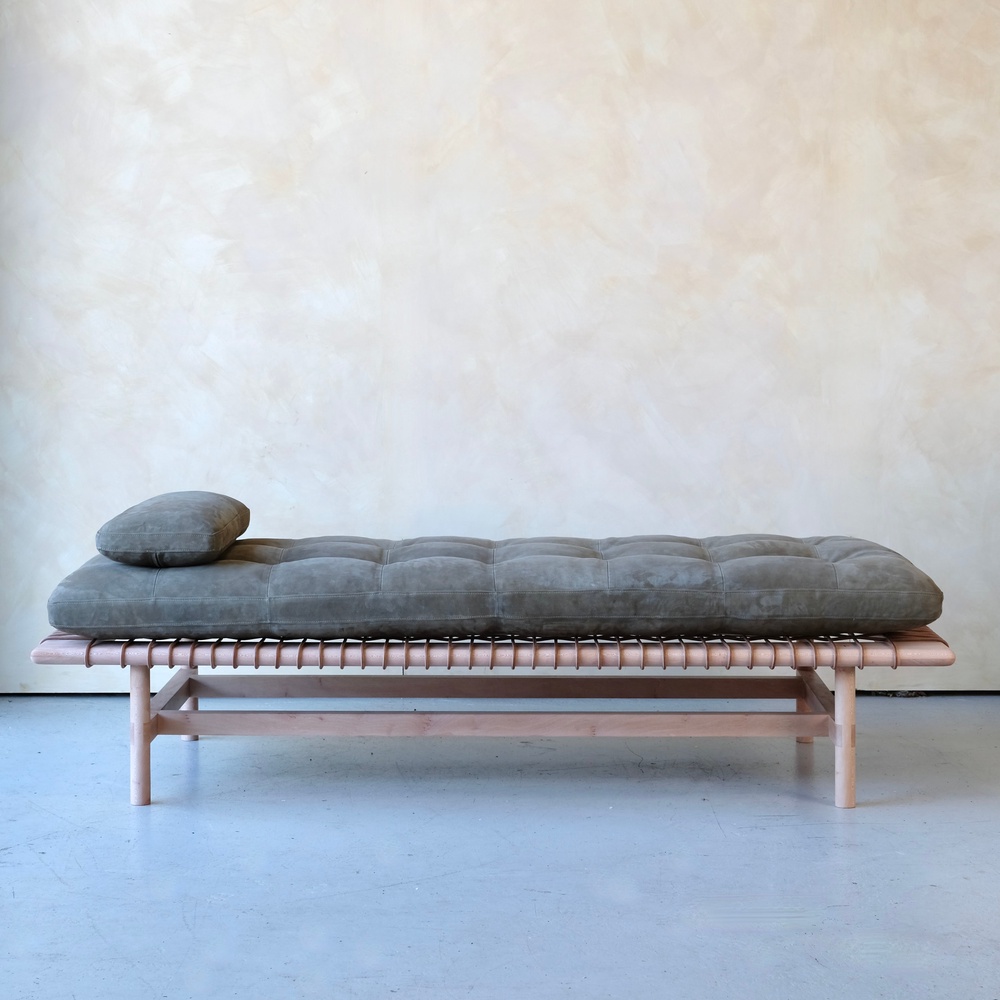
The resulting object was more than a piece of luxury furniture. It opened a conversation about where materials originate, how landscapes are managed and the value of keeping traditional skills alive.
As Isabelle explains, durability is central to their approach.
"If you combine that with the craftsmanship, what we're aiming for is pieces that are going to last a very long time and that you use a lot. We select materials specifically for their quality, how they'll patina over time and how they'll respond to use."
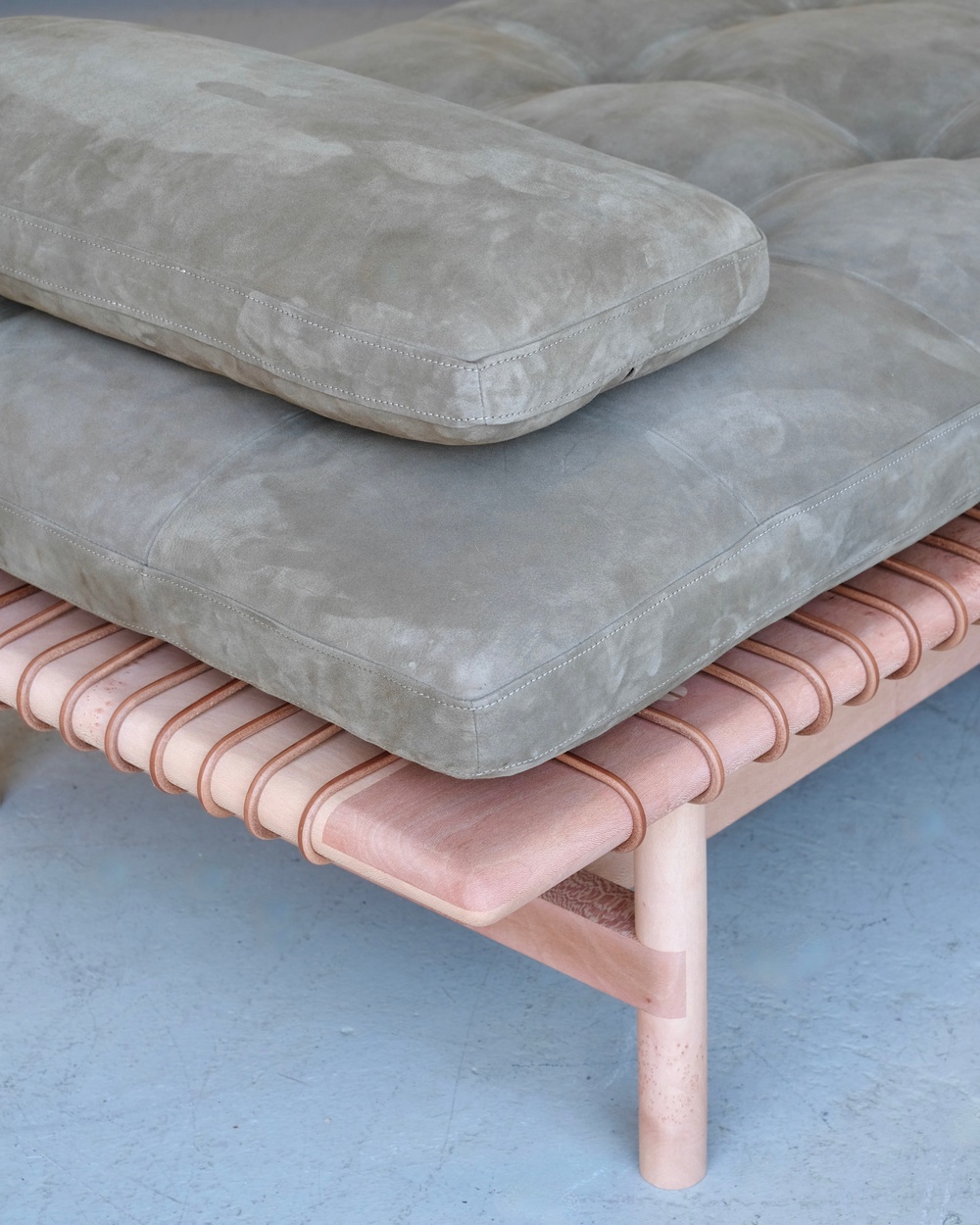
There is also an emotional dimension to this approach, one increasingly absent from a culture built around replacement.
"That ties in very nicely to emotional attachment, because you see the marks of your own life on the piece, but not in a way that's disturbing. The more you interact with the piece, the more it responds to you, and it becomes like a relationship. That's the opposite of something you receive and throw away."
Rethinking what we take from the land
The relationship between conservation and craftsmanship is also evident at Knepp Estate, the pioneering rewilding project in Sussex.
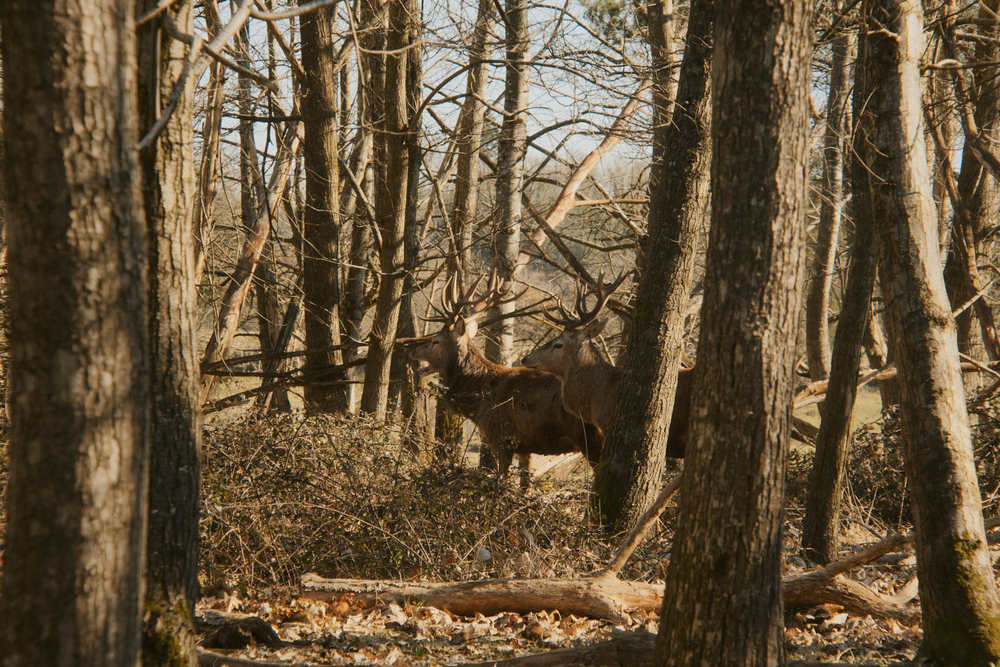
Here, Billy Tannery works with the estate to transform deerskins from its managed populations into leather products sold through the estate shop, connecting visitors directly with the landscape from which they originate.
The collaboration illustrates a broader principle, rewilding via human intervention. Where ecological processes cannot operate independently, carefully considered management can help restore balance.
For OTZI, this thinking extends beyond leather to the timber used in its workshop. British woodland management can provide opportunities to work with a wider variety of native and locally grown species, while supporting more resilient landscapes.

"We were talking to a forester recently who said we're all consuming the wrong woods. We should be using more sycamore, more chestnut more trees that are easier to grow in a managed woodland and contribute better to the woodland and to biodiversity."
Both businesses are questioning an industry preoccupied with inventing supposedly sustainable alternatives while overlooking the resources already available.
Millington is particularly clear about where he believes attention should be directed.
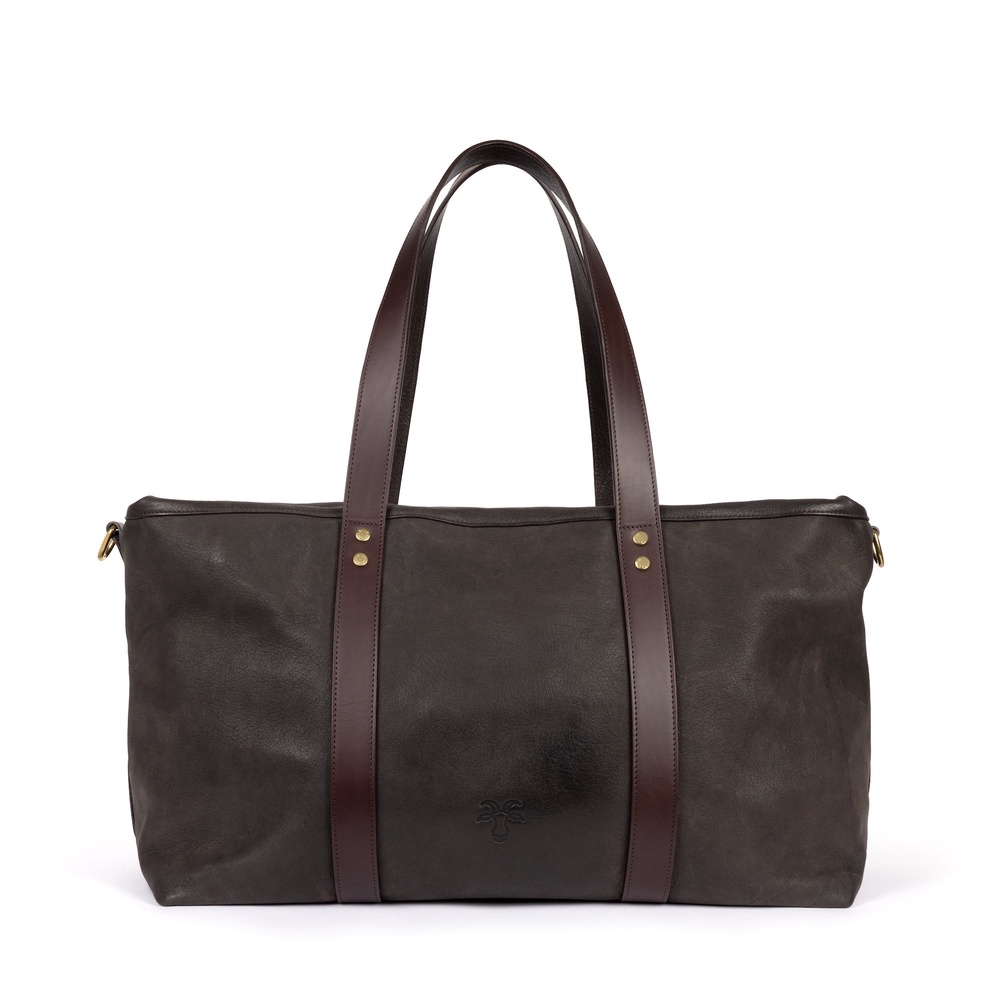
"I'm operating as a new tannery and a new leather company, and everywhere you turn people seem to be saying, "We've come up with this new alternative to leather." You just think if even a fraction of the energy that goes into creating new materials went into what we could do with more traditional materials, we could be in a much better place."
Perhaps the most important lesson is that sustainability cannot be judged by a material alone. Its origins, the ecological consequences of its production, the people who transform it and how long it remains useful are all part of the same story.
In an age when extraction is so often associated with environmental destruction, Billy Tannery and OTZI offer a more nuanced perspective. Sometimes restoring balance requires taking something away. What matters is why we take it, how we use it and whether the landscape is healthier as a result.
For fashion and design, perhaps the future lies not in endlessly searching for something new, but in rediscovering the value of what our landscapes already provide.
Read MoreForest fires significantly worsening across Africa’s tropical nations, data shows
The Independent Climate 100 List 2026
Trump making climate progress ‘more difficult’, warns former Australian PM
New coal projects around globe outnumber those cancelled three to one, report says
How the ‘Super El Niño’ is changing the colour of the ocean
I lost my entire livelihood to El Nino once. This time I’m fighting back