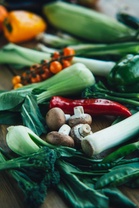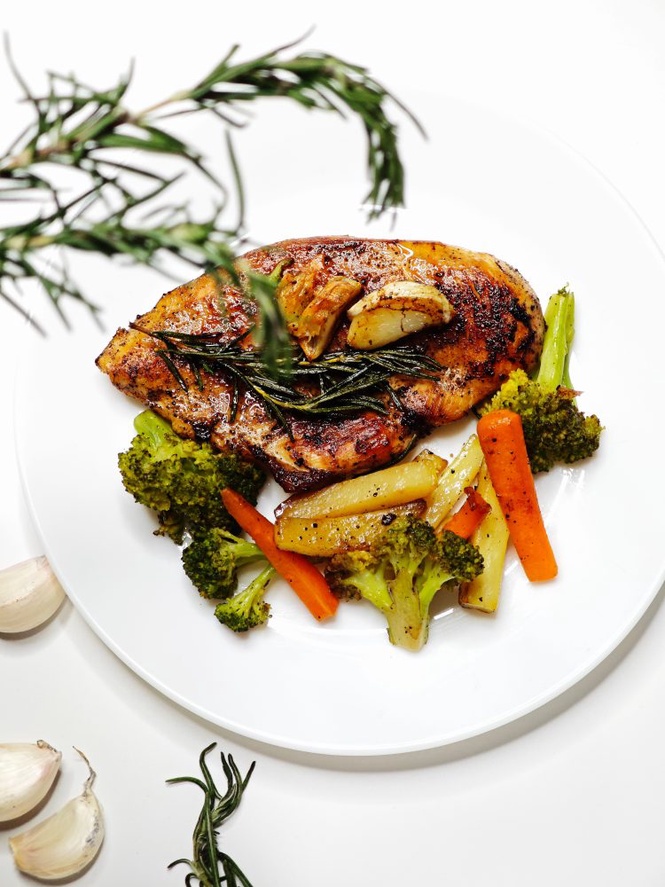
Is frozen food really cheaper than fresh? It’s a question worth asking when you’re trying to keep grocery costs under control, especially when a bag of frozen vegetables can look like a bargain next to the fresh produce section. But the answer isn’t as simple as grabbing whichever package has the lower price tag. To find out which option offers better value, we compared the ingredients for the same chicken, broccoli, and roasted potato dinner using current Walmart grocery listings. The results reveal why frozen food isn’t always the budget winner, even when it offers advantages in convenience and reducing waste.
Here’s the Dinner We Compared
We chose a straightforward meal that could feed four people without requiring expensive ingredients or complicated preparation. Each version includes boneless, skinless chicken breast, broccoli, roasted potatoes, and basic pantry seasonings.
For the comparison, we planned to use 1.5 pounds of chicken, 12 ounces of broccoli, and 1.5 pounds of potatoes. That’s approximately six ounces of raw chicken, three ounces of broccoli, and six ounces of potatoes per person.
We used Walmart’s online grocery listings as a consistent pricing reference rather than comparing different retailers with different pricing strategies. Prices can vary by store and ZIP code, so these figures should be treated as a shopping example rather than a guaranteed nationwide total.
Fresh vs. Frozen Chicken: Fresh Was Cheaper
Chicken was the first surprise in our comparison. Walmart listed its Freshness Guaranteed boneless, skinless chicken breasts at approximately $2.23 per pound, while Great Value frozen boneless, skinless chicken breasts were listed at $9.47 for a three-pound bag, or approximately $3.16 per pound.
Here’s what that means for our four-serving dinner:
| Chicken option | Cost for 1.5 lbs. |
|---|---|
| Fresh chicken breast | $3.35 |
| Frozen chicken breast | $4.74 |
| Fresh chicken savings | $1.39 |
In this example, buying fresh chicken costs about $1.39 less for the same amount of meat.
However, the frozen chicken comes in a package that can be stored for future meals. If you regularly throw away unused fresh meat, that convenience may still have financial value.
The important lesson is to compare the price per pound rather than assuming frozen chicken is automatically cheaper.
Frozen Broccoli Makes Portioning Easier
Broccoli presents a different shopping decision because frozen vegetables are often sold in convenient, ready-to-cook portions.
Walmart listed Great Value Frozen Broccoli Florets at $1.16 for a 12-ounce bag. A larger 32-ounce bag was listed at $2.88, which works out to nine cents per ounce.
For our dinner, the smaller frozen package provides exactly the 12 ounces we planned to use.
Fresh broccoli prices fluctuate by season, store, and whether you’re buying crowns, florets, or whole heads. There’s also the question of how much of the purchased weight becomes usable food after trimming.
The USDA’s Food Buying Guide explains that frozen vegetables often yield more servings per pound because they’re already cleaned and prepared.
If fresh broccoli costs more than $1.16 for the amount you actually serve, frozen broccoli wins this part of the comparison. If fresh broccoli is on sale and you use everything you purchase, fresh could be cheaper instead.
Fresh Potatoes Beat Frozen Wedges on Price
Potatoes are where fresh ingredients can offer substantial savings.
Walmart listed a five-pound bag of fresh russet potatoes at $3.76, or approximately 75 cents per pound. Meanwhile, a 32-ounce bag of Great Value frozen seasoned potato wedges was listed at $2.97, or approximately $1.49 per pound.
For the 1.5 pounds used in our dinner, the difference looks like this:
| Potato option | Cost for 1.5 lbs. |
|---|---|
| Fresh russet potatoes | $1.13 |
| Frozen seasoned wedges | $2.23 |
| Fresh potato savings | $1.10 |
Fresh potatoes cost about half as much per pound in this comparison.
Of course, the frozen wedges are already cut and seasoned, so they save preparation time. Fresh potatoes require washing, cutting, and seasoning before roasting.
For a household that doesn’t mind a few minutes of preparation, fresh potatoes offer better value at these prices.
What Did the Two Dinners Actually Cost?
Now comes the important part: putting the ingredients together.
We have verified comparison prices for chicken and potatoes, but the fresh broccoli price depends on the store and the amount of usable broccoli purchased. Rather than inventing that price, we can compare the known costs and show exactly what would determine the final winner.
| Ingredient | Fresh version | Frozen version |
|---|---|---|
| Chicken breast, 1.5 lbs. | $3.35 | $4.74 |
| Potatoes, 1.5 lbs. | $1.13 | $2.23 |
| Broccoli, 12 oz. | Local fresh price needed | $1.16 |
| Subtotal | $4.48 + broccoli | $8.13 |
The frozen dinner costs approximately $8.13 for four servings, or $2.03 per person, before seasonings, cooking oil, and tax.
The fresh dinner starts at $4.48 before adding broccoli. That means fresh broccoli could cost as much as $3.65 for the required usable portion before the fresh dinner becomes more expensive than the frozen version.
That’s a substantial difference, and it demonstrates why shoppers should calculate the complete meal cost rather than judging ingredients individually.
But What Happens If You Waste Fresh Ingredients?
The grocery receipt doesn’t tell the entire story.
Imagine purchasing a large package of fresh broccoli because the price per pound looks attractive, only to use half before the remainder spoils. Your effective cost for the broccoli you actually ate would be considerably higher.
Frozen broccoli allows you to measure out the amount needed and return the rest to the freezer.
The USDA Economic Research Service has found that neither fresh nor processed fruits and vegetables are consistently cheaper across all categories. The best value depends on the specific food and how its price is measured.
This is why frozen vegetables can make financial sense for someone cooking for one or two people, even when the fresh version has a slightly lower advertised price.
Preparation Time Is Another Part of the Equation
The fresh version of our dinner requires washing and cutting potatoes, trimming broccoli, and preparing the chicken.
The frozen version eliminates much of the vegetable preparation, although frozen chicken may require advance thawing or different cooking instructions.
For someone coming home after a long workday, saving 10 or 15 minutes of hands-on preparation may be worthwhile.
However, convenience shouldn’t be confused with lower grocery costs. Paying more for ingredients that are already chopped, seasoned, or portioned can be reasonable, but it’s still an additional expense.
The USDA’s food safety guidance also reminds consumers that freezing preserves food for extended periods, although quality can decline during prolonged storage.
So, Which Dinner Wins?
Based on the chicken and potato prices we found, the fresh version has a $2.49 advantage before broccoli is added.
The frozen version has a confirmed ingredient cost of approximately $8.13, while the final fresh total depends on local broccoli pricing.
For fresh to win overall, the usable fresh broccoli portion must cost less than $3.65. That gives shoppers a simple number to check while standing in the produce aisle.
The broader takeaway is that frozen food isn’t automatically the cheaper choice. In our comparison, fresh chicken and potatoes were less expensive, while frozen broccoli offered convenient portioning and reduced spoilage risk.
The Smartest Grocery Cart Might Include Both
The most practical way to save money may be to stop thinking of fresh and frozen food as competing categories.
Buying fresh chicken when it’s cheaper, using fresh potatoes for affordable side dishes, and keeping frozen vegetables available for busy nights can give households the best of both options.
If you regularly waste fresh produce, frozen ingredients may save money over time. If you cook frequently and use everything you buy, fresh ingredients may offer better value.
Ultimately, the cheapest dinner isn’t necessarily the one with the lowest shelf prices. It’s the one that delivers the most usable food for the money you spend.
Do you usually buy fresh or frozen ingredients for weeknight dinners, and which products have you found are actually cheaper at your grocery store?
What To Read Next
The $25 Pasta Dinner Test: Which Grocery Store Gives You the Most Food?
Could You Feed Two People Dinner for $10? We Built 7 Grocery Carts to Find Out
The Grocery Store Wants You to Buy Dinner at 5 P.M. — Here’s Why That Gets Expensive
How to Build a Week of Dinners for Under $75 in August
The Rise of Mini Meals: What This Means for Dinner on a Budget
The post Frozen vs. Fresh: We Built the Same Dinner Both Ways to See Which Cost Less appeared first on Grocery Coupon Guide.