PETALING JAYA: Malaysia expects about 9 gigawatts (GW) of gas-fired power generation capacity to be deployed into the electricity system by 2032 as the country phases out coal and prepares for rising electricity demand.
Economy Minister Akmal Nasrullah Mohd Nasir said the additional gas-fired capacity would be needed to support future electricity demand while Malaysia continues to reduce the carbon intensity of its power sector.
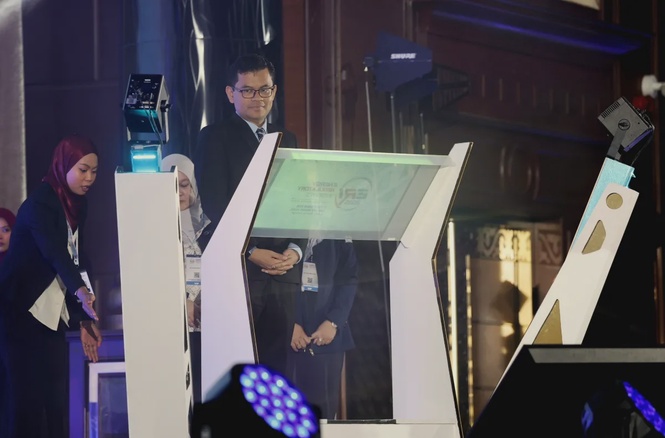
“We expect the need for about 9GW to be deployed or to be put into the system through our gas power plants,” Akmal told reporters after officiating the Energy Regulatory Insights 2026 today.
He said the planning would have to be managed by the Energy Transition and Water Transformation Ministry together with the Energy Commission (ST), ensuring that Malaysia can meet rising electricity demand without compromising its sustainability commitments.
Akmal Nasrullah said Malaysia is no longer planning new coal-fired power plants, with the final coal plant expected to be retired by 2044.
The planned gas capacity comes as Malaysia faces growing electricity requirements from data centres, advanced manufacturing and other energy-intensive industries, while existing coal plants approach the end of their operating lives.
ST CEO Siti Safinah Salleh said the regulator’s latest generation planning exercise is based on a three-year rolling requirement covering 2029, 2030 and 2031, with the cumulative requirement at “slightly around 8GW”.
“The one that we have issued most recently is actually for the requirements for 2029, 2030 to 2031. And those requirements are cumulative, roughly about slightly around 8GW all together,” she added.
ST’s current three-year planning window is consistent with its NEWGEN26 procurement exercise, which seeks proposals for new gas-fired power plants scheduled to commence operations between 2029 and 2031 to maintain electricity supply stability and an optimal reserve margin.
Siti Safinah said the Joint Energy Planning Committee (JPEC) now revisits the system’s generation requirements twice a year, reflecting the faster pace of change in the electricity sector.
Under the current approach, ST identifies the system requirement and subsequently issues tender requirements based on the latest planning assessment.
Siti Safinah said the more frequent reviews are necessary because electricity demand and the generation mix can change substantially within a short period. She confirmed that JPEC reports, which had previously been publicly released, are no longer being published.
ST is considering whether the reports could be reinstated or whether another mechanism could provide sufficient visibility to industry, Siti Safinah said.
“One of the challenges … is that because JPEC, as we said, is now a lot more frequent. So we revisit that all the time, and we’ve seen the numbers change,” she disclosed.
“If we publish, and then another six months we publish again, it does create a lot more uncertainty compared to the certainty objective that you want.”
She said ST regards this as an area for improvement.
Despite the expected longer-term expansion in gas-fired generation, Siti Safinah said, no new gas-fired capacity is expected to come online in 2027.
Instead, the electricity system will optimise existing gas capacity next year, with utilisation depending on overall electricity demand and the operating requirements of the system.
Siti Safinah said said gas currently accounts for about 39% of Malaysia’s installed generation capacity, based on total installed capacity of 22GW.
However, she stressed that Malaysia’s electricity supply is a mixture of coal, gas and renewable energy, with generation dispatched according to available capacity and system requirements.
Around half of the country’s coal-fired generation capacity is expected to expire around 2035-2036, she added.
One of the older coal plants is expected to reach the end of its operating life before 2030.
ST is looking at whether that plant should be retained on standby after its scheduled expiry, a practice used in some countries to provide additional system security.
The newest coal plant, meanwhile, is expected to remain until 2044.
“The last coal plant, which is the last one built, will actually expire in 2044,” Siti Safinah said.
The retirement schedule means Malaysia will have to coordinate the timing of new gas capacity, renewable generation, storage and grid upgrades carefully to ensure sufficient capacity remains available.
ST’s earlier generation planning documents have also identified the need for new combined-cycle gas turbine capacity as older plants retire and demand rises.
The planned gas build-out will also increase the importance of securing sufficient fuel supply.
ST said in its June 2026 consultation on gas supply to the power sector that domestic gas production is declining while electricity demand continues to grow. It identified indicative additional gas requirements from new gas-fired plants expected to be commissioned from 2028 onwards.
The consultation identified eight indicative new gas plants with a combined installed capacity of roughly 8.35GW, including a 1,400MW plant expected in 2030 and a 2,100MW plant expected in 2031.
ST stressed that the figures remain indicative and are subject to final investment decisions.