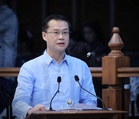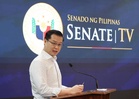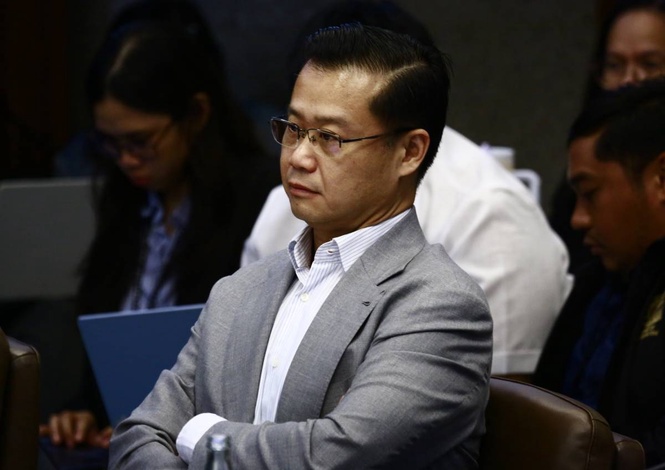
SEN. Sherwin Gatchalian said greater competition among electricity suppliers resulting from the full implementation of the Retail Competition and Open Access (RCOA) framework could lower power rates.
”The objective of RCOA is clear. It aims to empower consumers to choose an electricity supplier that offers better prices and services,” Gatchalian told business leaders during the annual summit of the Federation of Philippine Industries, where he served as keynote speaker.
He said allowing businesses to select their own electricity suppliers would give them greater control over their operating expenses, particularly at a time when high power costs continue to weigh on the competitiveness of local industries.
Under the RCOA system, eligible electricity consumers are no longer limited to purchasing power from their local distribution utility. They can enter into supply agreements with licensed retail electricity suppliers, giving them access to competing offers and potentially more favorable rates.
Gatchalian cited the difference in generation charges as an indication of the potential savings from retail competition.
In September, a major distribution utility’s generation charge averaged P9.7032 per kilowatt-hour (kWh), compared with the weighted average RCOA price of P5.77 per kWh in the third quarter.
The difference translates to potential savings of about 40 percent on the generation component of electricity bills, he said.
While generation is only one component of the total electricity bill, Gatchalian said the figures demonstrate how allowing consumers to choose their suppliers could help ease the burden of power costs.
The expansion of the RCOA framework took effect on June 26, following the Energy Regulatory Commission’s decision to lower the eligibility threshold from 500 kW to 100 kW in average monthly peak demand.
The adjustment opened the competitive retail electricity market to an estimated 12,000 additional end-users, on top of the roughly 2,300 consumers who had previously qualified under the higher threshold.
The newly eligible consumers include medium-sized businesses, schools, hospitals, hotels, office buildings and manufacturing facilities that previously could not directly participate in the program.
Smaller electricity users may also benefit through the Retail Aggregation Program, which allows several consumers to pool their electricity demand to meet the eligibility requirement and collectively choose a retail electricity supplier. This could eventually extend the benefits of competition to smaller establishments and residential communities.
The RCOA framework is part of the government’s broader power industry reforms under Republic Act 9136, or the Electric Power Industry Reform Act of 2001, which seeks to promote competition, improve efficiency and provide consumers with more choices in the electricity market.
Gatchalian stressed that expanding consumer participation and ensuring that the policy works effectively are important steps toward making electricity more affordable and improving the competitiveness of Philippine businesses.
He said greater access to alternative suppliers would allow companies to manage their energy requirements more strategically instead of depending solely on their respective distribution utilities for electricity supply.
High power rates have always been a major concern for households and businesses, particularly in energy-intensive industries.