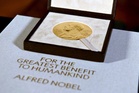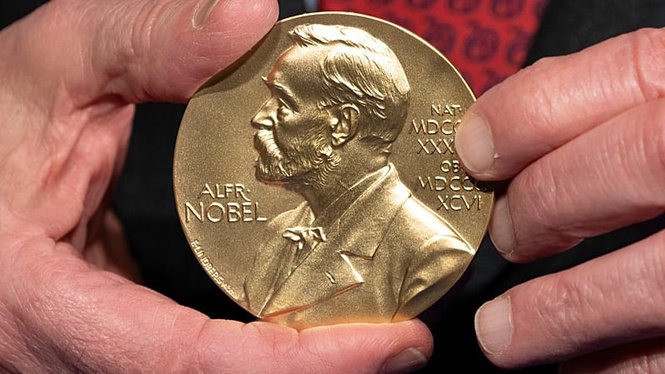
The Nobel Prize in Physiology or Medicine 2026 is awarded for optogenetics — a method that makes it possible to show how nerve cells shape memories, feelings and behaviours in the living brain, the Nobel Assembly at Karolinska Institutet announced on Monday.
German scientists Karl Deisseroth, Peter Hegemann and US scientist Georg Nagel won the Prize, laying foundation "of a new era in neuroscience", the institute said in a statement.
“Optogenetics provides opportunities for mapping the brain in a way that we could once only dream of,” said Per Svenningsson, Chair of the Nobel Committee for Physiology or Medicine in a press release.
“This method is now being used in laboratories around the world to reveal the brain’s mysteries,” the committee wrote on social platform X.
Last year's prize was shared by two US-based scientists, Mary E Brunkow and Fred Ramsdell, and their Japanese peer Shimon Sakaguchi for their discoveries in peripheral immune tolerance.
The three were awarded for "their groundbreaking discoveries concerning peripheral immune tolerance that prevents the immune system from harming the body," the institute said in a statement. Experts called the findings critical to understanding autoimmune diseases such as Type 1 diabetes, rheumatoid arthritis and lupus.
The honour has been awarded 117 times to 235 laureates between 1901 and 2026.
Monday's medicine prize is followed by the physics prize on Tuesday, chemistry on Wednesday and literature on Thursday.
After Friday’s peace prize is awarded, the Nobel Memorial Prize in Economic Sciences will be announced on 12 October.
The prize this year is 12 million Swedish kronor (about €1.09 million), whether for an individual, a small group of laureates, or an organisation.
The award ceremony will be held on 10 December, the anniversary of the death of Alfred Nobel, a wealthy Swedish industrialist and the inventor of dynamite who founded the prizes. He died in 1896.