.png)
MALAYSIA is seeking permission to deploy its Special Malaysia Disaster Assistance and Rescue Team (SMART) to Nepal as the search intensifies for Malaysians still unaccounted for following devastating floods and landslides.
Foreign Minister Datuk Seri Mohamad Hasan said he raised the proposed deployment during a telephone conversation with Nepalese Foreign Minister Shisir Khanal today, with the talks focused on the latest search-and-rescue efforts and attempts to locate Malaysians who remain uncontactable.
"Earlier, I had a telephone conversation with His Excellency Shisir Khanal, Foreign Minister of Nepal,” Mohamad said.
The discussion focused on the latest developments in the search-and-rescue (SAR) operation, particularly efforts to locate Malaysians who remain uncontactable following the floods and landslides in Nepal.
"Malaysia has also sought permission from the Government of Nepal to mobilise the Special Malaysia Disaster Assistance and Rescue Team (SMART) to assist and support the SAR operation currently being carried out on the ground.
"I also expressed my appreciation to the Government of Nepal for all the assistance and cooperation extended to the Malaysian Embassy in Kathmandu in dealing with this situation."
The move comes as Nepal struggles to reach hundreds of people believed to be trapped inside tunnels at hydropower projects in the worst-hit districts of Rasuwa and Nuwakot.
Reuters reported Nepalese authorities said 903 people had died and 4,247 remained missing, including 933 workers believed to be trapped at 11 hydropower projects.
Rescuers are using excavators, controlled blasts and searchlights to clear mud, rocks and debris blocking access to the tunnels, but difficult terrain and continuing bad weather have hampered the operation.
Nepal Army spokesman Raja Ram Basnet said the sheer volume of debris remained a major obstacle.
"A large amount of debris has been deposited and that is posing us a big challenge to open the tunnels," he said. "Our main focus is on opening the tunnels."
Rescue teams have recovered three bodies after entering two tunnels, while other sections remain buried.
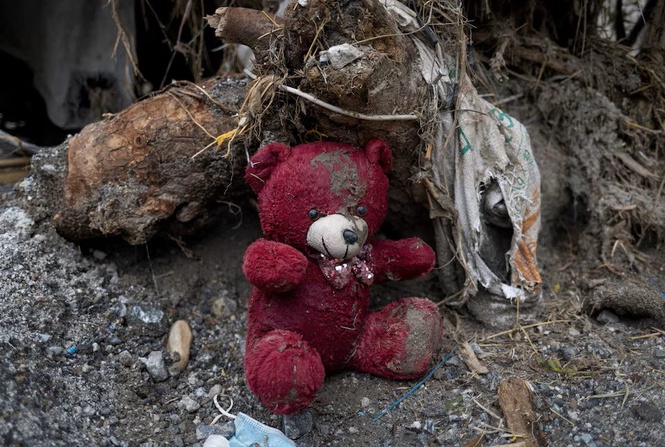
Nepal’s Prime Minister Balendra Shah described the disaster as an "unprecedented and devastating natural disaster", with nearly 21,000 security personnel involved in rescue operations alongside civilian workers and volunteers.
"Despite the adverse weather, difficult terrain and continuing risks, we are moving forward with determination to save the lives of our citizens," he said.
The disaster has also devastated areas across the Nepal-Tibet border. Chinese authorities reported 16 deaths and 546 people missing in Gyirong County, while Beijing said 261 foreign nationals from 23 countries were unaccounted for in Tibet.
More than 90,000 people are estimated to have been affected by the disaster, according to the Red Cross.
Rescue efforts have faced additional threats from landslides, unstable terrain and lakes formed by the disaster that could trigger further flooding.
Authorities are monitoring a large crater created near the site of the glacier collapse on the Nepalese side. State media reported that it had expanded to about 174,000 square metres and contained an estimated 2.5 million cubic metres of water.
China has attributed the disaster to glacier instability linked to the long-term effects of global warming.
The crisis has also raised concerns over cross-border sharing of information on glacier risks and water levels. China’s Foreign Ministry said Beijing had continuously provided Nepal with meteorological and hydrological data and would continue to "strongly support" Nepal’s disaster relief efforts. - August 31, 2026