Halloween candy prices are soaring, adding to the cost of a holiday that is expected to set Americans back more than $100 per person on treats, costumes and decorations this year.
Americans are expected to spend a record $13.5 billion on Halloween in 2026, according to a new National Retail Federation survey.
Spending is projected to surpass the previous record of $13.1 billion set in 2025, with the average consumer expected to spend $115.14 on Halloween purchases, up slightly from $114.45 last year.
The federation’s annual survey, conducted by Prosper Insights & Analytics, found that 74 percent of consumers plan to celebrate Halloween this year, in line with the 73 percent who planned to celebrate in 2025.
But the cost of celebrating is climbing. Halloween candy prices have surged 71 percent since 2021, according to a FinanceBuzz study.
The average price of a 100-piece bag of assorted candy reached $16.96 in 2026, up from $9.91 five years ago. The average price also climbed 3.5 percent from 2025 to 2026, according to FinanceBuzz.
Candy and chewing gum prices rose 8.1 percent in August compared with the same month last year, according to the latest available Bureau of Labor Statistics data cited by Fox Business. That was more than twice the 3.4 percent annual increase in overall consumer prices.
Still, participation in celebrating Halloween remains above pre-COVID-19 pandemic levels, when 68 percent of consumers expected to celebrate in 2019, according to the National Retail Federation.
Nearly half of consumers, or 49 percent, plan to start Halloween shopping in September or earlier, up from 34 percent in 2016.
Among early shoppers, 42 percent said they looked forward to fall, while 34 percent cited Halloween as one of their favorite holidays.
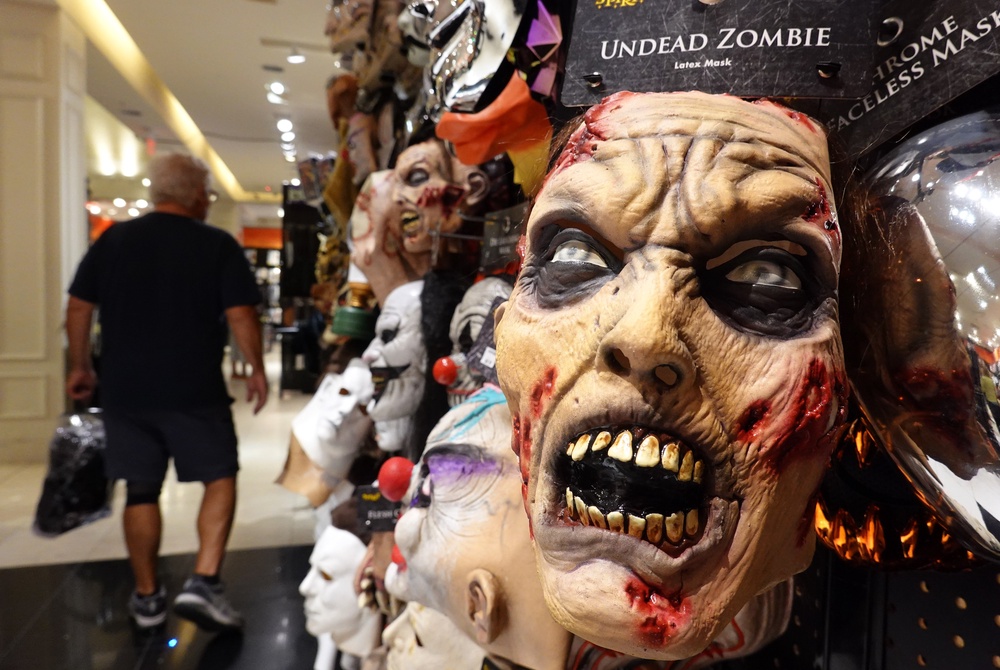
Discount stores were the most popular shopping destination, with 39 percent planning to shop at one, followed by specialty Halloween and costume stores (32 percent) and online retailers (27 percent), the federation found.
Thirteen percent planned to shop at local or small businesses, nearly double the 7 percent recorded in 2016.
Price concerns are also shaping shopping plans, with 79 percent of consumers expecting tariffs to make Halloween items more expensive.
To save money, 34 percent planned to buy reusable items, 31 percent intended to compare prices more often and 26 percent planned to seek out more coupons and sales.
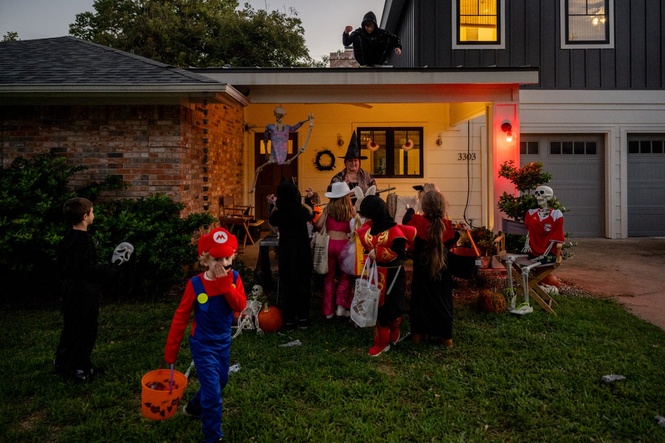
Despite the higher costs, handing out candy remained the most popular Halloween tradition, with 61 percent planning to participate.
Read More11 best kids’ Halloween outfits that will scare and delight
9 best horror stories to read this Halloween and beyond
Kourtney Kardashian’s skeletons and other celebrity inspiration for Halloween
Spirit Halloween to open 44 new locations ahead of Christmas — here’s what to know
Half of holiday shoppers in US worried about affording gifts: poll
The cost breakdown which lays out why Americans are struggling on $100,000 salaries