.png)
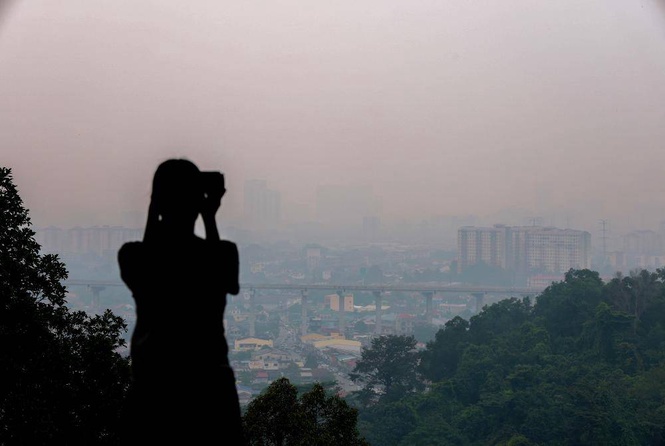
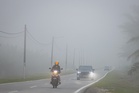
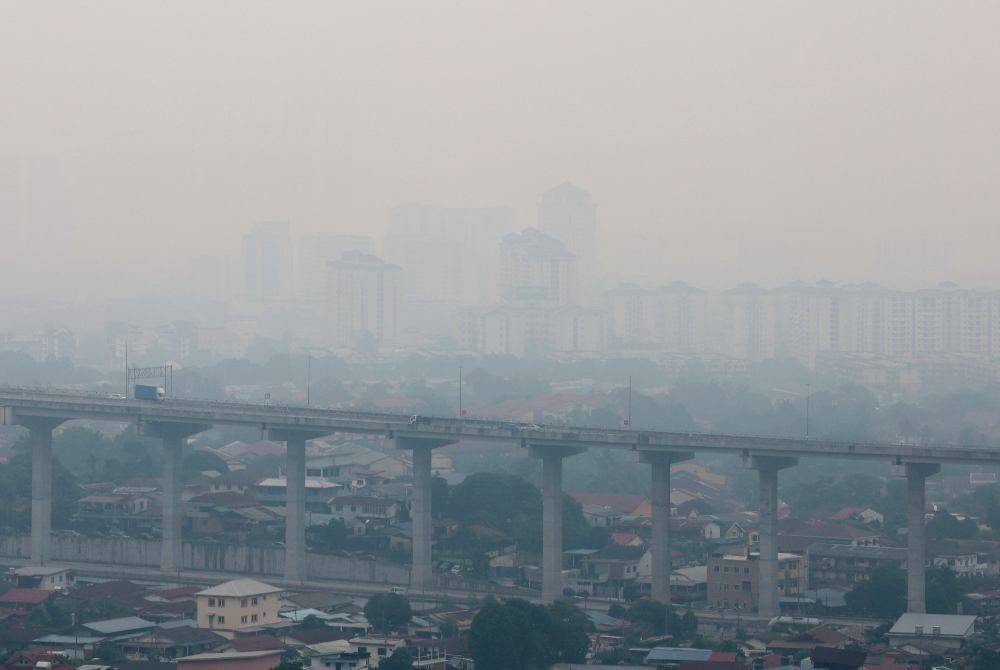
SHAH ALAM - Haze conditions in Malaysia continued to worsen today, with 38 areas recording unhealthy Air Pollutant Index (API) readings as of 4pm.
Among the areas recording the highest official API readings were Segamat at 190, followed by Seremban (187), Nilai (185), Kluang (181), Rompin (178), Johan Setia (178), Putrajaya and Melaka at 174 each, and Cheras (173).
Another 30 areas recorded moderate API readings, including Kulim Hi-Tech (97), Serian District Police Headquarters (97), Alor Setar (96), Balik Pulau (95), Tawau (94), Kangar (92) and Kuching (91).
The worsening conditions came as forest and land fires continued to burn in Indonesia, with its Forestry Ministry reporting 1,176 high-confidence hotspots nationwide as of 9pm yesterday local time.
The Department of Environment (DOE) previously said smoke plumes from clusters of hotspots in Kalimantan as well as central and southern Sumatra had contributed to the transboundary haze affecting Malaysia.
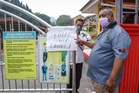
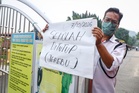
The haze situation has also disrupted education in Johor, with all schools in the state closed for two days starting Thursday as a precautionary measure amid deteriorating air quality.
Home-based teaching and learning (PdPR) continued throughout the closure period to minimise disruption to pupils’ education while safeguarding their health and safety.
Independent platforms show higher readings
The worsening haze also drew attention to differences between Malaysia’s official API readings and figures displayed by independent air-quality platforms.
As of the same period, IQAir recorded Kuala Lumpur at 225, Petaling Jaya at 230, Putrajaya at 184, Johor Bahru at 173, Shah Alam at 171 and George Town at 160.
Kuching was recorded at 132, while Subang Jaya stood at 94 and Kota Kinabalu at 63.
The differences have raised questions among members of the public about why readings for the same locations can vary considerably between platforms.
DOE previously clarified to Sinar Daily on Oct 6 that differences between Malaysia’s official API readings on MyEQMS and figures provided by third-party platforms could arise from differences in calculation methods, breakpoints, data sources and averaging periods.
DOE said Malaysia’s API, which serves as the government’s official reference for ambient air quality, was calculated using data from its monitoring network and nationally established methods based on the United States Environmental Protection Agency’s Pollutant Standard Index approach.
It also explained that PM2.5 readings used in Malaysia’s API calculation were based on a 24-hour average. As a result, short-term spikes in pollution might not immediately change the API category even when visibility had already deteriorated.
DOE advised the public to refer to the official API readings available through MyEQMS and the MyJAS EQMS application when assessing Malaysia’s air-quality status.