
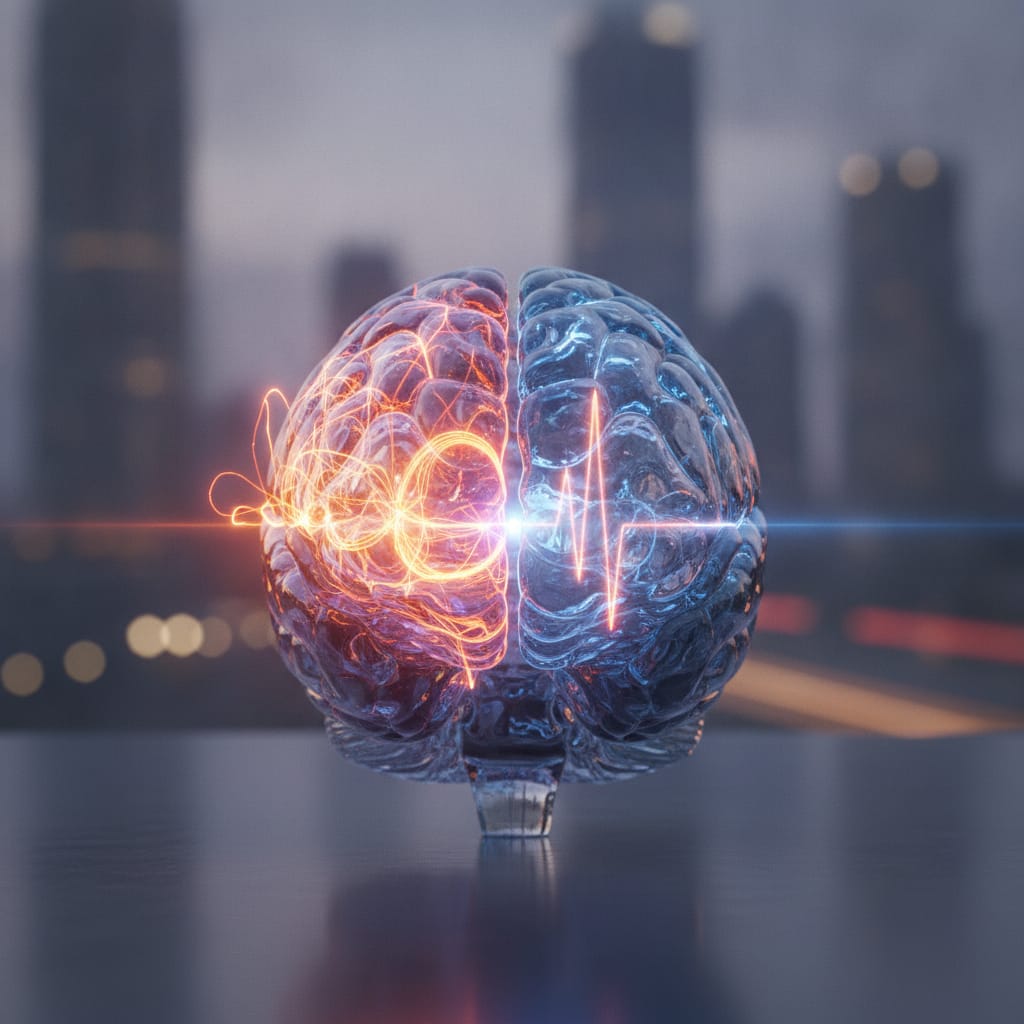
It is crucial to identify stroke patients who qualify for reperfusion therapy before admission. According to Wang, X., Carcel, C., Hsu, B., Shajahan, S., Miller, M., Peters, S., Randall, D. A., Havard, A., Redfern, J., Anderson, C. S., Jorm, L., & Woodward, M. (2022). Differences in the pre-hospital management of women and men with stroke by emergency medical services in New South Wales. The Medical journal of Australia, 217(3), 143–148. ., paramedics frequently misidentify women under 70 as having non-stroke symptoms, which results in less stroke-related care. Studies show that non-focal symptoms are more common in women, making diagnosis more challenging. This problem may be exacerbated by variations in stroke lesions and a lack of familial information for females. Treatment delays may result from emergency services' existing FAST criteria's inability to capture the variety of symptoms effectively. To identify unusual symptoms in both sexes and enhance results, better evaluation instruments and training are required. One useful tool that could improve diagnosis and communication in pre-hospital situations is the National Institute of Health Stroke Scale (NIHSS). To properly diagnose and treat stroke in women, more study on gender differences in stroke presentation is required. Sandset, E. C., & Ranhoff Hov, M. (2022). Stroke is more than a hemiparesis: the pre-hospital detection of stroke. The Medical journal of Australia, 217(3), 140–141
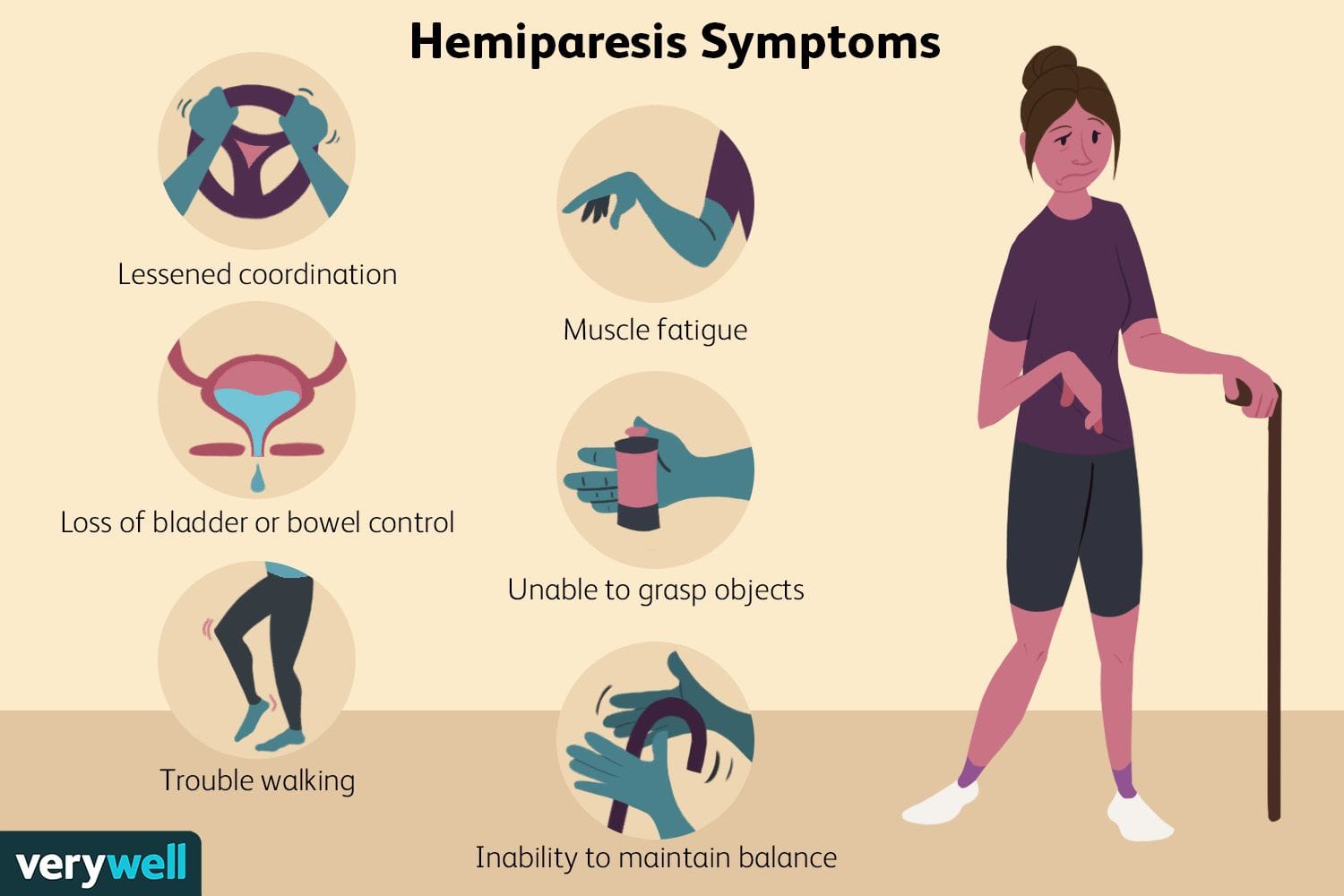
Balance, walking, and coordination are made more difficult by hemiparesis, which is characterized by partial weakness and diminished motor control on one side of the body and face. Loss of balance, trouble walking, difficulty grasping items, muscle tiredness, and problems with coordination are some of the main symptoms. While left-sided hemiparesis suggests a right brain injury that affects behavior, learning, and nonverbal communication, right-sided hemiparesis suggests a left brain damage that may cause difficulties with speech and comprehension. https://www.northwestfunctionalneurology.com/blog/what-is-hemiparesis
By creating new neural connections, neuro-plasticity helps the brain recover after a stroke and reallocate functions. Through this mechanism, functions lost as a result of injury can be replaced by intact brain regions. Active and passive massed exercises are examples of rehabilitation techniques that improve muscular strength and neuro-plasticity. While passive workouts can also promote brain rewiring, active rehab exercises use autonomous movements to counteract muscular atrophy. Other techniques, such mirror therapy and electrical stimulation, help people recover from hemiparesis and hemiplegia. Regaining movement and function following a stroke requires regular practice and customized rehabilitation programs.
Mirhaa05 (hemirhaphysio@gmail.com) is a content creator under the Newswav Creator programme, where you get to express yourself, be a citizen journalist, and at the same time monetize your content & reach millions of users on Newswav. Log in to creator.newswav.com and become a Newswav Creator now!
The User Content (as defined on Newswav Terms of Use) above including the views expressed and media (pictures, videos, citations etc) were submitted & posted by the author. Newswav is solely an aggregation platform that hosts the User Content. If you have any questions about the content, copyright or other issues of the work, please contact creator@newswav.com.