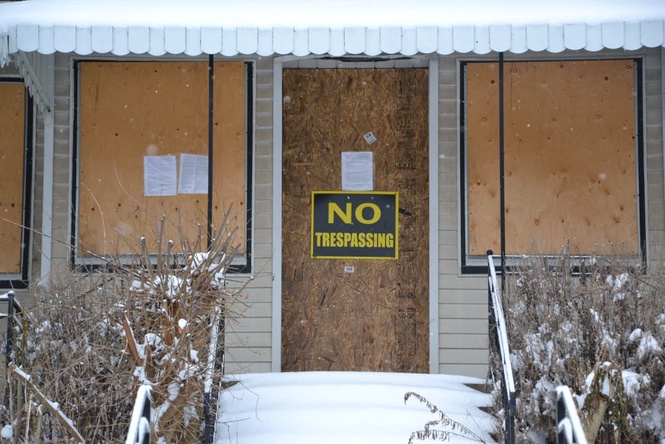
Imagine buying a vacation home, inheriting a piece of land, or leaving a rental property vacant, only to discover that someone else has been using it without permission. Most homeowners would assume their deed settles any ownership dispute, but an obscure legal doctrine called adverse possession can sometimes complicate that assumption. Under specific circumstances, someone who occupies another person’s property for years may eventually establish a legal ownership claim.
That doesn’t mean a stranger can break into your house and suddenly become its rightful owner. According to Cornell Law School’s Legal Information Institute, adverse possession generally requires occupation that is open, continuous, exclusive, and without the owner’s permission for a legally established period. Additional requirements vary by state, and successful claims are much more complicated than simply occupying an empty home.
For retirees, landlords, and families managing inherited properties, the financial consequences of an ownership dispute can be substantial. Here are eight states where understanding squatters’ rights and adverse possession laws is especially important.
1. California: Five Years Can Matter, but Property Taxes Are Required
California has one of the shorter adverse possession periods in the country, but claiming ownership involves strict requirements. Under California Code of Civil Procedure Section 325, a claimant generally must establish five years of qualifying possession and show that applicable property taxes were paid during that period. Simply occupying an abandoned house or refusing to leave a property does not automatically satisfy those conditions. Homeowners with vacant vacation homes, inherited properties, or undeveloped land should monitor their properties and verify that tax records remain accurate. Because California real estate can represent a substantial portion of a family’s wealth, addressing boundary or ownership disputes early may help prevent expensive litigation.
2. Texas: Different Circumstances Can Change the Timeline
Texas adverse possession law includes several possible timeframes depending on the claimant’s circumstances and documentation. Under the Texas Civil Practice and Remedies Code, certain claims involve three-year, five-year, or ten-year limitations periods, each with different legal requirements. The commonly discussed ten-year provision generally concerns peaceable and adverse possession involving the cultivation, use, or enjoyment of property. For example, a rural landowner might discover that a neighboring property owner has fenced off and used part of an adjoining parcel for years. Resolving such disputes can involve surveys, legal representation, and potentially significant expenses, making regular property inspections and clear boundary records financially worthwhile.
3. Florida: Seven-Year Claims Exist Alongside Stronger Removal Protections
Florida generally requires seven years of qualifying possession for an adverse possession claim, with additional requirements depending on whether the claimant has color of title. However, the state has also strengthened protections against unauthorized occupants through legislation enacted in 2024. Under Florida Statute 82.036, qualifying property owners can request assistance from the county sheriff to remove certain unauthorized occupants without going through a traditional eviction proceeding. This process has important restrictions, including protections involving legitimate tenant disputes, family members, and pending litigation. For seasonal residents and retirees who spend months away from their Florida homes, understanding the distinction between trespassing, tenancy, and adverse possession can help prevent costly mistakes when responding to an unauthorized occupant.
4. New York: Ten Years of Possession Is Only Part of the Test
New York generally requires ten years of qualifying adverse possession before someone may establish ownership rights. According to New York Real Property Actions and Proceedings Law Section 501, the occupation must satisfy several conditions, including being actual, exclusive, continuous, open, notorious, and under a claim of right. The law also contains additional provisions governing what types of property use may qualify, so not every long-standing encroachment creates an ownership claim. Consider a homeowner who discovers that a neighbor’s fence has extended across the recorded property line for years. Even if the dispute involves only a narrow strip of land, resolving it could require legal fees, a professional survey, and delays when selling or refinancing the property.
5. Illinois: Twenty Years Is the General Rule, but Exceptions Exist
Illinois generally has a twenty-year adverse possession period, making ordinary claims particularly difficult to establish. However, Illinois law also provides shorter periods for certain claims involving written title documents, tax payments, or other specifically defined circumstances. Many adverse possession disputes involve property boundaries, driveways, fences, or other areas used by neighboring landowners rather than strangers taking over an entire house. For retirees inheriting an older family property, missing surveys or decades of informal arrangements can create uncertainty about exactly where ownership boundaries lie. Before selling inherited real estate, checking the deed, reviewing surveys, and resolving known encroachments may help avoid closing delays and unexpected legal expenses.
6. Georgia: A Document Claim Could Shorten the Required Period
Georgia generally requires twenty years of qualifying adverse possession, but the period may be reduced to seven years when possession is supported by qualifying written evidence of title. Under Georgia Code Section 44-5-163, written evidence of title can affect the required possession period when the applicable legal conditions are satisfied. This does not mean that presenting a questionable document automatically transfers ownership or defeats a legitimate deed. Families dealing with inherited land, unclear property descriptions, or long-standing boundary arrangements should be especially careful about maintaining accurate ownership records. Resolving these issues before a property is sold or transferred to heirs can help preserve its marketability and reduce the risk of expensive family disputes.
7. Arizona: Some Claims Have Shorter Time Limits
Arizona’s general adverse possession period is ten years, but certain claims involving title documents and property tax payments may have shorter limitation periods. The state’s adverse possession statutes include different provisions for qualifying circumstances, meaning homeowners should not assume every dispute follows the same timeline. A property owner with undeveloped desert land might not notice an encroaching fence, driveway, or other improvement until years after it was installed. Although that alone does not establish ownership, allowing a property dispute to continue can make the facts harder to reconstruct. Periodic inspections, current surveys, and documented responses to unauthorized use can help owners protect valuable real estate without waiting for a dispute to become a courtroom battle.
8. Washington: Ten Years Generally Applies, With Important Exceptions
Washington generally requires ten years of qualifying adverse possession, although certain circumstances involving title documents or tax payments can support shorter claims. The relevant rules appear in the Revised Code of Washington, which addresses actions involving possession and recovery of real property. Boundary disputes can arise when neighboring property owners use land in ways that do not match recorded legal descriptions. For example, an inherited home may have a driveway or landscaping that crosses onto adjoining property, creating questions when either owner decides to sell. Addressing discrepancies early can reduce the likelihood of legal bills, survey expenses, and transaction delays that diminish the property’s financial value.
How to Protect Your Property Without Spending a Fortune
Protecting real estate begins with maintaining clear ownership records and paying attention to properties that are not regularly occupied. Homeowners should keep copies of deeds, surveys, tax records, insurance documents, and written agreements allowing other people to use their land. If you own a vacation home or rental property, consider arranging periodic inspections and asking a trusted local contact to report signs of unauthorized entry. Security cameras, proper locks, exterior lighting, and maintained landscaping may help deter trespassing, although they cannot replace legal action when an ownership dispute arises. If someone occupies your property without permission, contact local authorities or a qualified real estate attorney rather than attempting an illegal lockout or removing someone’s belongings yourself.
The Financial Damage Can Begin Long Before Ownership Is at Risk
Even when an adverse possession claim ultimately fails, a property dispute can become expensive for the legitimate owner. Attorney fees, surveys, court filings, property repairs, and lost rental income may add up while the disagreement remains unresolved. Consider a rental property that normally generates $1,500 per month but cannot be rented for three months during a dispute, creating $4,500 in lost gross rental revenue before legal or repair costs. Homeowners should also review their insurance policies because coverage for vandalism, vacancy-related losses, and legal disputes varies considerably. For older adults whose home equity represents a major retirement asset, protecting clear title and responding promptly to unauthorized use is an important part of financial planning.
Don’t Let a Property Dispute Threaten Your Retirement Savings
The idea that squatters can easily steal homes oversimplifies a complicated area of property law. Adverse possession exists in all eight states discussed here, but each has specific requirements, and occupying someone else’s property does not automatically establish ownership. The greater practical concern for many homeowners is the financial disruption caused by unresolved trespassing, disputed boundaries, fraudulent documents, or neglected properties. Keeping accurate records, monitoring vacant real estate, and obtaining legal guidance when problems arise can help prevent small disagreements from becoming costly disputes. Protecting your home means protecting more than a building; it means safeguarding an asset that may support your retirement, your family, and your long-term financial security.
Have you ever dealt with an unauthorized occupant or property boundary dispute? What did it cost to resolve the situation? Share your experience in the comments.