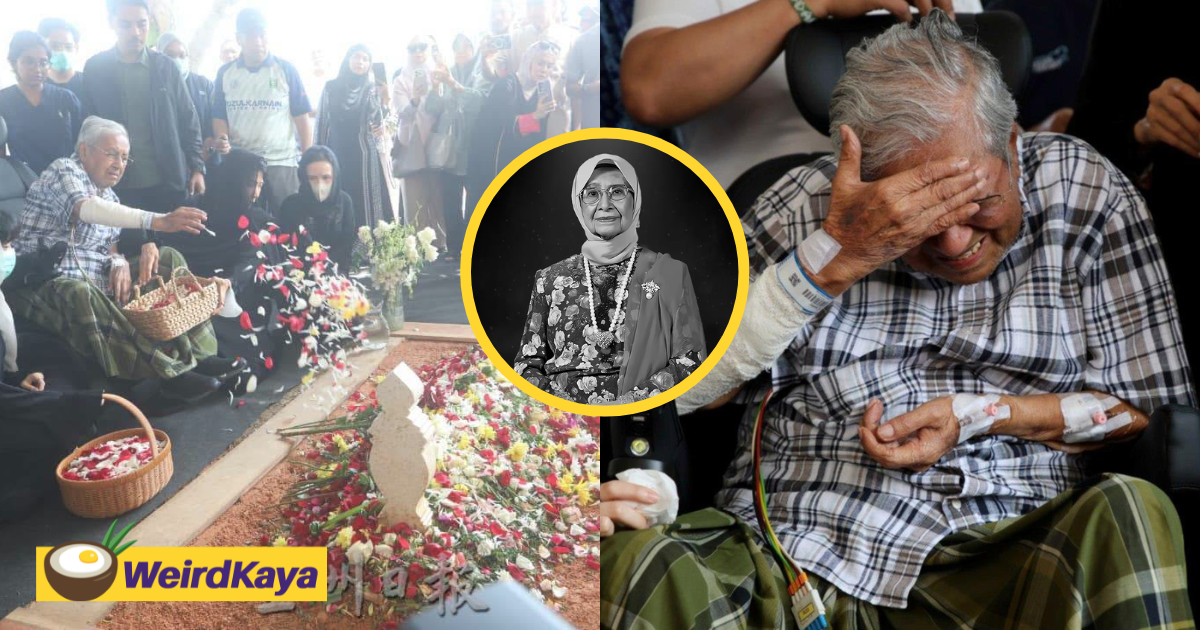
THE passing of Tun Dr Siti Hasmah Mohamad Ali on Sept 28, at the age of 100, is a profound loss for Malaysia.
Affectionately remembered as Ibu Negara, she occupied a special place in the nation’s public life. Her contributions as a medical doctor and advocate for public health and community welfare deserve recognition.
As Malaysians mourn, we should also consider what her life asks of us. The most meaningful tribute is to carry admirable values into our politics, communities, and everyday relationships.
One lesson is that public standing carries a responsibility to serve. Her work in healthcare, including maternal and child health, reminds us that national progress must be measured through people’s well-being.
READ MORE: A nation remembers – Tun Dr Siti Hasmah
Behind every policy are families seeking treatment, mothers needing support, and children whose opportunities depend on accessible public services.
For politicians, this offers a practical moral test: does a decision improve people’s lives? Political success should involve more than winning elections or commanding attention.
It should mean responding to hardship, strengthening services and taking seriously the concerns of those who struggle to be heard. Citizens, too, should assess leaders through their service and accountability.
A second lesson concerns humility. Recollections published after her passing describe her warmth toward journalists and photographers, and her willingness to interact without letting her position become a social barrier. Such conduct matters because people often experience leadership through small encounters rather than grand speeches.
Malaysians can practise this humility wherever they hold influence. A public official who listens patiently, an employer who treats workers respectfully and a community leader who welcomes criticism all help build trust. Courtesy is especially valuable when power is unequally distributed.
Her passing also invites reflection on political civility. Malaysia needs vigorous debate, scrutiny and principled disagreement. Yet these democratic necessities lose their value when discussion descends into humiliation, personal abuse or hostility towards entire communities.
Honouring her does not require agreement with every political position associated with her family. It requires the maturity to recognise service while retaining independent judgement.
We can challenge a policy, question a leader and defend our convictions while respecting another person’s dignity.
The government’s decision to accord her a state funeral, announced by Prime Minister Datuk Seri Anwar Ibrahim, provides an occasion to reflect on recognition across political differences. A nation strengthens its democratic culture when it can acknowledge contributions without demanding political uniformity.
Socially, her career offers an enduring lesson about women’s capabilities. As one of the country’s earliest Malay women doctors, she helped establish a visible place for women in professional and public service. Her example should encourage families and institutions to support girls’ education, ambitions and participation in national development.
Remembering her primarily through her relationship with a prominent husband would leave that lesson incomplete. Women deserve recognition for their knowledge, work and achievements. Respect must translate into educational opportunity, fair treatment and space to lead.
Finally, compassion must become a daily practice. We honour a life associated with care when we help an elderly neighbour, support a struggling family, volunteer locally or respond sensitively to someone in distress. These actions may attract little attention, but they shape a country’s social character.
Tun Dr Siti Hasmah’s passing leaves Malaysia with grief and an opportunity for reflection. Her memory can encourage a politics grounded in service and a society strengthened by kindness. The tribute that will endure longest is the way we choose to treat one another.
AL FATIHAH
AFI ROSHEZRY ABU BAKAR
ADI WIRA MOHD ZIN
UNIVERSITI TUNKU ABDUL RAHMAN (KAMPAR CAMPUS)