
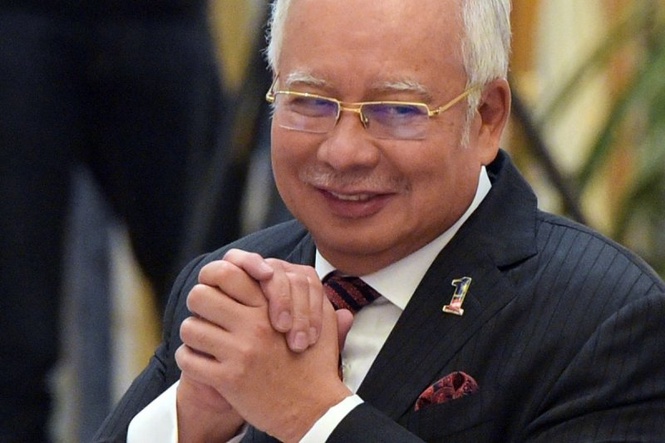
Ex-prime minister turned-prisoner Datuk Seri Najib Razak is probably the most high-profile inmate seeking a royal pardon, hoping for an early release from a 12-year jail term, a punishment he received as a convict of the SRC International case involving the misappropriation of RM42 million. He has the backing of his party UMNO, who are filing a royal pardon application on his behalf.
Several people have received royal pardons over the years, among them are prisoners on death row for murder, firearms- and drug-related offences.
How does the royal pardon process work in Malaysia? Here are several frequently asked questions, answered:
1. Who can file for a royal pardon and how often?
A royal pardon is usually the last resort after a person has exhausted all legal means in court. The prisoner, their family members or third parties may apply for a royal pardon on their behalf. A prisoner may send a petition to the Agong after his/her conviction for the first time. Later, they may file for pardon every 2 years. There is no limit on how many times a person may file for a royal pardon.
After 7 years in jail though, the petition for pardon will include a report of their conduct in prison and the effect of imprisonment on their health so the Rulers can decide if they want to grant an early release.
2. Which Ruler may grant royal pardons?
It depends on where the crime was committed. YDPA has the power to grant pardons for offences committed within the Federal Territories of Kuala Lumpur, Putrajaya and Labuan, while state Rulers have the power to grant pardons for offences committed in the states.
The YDPA will be involved with Najib's case as the offence was committed at AmIslamic Bank Bhd, 55 Jalan Raja Chulan, Kuala Lumpur, between Dec 26, 2014, and Feb 10, 2015.
3. Who is on the Pardons Board and what do they do?
The Pardons Board acts as an advisor to the Ruler. The Board would usually consist of five members, namely the attorney-general, the chief minister of the state and a maximum of three other members appointed by the King or the state ruler. For the Federal Territories, the Pardons Board will comprise Malaysia’s AG, the Federal Territories minister, and a maximum of 3 other members appointed by the Yang di-Pertuan Agong. Members can only serve 3 years, but the Rulers may reappoint them.
Board members would meet to discuss the application of a convict who seeks a royal pardon. Members will present their views in the meeting, which is always in the presence of a Ruler.
Past recipients of royal pardon
1. Harun Idris, 1982
A prominent case from the past happened in 1982 when Harun Idris, a Selangor state minister jailed for embezzling funds was granted a royal pardon after having served several years in prison.
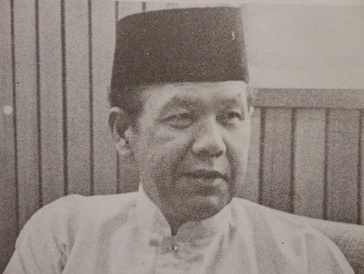
2. Dato’ Mokhtar Hashim, 1984
In 1984 Dato’ Mokhtar Hashim was pardoned from his death sentence after being convicted (in 1982) of murdering his political enemy, Mohamad Taha, the then-speaker of Negeri Sembilan. He was supposed to spend his life in prison but was pardoned again in 1991. The murder case itself remains uncertain, as there are those who believe that Mokhtar did not actually do it, but took the fall for the actual murderer, who is his loved one.

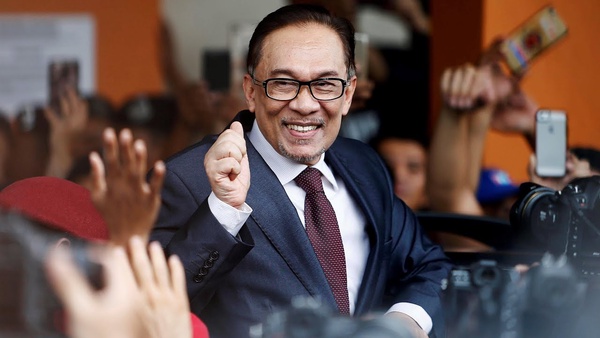
3. Anwar Ibrahim
The current PM received a royal pardon in 2018, having served time in prison since 2015.
Less prominent cases
Cases involving non-politicians include this one from 2015, when the Johor Sultan granted a royal pardon to an inmate convicted of murder when he was a juvenile. The Sultan also reduced 10 prisoners’ death penalties to life imprisonment.
The same year, the Sultan of Kelantan pardoned 7 death row prisoners on his 46th birthday. One was released from prison altogether while the remaining 6 served life sentences instead. He also rejected 30 other pleas for pardon at that time.
Rulers would express hope that these prisoners would put their “second chance” to good use.
What happens next?
In the event of a royal pardon, all legal punishments for the offences are removed. Any disqualifications are also removed.
For example, a Malaysian is disqualified from being a member of Parliament if he has been sentenced to at least one year in prison. However if they receive royal pardon, they will be released from jail and can become MP again.
Will Najib get his “second chance?” Let us know your thoughts in the comments below.

