.png)
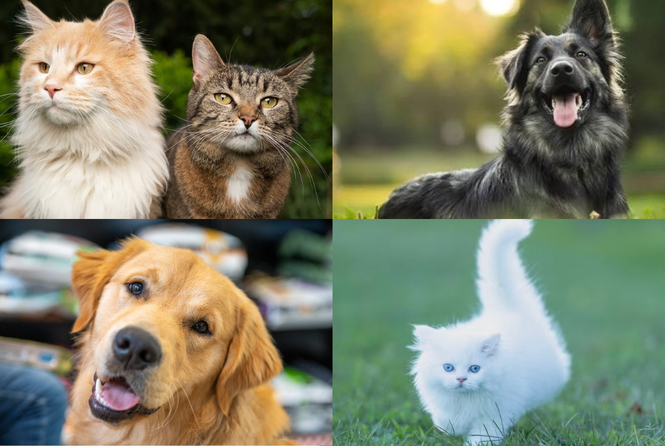
SHAH ALAM - Owning a pet is increasingly becoming a legal responsibility rather than a personal choice.
From mandatory microchipping and owner education to pet taxes, liability insurance and even laws against leaving social animals alone, governments around the world are tightening regulations as they grapple with rising abandonment rates, overcrowded shelters and mounting public costs.
The shift reflects a growing consensus among policymakers: preventing abandonment is more effective than managing its consequences.
1. Singapore: Licensing cats for the first time
For 35 years, keeping cats in Housing and Development Board (HDB) flats was prohibited. That changed when the Animal and Veterinary Service introduced the Cat Management Framework, allowing residents to legally keep cats in public housing under regulated conditions.
During the transition period ending on Aug 31, 2026, owners of up to two cats in HDB flats, or three in private properties, can apply for free licences and complete an online pet ownership programme.
From Sept 1, 2026, keeping an unlicensed cat will become an offence punishable by fines of up to SGD$5,000. Owners are also required to install window grilles or other safety measures to reduce the risk of cats falling from high-rise buildings.
2. Switzerland: No pet should live alone
Under the Animal Protection Ordinance, social species such as guinea pigs, rabbits and certain birds cannot legally be kept in isolation because doing so is considered detrimental to their welfare.
The law has even given rise to an unusual niche industry: temporary "companion rental" services that provide a partner animal after one pet dies, allowing the surviving animal to remain socially housed for the rest of its life.
3. Germany and Austria: Paying a tax to own a dog
Known as the Hundesteuer, or dog tax, the levy helps local councils fund municipal services while discouraging irresponsible ownership.
Annual charges typically range from €30 to €200 depending on the municipality, with significantly higher rates imposed on designated dangerous breeds and households with multiple dogs.
Guide dogs, working dogs and some rescue adoptions are generally exempt.

4. France: A mandatory cooling-off period
Under Law No. 2021-1539, first-time owners wishing to acquire a dog, cat, rabbit, ferret or horse must first sign a certificate acknowledging the animal's biological, behavioural and medical needs.
Ownership cannot be transferred until seven days have passed, giving buyers time to reconsider their decision.
France also imposes some of Europe's toughest penalties for animal abandonment, with offenders facing up to three years' imprisonment and fines of up to €45,000.
5. Spain: Preparing owners before they adopt
Spain's Animal Welfare Law aims to strengthen responsible ownership through education and accountability.
While implementation of some nationwide measures is still being finalised, the law envisions mandatory owner training and broader third-party liability insurance requirements for dog owners.
The reforms reflect a broader policy objective of ensuring prospective owners understand the long-term responsibilities of caring for an animal before bringing one home.
6. United Kingdom: Every pet must be traceable
Dogs have been required to be microchipped since 2016, while regulations introduced in England now require all domestic cats to be microchipped before they reach 20 weeks of age. Owners who fail to comply can receive formal notices and financial penalties.
Authorities say microchipping not only reunites lost pets with their owners more quickly but also discourages abandonment by ensuring animals can be traced back to those legally responsible for them.
7. Japan: From breeder to owner
Under the revised Act on Welfare and Management of Animals, commercial breeders and pet shops must microchip every dog and cat before sale and register the information in a national database.
New owners are then legally required to update the database with their own details, creating an unbroken chain of accountability from breeder to purchaser. The system also assists authorities during natural disasters by making it easier to reunite displaced animals with their owners.
Although each country has adopted a different approach, the direction of travel is remarkably similar, governments are moving beyond traditional anti-cruelty laws towards preventive policies that encourage responsible ownership before problems arise.
As Malaysia reviews its own approach to stray animal management following recent public debate, these international examples demonstrate that the conversation is no longer simply about controlling stray populations.
It is increasingly about ensuring every pet has a responsible owner long before it ever risks becoming one.