Table of Contents
From highballs to cocktails, Japanese whisky becoming more approachable, versatile, social
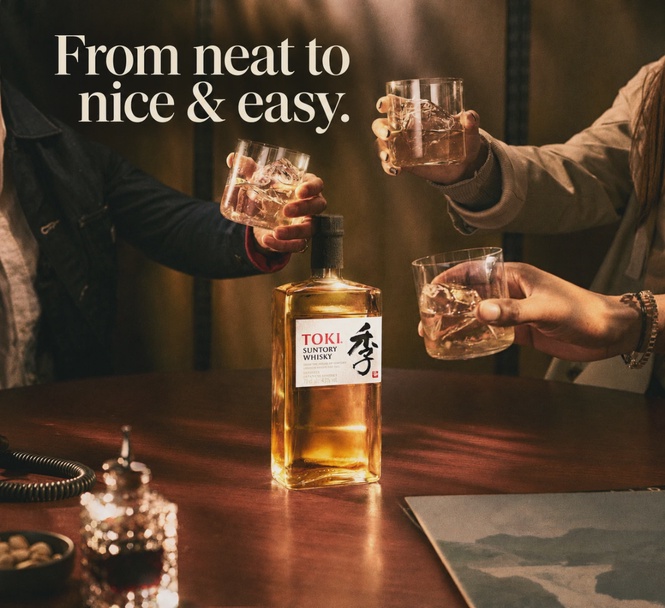
For years, whisky in Malaysia carried a certain image. It was something to sip slowly, usually neat or over ice, and often associated with formal dinners, business gatherings or seasoned drinkers who already knew their way around a bottle. That perception is changing.
As Malaysia’s cocktail scene continues to mature, whisky is increasingly finding its way into more relaxed settings. Highballs are appearing alongside cocktails, bartenders are experimenting with different serves and younger drinkers are approaching whisky with curiosity rather than intimidation. House of Suntory brand ambassador of Malaysia Darwin Ng believes this shift reflects a broader change in how people engage with spirits.
“Today, we are seeing a new generation of drinkers approaching Japanese whisky with a different mindset. They are not only curious about the liquid itself, but also the stories, philosophy and craftsmanship behind each expression,“ he told theSun.
The result is a drinking culture that is less concerned with following a prescribed way of enjoying whisky and more interested in discovering what works for each individual.
From formal pours to social occasions
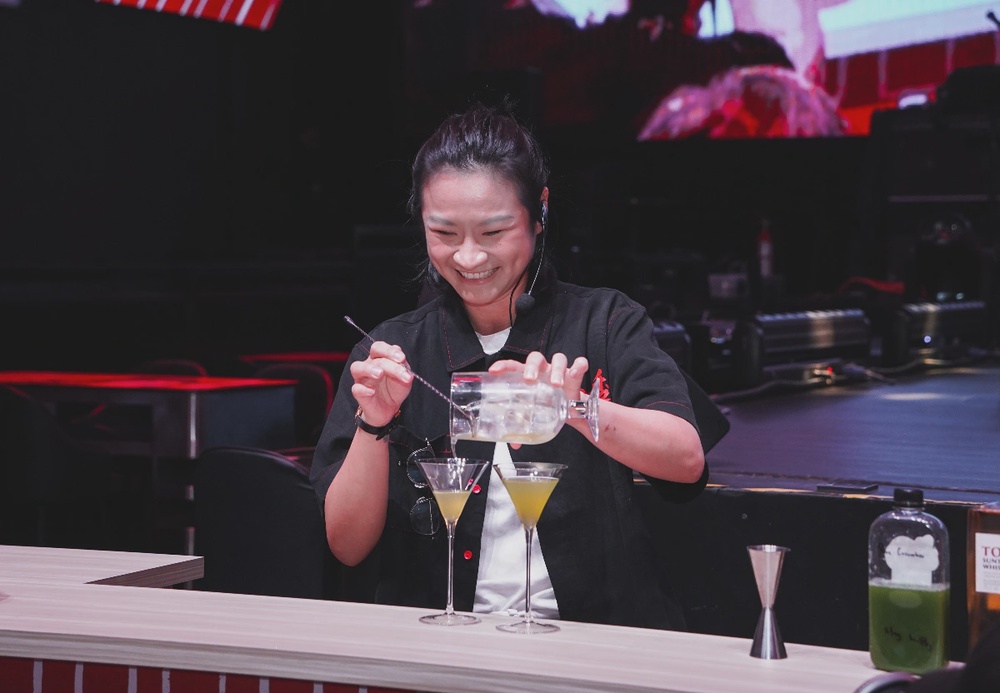
Whisky has traditionally been associated with a certain level of formality. But the rise of cocktail bars and more relaxed drinking spaces has given consumers more opportunities to explore the spirit outside those conventions. TeRu.Mi Bar co-founder and bar director of Shirmy Chan has noticed a change in the type of customers walking through the doors.
“Traditionally, whisky was often associated with success, status and more formal occasions, commonly enjoyed during business lunches or dinners. What I see changing is the growing curiosity among younger consumers and newer whisky drinkers,“ she said.
That curiosity extends beyond the whisky itself. Consumers want to understand its flavour profile, origins and craftsmanship, while also discovering how it can work in different drinks.
Reka:BarC co-founder and bar manager Joel Poon has observed a similar shift, noting that customers today have a clearer understanding of their personal preferences while remaining more flexible about how they drink.
“It is less about following a fixed way of drinking whisky, and more about discovering what works best for them,“ he said.
Why cocktails are changing the whisky conversation
For someone who has never considered themselves a whisky drinker, a neat pour can feel like an intimidating starting point. Cocktails can provide a softer introduction.
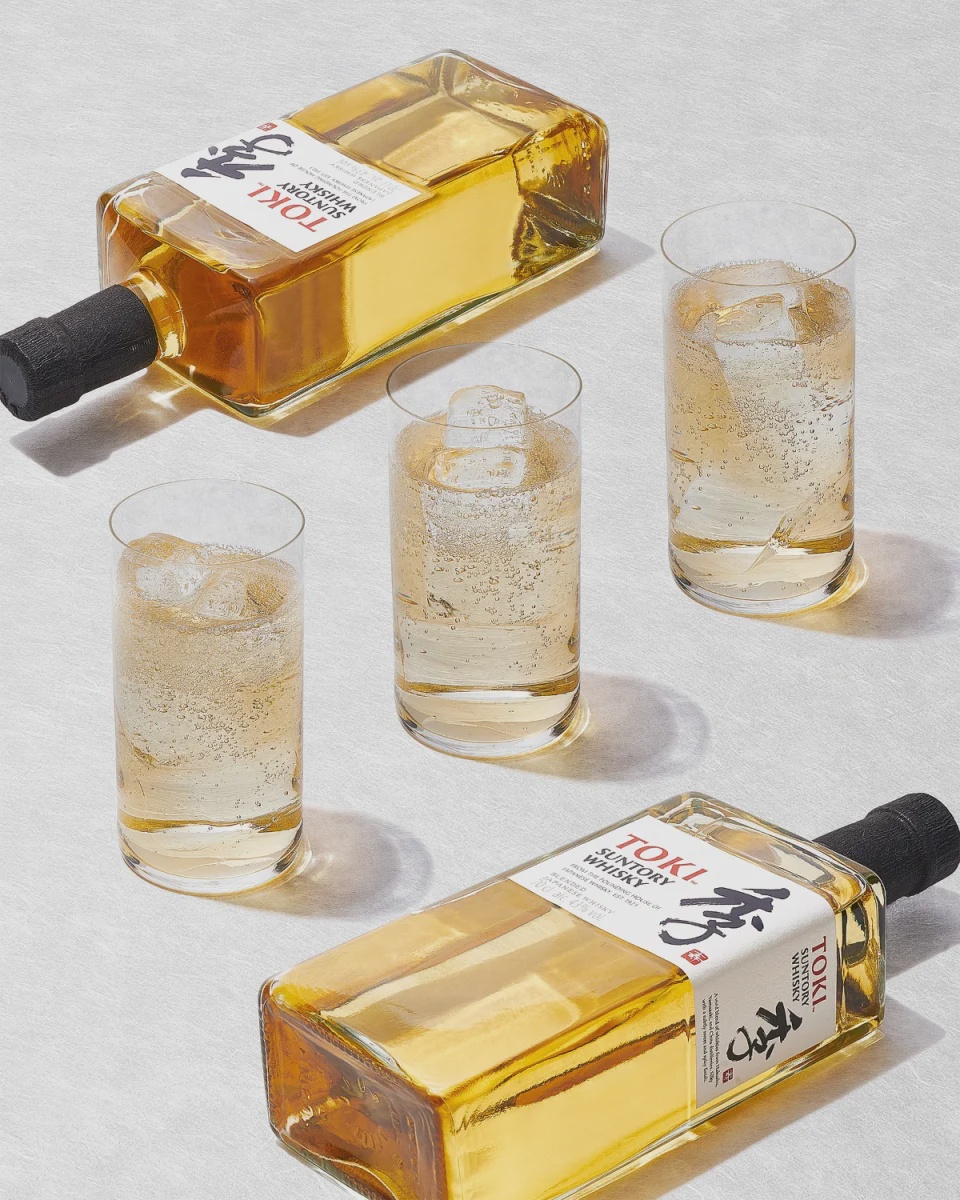
Rather than confronting a spirit’s full character immediately, drinkers can experience its flavours alongside familiar ingredients. A well-made Highball, for instance, offers a refreshing way to explore whisky without overwhelming the palate. Chan believes bartenders have an important role in making that experience more accessible.
“Bartenders and bar operators play an important role as the bridge between brands and consumers. A bartender is not simply selling a drink, but sharing knowledge, creating an experience and helping consumers understand what makes a whisky unique,“ she said.
That relationship between bartender and guest is particularly important in Malaysia’s growing cocktail scene, where bars are increasingly becoming spaces for discovery rather than simply places to order drinks.
Poon said concept bars have also opened up new possibilities for whisky, allowing establishments to interpret the spirit according to their own identity and style.
“Consumers are no longer limited to choosing between neat or on the rocks. They are more willing to explore different serves and discover how whisky can take on new expressions while still retaining its identity,“ he said.
The bartender as the gateway
The changing whisky culture is not happening in isolation. Malaysia’s bar scene has become more diverse, with establishments developing distinct concepts and putting greater emphasis on hospitality and education.
For Chan, that human element can determine whether someone develops an interest in whisky. “Before someone develops confidence in a whisky, they often first develop trust in the person introducing it to them,“ she said.
That trust can turn a simple cocktail into the beginning of a much longer exploration. A guest may start with a whisky-based cocktail, become curious about the spirit behind it and eventually try it with ice or neat. The progression is not about replacing one drinking style with another, but allowing consumers to find their own preferences. Poon agreed that education has become increasingly important.
At Reka:Bar, he said the team takes time to understand the background, origins and flavour profile of the spirits they feature. That knowledge allows bartenders to create experiences that communicate the story behind a drink without making the guest feel as though they are attending a whisky lecture.
Japanese whisky meets Malaysian curiosity
Growing interest in Japanese spirits is also part of a wider Malaysian fascination with Japanese food and culture. Poon believes the country’s familiarity with Japanese cuisine has helped create a natural curiosity about its drinks. “Malaysians are naturally curious and well-travelled, so exposure to Japanese culture, cuisine and craftsmanship has contributed to growing interest in Japanese spirits as well,“ he said.
Chan has observed a similar progression among cocktail drinkers. Someone may first encounter Japanese whisky as part of a cocktail before becoming interested in the spirit itself. As that familiarity grows, so does the willingness to explore different expressions and serving styles. For Ng, this represents an opportunity to make Japanese whisky more approachable without losing sight of its heritage.
“It is not about moving away from tradition, but rather expanding the ways consumers can connect with Japanese whisky,“ he said.
More flexible future for whisky
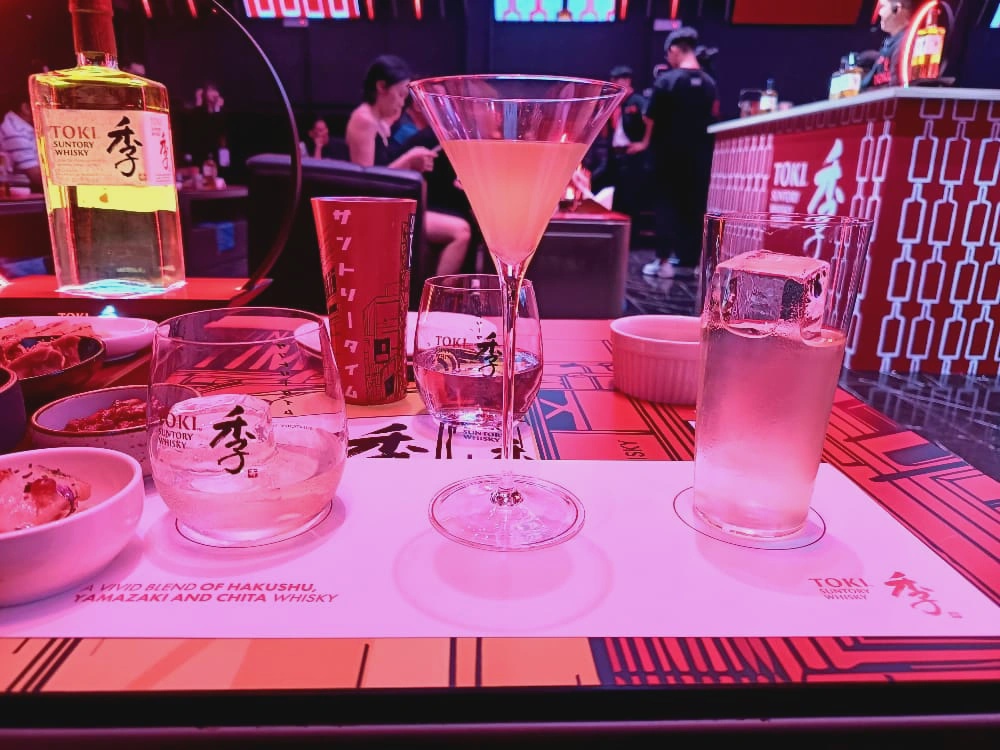
The future of whisky in Malaysia may therefore be less about choosing between traditional and contemporary drinking. Instead, it could be about having more ways to enjoy the same category.
Neat pours will always have their place. So will whisky on the rocks. But alongside them are Highballs, cocktails, food pairings and casual social occasions that allow a wider group of consumers to discover the spirit.
Malaysia’s price-sensitive market may also influence this evolution, with Poon expecting interest in lighter, more approachable serves to continue growing.
For Chan, however, the bigger shift is cultural. As consumers become more knowledgeable, they are increasingly choosing drinks based on what genuinely appeals to them rather than what whisky is supposed to represent. That may ultimately be the most significant change of all. Japanese whisky is no longer confined to the quiet corner of a whisky bar or the formal dinner table.
It is becoming part of conversations, meals, nights out and casual gatherings. And in a country where drinking culture continues to evolve, perhaps the future of whisky is not about drinking it the “right” way. It is about finding your way.
READ MORE:
Lyfes Dining: 3 of Klang Valley’s hottest hotel buffets worth checking out
How Value Food is helping Malaysians reduce food waste
Lyfe Dining: 3 Japanese restaurants in KL for every craving
5 ways to reconnect with friends this International Friendship Day