When Yamini* was approached by a stranger in the street as she was walking home on a June evening, her first thought was that she might be in danger.
“I was a little startled,” the 35-year-old professor living in Kolkata, India tells The Independent. Her name has been changed to protect her identity.
“It was about 8.15pm and it’s not the most populated patch of land where he stops me. So I’m also wondering, did I drop something – or is he going to stab me?”
The man who approached her said he had spotted her from a distance and thought she was “cute”. Wanting to end the encounter quickly and hoping he wouldn’t follow her home, she responded politely before walking away.
What she did not realise at the time was that the encounter was being secretly recorded using the man’s Ray-Ban Meta smart glasses. She only found out because one of her students told her the next day that she featured in a video on the man’s Instagram feed – that he was a so-called “pick-up artist” using their interaction as an example of how to approach women on the street.

Over the following days, more colleagues began sending Yamini messages about the video, which was by that point being widely shared with a misspelled caption reading: “Whe you approach senior women”. The video had garnered 2.3 million views.
Yamini’s case is not an isolated one, with examples being reported around the world of women being subjected to unsolicited advances that are then broadcast to potentially millions of people online, many without the women involved being aware of the recording.
Earlier this year, 22-year-old British student Isobel Thompson spoke out about feeling “violated” and “scared” after a man recorded her with his Meta smart glasses, saying he planned to post the interaction on social media to “boost men’s confidence”.
Meta is now facing legal action in India from the Internet Freedom Foundation, which has sent a legal notice to the tech giant on Yamini’s behalf. The notice demands “removal of every copy, cessation of all contact, disclosure of the device and the Meta account it is paired with, preservation of evidence, an account and disgorgement of profits, an apology, suspension of monetisation”, and Rs20.5million (£160,000) in compensatory and exemplary damages.
This is the IFF’s second legal notice to Meta over the smart glasses. Earlier, a notice was sent on behalf of a Delhi man who says he was harassed in the street by a stranger wearing Ray-Ban Meta glasses. A video posted on social media of their exchange, which the complainant did not know was being recorded, has received close to half a million views, over 15,700 likes and more than 500 comments, many mocking the alleged victim.
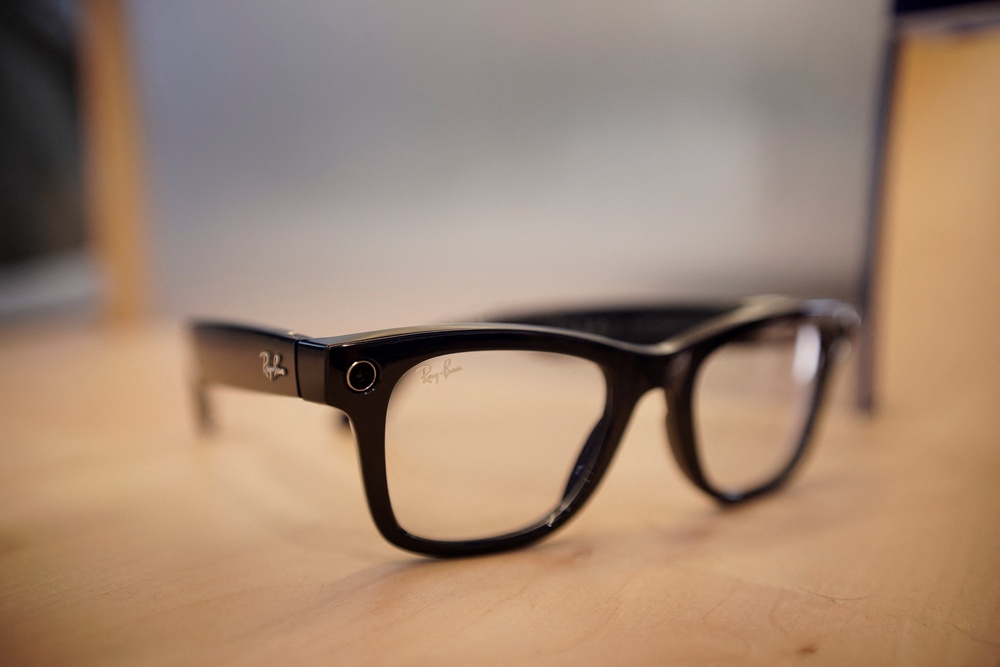
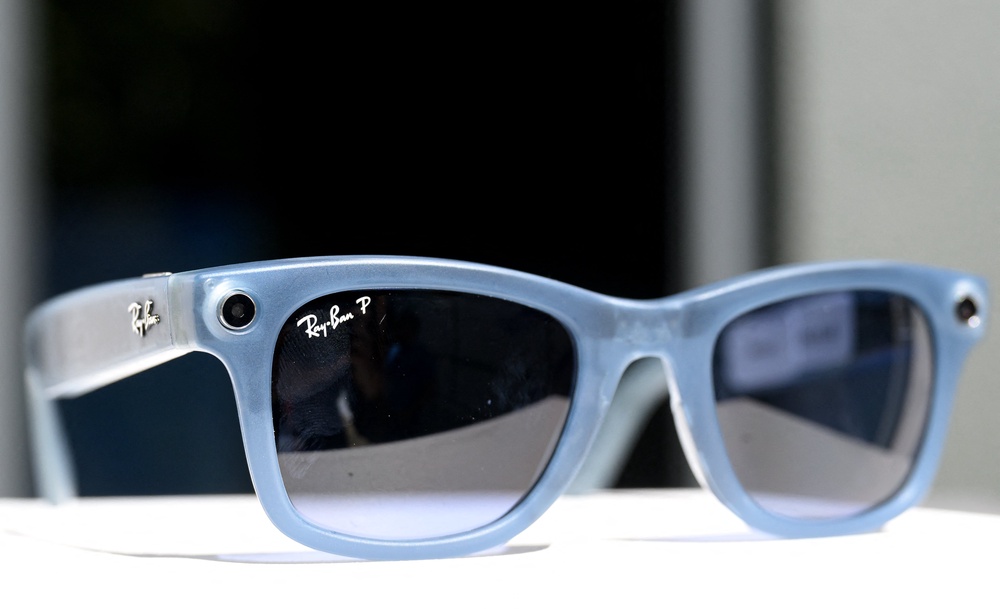
Ray-Ban Meta smart glasses have been sold in India since May 2025, with prices starting at Rs 29,900 (about £230). Meta's position is that it has built privacy safeguards into the glasses. It markets Ray-Ban Meta glasses for hands-free photography and video calls, music and AI assistance. The company says an LED indicating to others that the glasses are recording cannot be switched off, and that attempts to cover it can disable the camera. Meta has also said that photographs and videos captured for a user's gallery remain on the device unless the user chooses to share them.
But Yamini is adamant that there was no recording light showing on the glasses of the man who approached her at night. She says the possibility that ordinary-looking glasses could contain a camera had simply not occurred to her.
She only found out from watching the video back online that the man had actually been following her for some time before he approached, something she says made the encounter feel much more serious than the brief conversation alone.
“I found out that he was stalking me from the video itself,” she says. “Through the video I find that he’s been looking at me for a while, and he’s decided [to approach], which makes it so much more dangerous to me.”
When she looked at the creator’s social media page she realised she was not the only woman he had filmed with his smart glasses, with videos inviting comments from his followers who discussed, scrutinised and rated the women’s appearances.
“A lot of the ridicule and the comments were actually about how I looked and walked. He’s made my physical body up for consumption,” she says.
Yamini tried to get the video removed from Instagram, but the process proved impossible as none of the complaint options addressed her concerns. This is despite Meta’s head of Instagram Adam Mosseri announcing a crackdown in July on videos shot using Meta glasses that feature harassment of strangers in public places.
He said: “If you're posting content that is taking advantage of people and harassing them, like a lot of these pickup line kind of videos that we've heard of and seen, then we're going to take the content down. We don't want people to be surreptitiously taking videos of other people and harassing them and then posting them on our platform. So we're trying to fight that every way we can."
Meta also has policies against bullying and harassment that prohibit such content on its platform, regardless of the device used to capture it. This includes content in which individuals are harassed by sexualising them or providing unwanted physical descriptions.
Among the measures taken to prevent accounts from disseminating such content is a block on search terms and hashtags like “rizz”, “pickup artist” and “cold approach”.
Yet The Independent checked and was able to verify that words like “rizz” were frequently used by the content creator in Yamini’s case and continued to be platformed at the time of this report.
After several days of struggling to get Meta to take down the video, Yamini went with a friend to the police station. She says it was initially difficult to get officers to take her complaint seriously, but a case was eventually registered under several sections of the penal code including wrongful restraint, voyeurism and stalking.
For Yamini, the most lasting consequence of the episode is the impact it has had on her trust in other people, something that would have been totally different if the man had filmed her overtly on a mobile phone.
“If it was a cell phone... if that phone comes up [to record you] then I have a say in it, and I can say that I don’t want to be recorded.” With glasses, she says, “there’s no question of somebody even resisting, forget autonomy and all of that. I don’t have any agency.”
The encounter has also changed her own behaviour. For a period, she says, anyone who approached her made her wonder whether they were recording her. She considered wearing a mask outside. She spent less time outdoors.
In the classroom, she says, she became conscious that asking students not to record on their phones might no longer be enough because she could not know whether someone was recording with a hidden wearable device.
“I’ve turned very paranoid,” she says. “I don’t want to be suspicious of everybody that I see. I would like to speak to people in my neighbourhood and be able to assert that I don’t want to be a part of a video.
“I don’t want to look at people with suspicion,” she says.
When approached by The Independent, Meta confirmed that the alleged harassment video involved in the IFF case had been taken down. The video in Yamini’s case has also been deleted by the creator.
“More and more people use our AI glasses because they’re genuinely helpful in everyday moments like listening to music, getting live translation while traveling, or making a call hands-free. The people who use them and those around them need to trust them,” a Meta spokesperson told The Independent.
“That's why we built privacy into our AI glasses from the ground up. For example, every pair has a capture LED that blinks when you take a photo or video that you can save or share, it can’t be turned off, and if someone covers or damages the LED, the camera is disabled. We will keep strengthening our protections as our glasses become even more capable.”
Read MoreProtesters fight to save elephants from becoming ‘gifts’ for temples
India summons Pakistani diplomat over collision between two naval vessels
Taliban release ‘terrified’ Indian backpacker on her solo trip to Afghanistan
Driver detained on attempted murder charge after viral hit-and-run video
Bangladesh says two stolen lemurs may have been taken to billionaire’s zoo in India
India is having a spirited debate: Is its most famous rum actually rum?