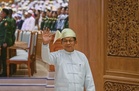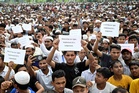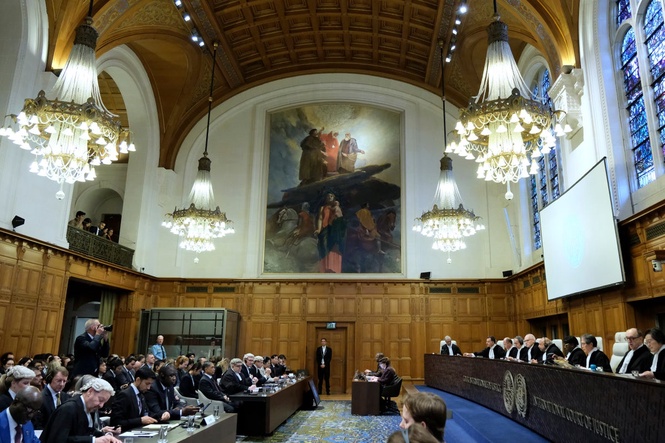
The United Nations' top court has, for the first time, ruled that a nation committed what legal scholars call the crime of crimes, finding that Myanmar committed genocide in a brutal 2017 military crackdown against the Rohingya minority.
The decision by the International Court of Justice, seven years after the case was filed, marked the first time the court held a state responsible for genocide.
The ICJ has been asked to reach that conclusion before, but never found enough evidence to determine a state-sponsored genocide like the one targeting the Rohingya.
A panel of 15 judges found "that the Republic of the Union of Myanmar has committed genocide against the Rohingya group in Northern Rakhine State."
It said "the only reasonable inference that can explain Myanmar's actions is an intention to destroy a substantial part of the protected group, namely the Rohingya population in Northern Rakhine state," meeting the legal threshold for genocide.
The World Court has more cases on its docket dealing with alleged breaches of the 1948 Genocide Convention, including a politically charged case about Israel’s actions in Gaza.
1. Bosnia-Serbia: The Srebrenica genocide
What happened: The Srebrenica massacre was a peak in the violence of Bosnia’s 1992-95 war, which came after the breakup of Yugoslavia unleashed nationalist passions and territorial ambitions across the region.
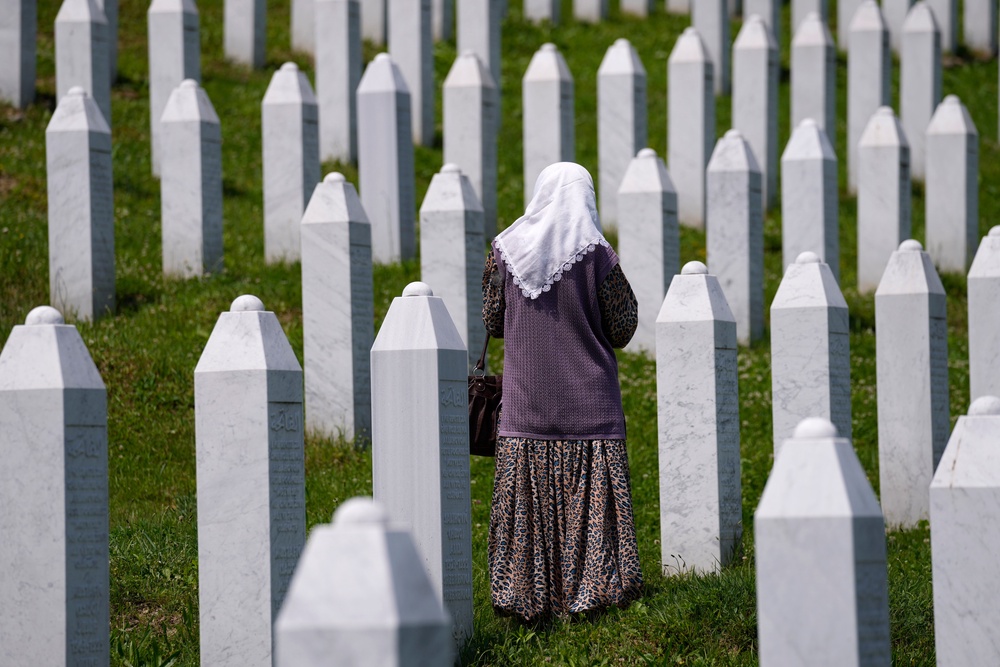
On July 11, 1995, Serbs overran Srebrenica, at the time a UN-protected safe area. They separated at least 8,000 Bosniak men and boys from their wives, mothers and sisters and slaughtered them. Those who tried to escape were chased through the woods and over the mountains around town.
How the court ruled: The court, basing itself in part on verdicts at a United Nations war crimes tribunal, said in a 2007 ruling that the Srebrenica killings amounted to genocide. However, it did not find Serbia responsible. It did find Serbia had violated its obligation to prevent genocide. That obligation is enshrined in the 1948 Genocide Convention.
2. Croatia-Serbia: Attacks on Croatian regions
What happened: In another war that erupted out of the messy breakup of Yugoslavia, Serb forces attacked several regions of neighbouring Croatia, killing and wounding Croat citizens.
Croatia accused Serbia of controlling forces responsible for attacks from 1991-95 that Zagreb said amounted to genocide.
How the court ruled: In a 2015 decision, the court said that it found genocidal acts, but said it did not establish genocidal intent. Under the Genocide Convention, intent to destroy a group, in whole or in part, is necessary for a finding of genocide.
3. South Africa-Israel: The Gaza conflict
What happened: Israel launched a devastating military campaign in Gaza following Hamas’ October 7, 2023, attack, when militants stormed through Israeli communities, killing some 1,200 people and taking about 250 people hostage.
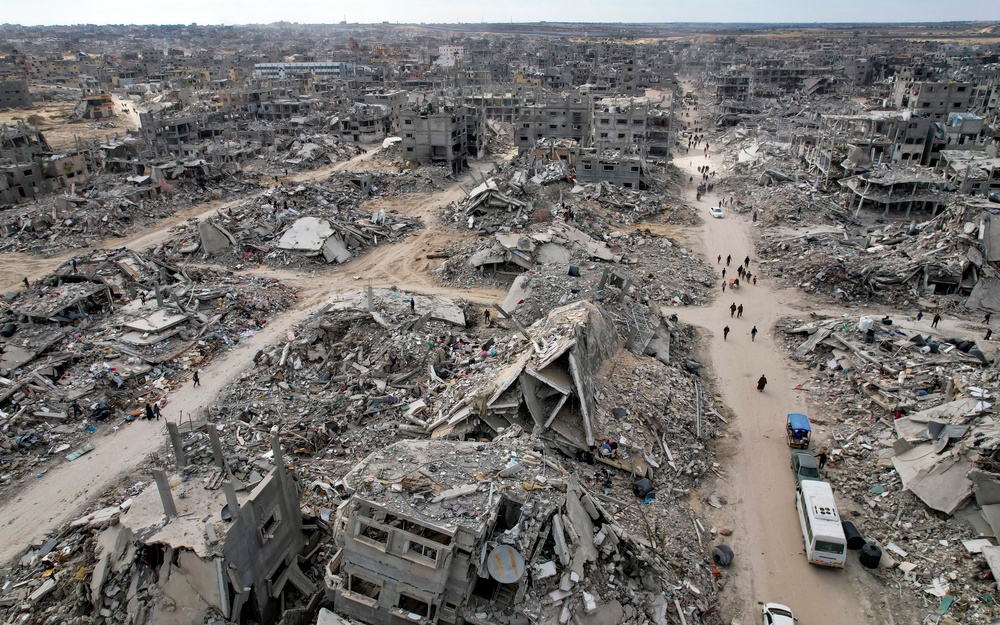
The Israeli campaign has laid waste to much of the Gaza Strip and killed more than 74,000 people, according to Gaza's health ministry, which does not distinguish between civilians and militants.
South Africa has accused Israel of breaching the genocide convention during its offensive, a claim Israel vehemently denies. At public hearings, Israel insisted that its war in Gaza was a legitimate defence of its people and that it was Hamas militants who were guilty of genocide.
How the court ruled: In a 2024 interim ruling, the court ordered Israel to do all it can to prevent death, destruction and any acts of genocide in Gaza. Israeli Prime Minister Benjamin Netanyahu said the fact that the court was willing to discuss the genocide charges was a “mark of shame that will not be erased for generations.”
There has been no ruling yet on the merits of the case, and there won't be for years. Israel has until May 2029 to file written arguments and only then can the court schedule public hearings. A final ruling could only come months or years after hearings.
Professor Janina Dill, an Oxford University expert on international law and the use of force, said in a statement that the Myanmar ruling “is very instructive of how the Court approaches some of the crucial questions that it faces in other pending genocide cases, including the polarising case of South Africa versus Israel.”
She said the 9-6 majority in the Myanmar genocide and a number of separate and dissenting opinions from judges “highlight the lingering doctrinal complexities.”
4. Ukraine-Russia: Moscow's war on Ukraine
What happened: Russia invaded Ukraine in February 2022, after earlier illegally annexing the Crimean Peninsula.
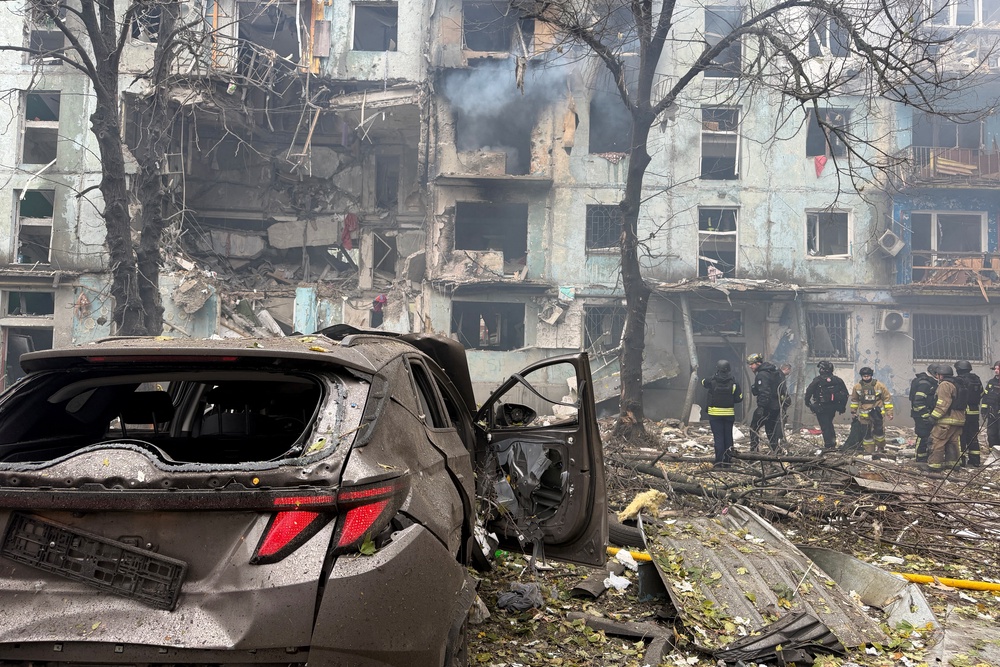
Shortly after the invasion, Ukraine filed a case accusing Russia of fabricating genocide claims against Ukraine to justify the attack.
Kyiv argues that those claims amount to a breach of the Genocide Convention.
How the court ruled: The court has already thrown out much of the case. Judges said they have jurisdiction to rule on a request by Ukraine for a declaration that Kyiv is not responsible for genocide, but not on other aspects of the case. Like the South Africa-Israel case, this is at an early stage of proceedings and no final decision on the merits is expected for years.