
Table of Contents
Twenty years ago, admitting you loved pop music as a teenage girl often came with an unspoken apology.
Songs about first crushes, glittery stage outfits and synchronised dance routines were dismissed as shallow entertainment, while the artistes behind them were criticised for being manufactured, overly commercial or lacking artistic credibility.
Music embraced primarily by young women was rarely afforded the same respect as rock, indie or hip-hop, as though femininity itself somehow made something less worthy of serious discussion.
Looking back, that criticism reveals far more about society than it ever did about the music.
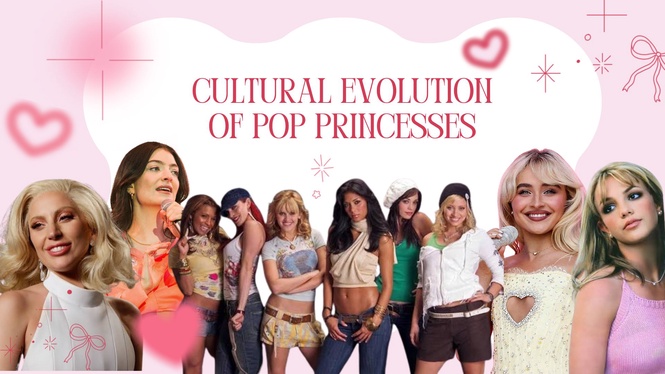
Today, Sabrina Carpenter headlines sold-out arenas while performing tongue-in-cheek anthems in sequinned corsets.
Lady Gaga is recognised as one of the most defining artistes of the 21st century.
Britney Spears is remembered not only as a pop icon but also as a symbol of media exploitation, resilience and female autonomy.
What was once dismissed as “girly pop” has become one of popular culture’s most influential movements, proving femininity was never the weakness critics believed it to be.
The genre has endured because it has never stood still.
Every generation has produced its own pop princesses, each reflecting changing ideas about confidence, identity and womanhood while giving young audiences permission to embrace different versions of themselves.
90s headliners
At first glance, girly pop has always looked deceptively simple.
The glitter, catchy hooks and elaborate choreography often overshadowed the conversations happening beneath the surface, yet the genre has consistently mirrored the cultural expectations placed on women and how those expectations continue to evolve.
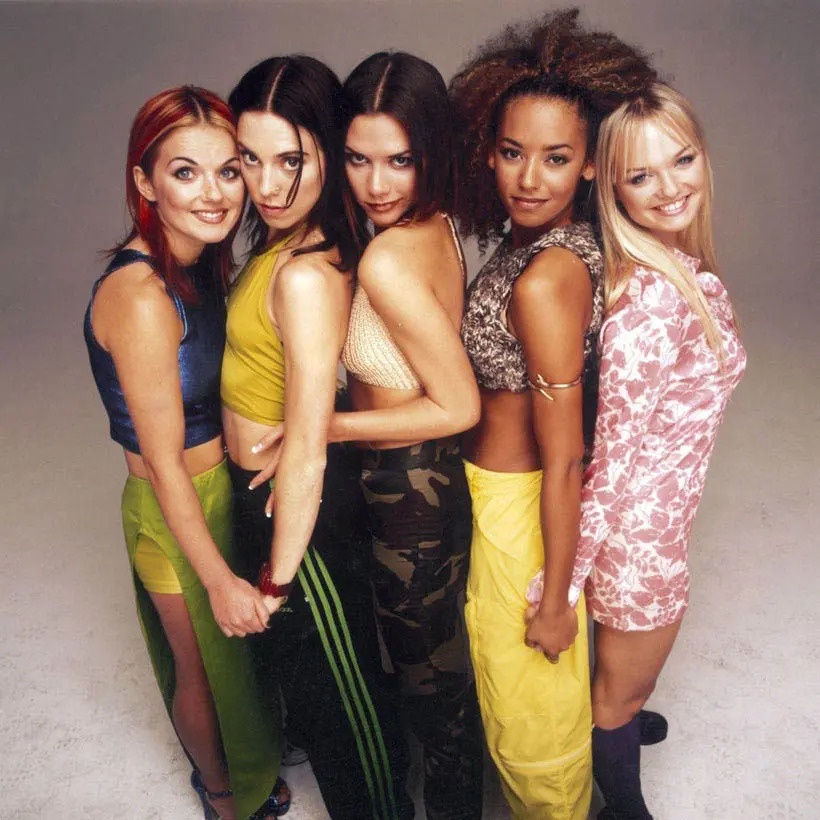
When the Spice Girls burst onto the scene in the late 1990s, they did more than dominate the charts with hits such as Wannabe.
Their slogan, “Girl Power”, encouraged young girls to celebrate friendship over competition at a time when female success was often framed as something that could only belong to one woman at a time.
Although the phrase was eventually commercialised, its original message was surprisingly progressive, promoting solidarity, confidence and individuality in a mainstream pop landscape.
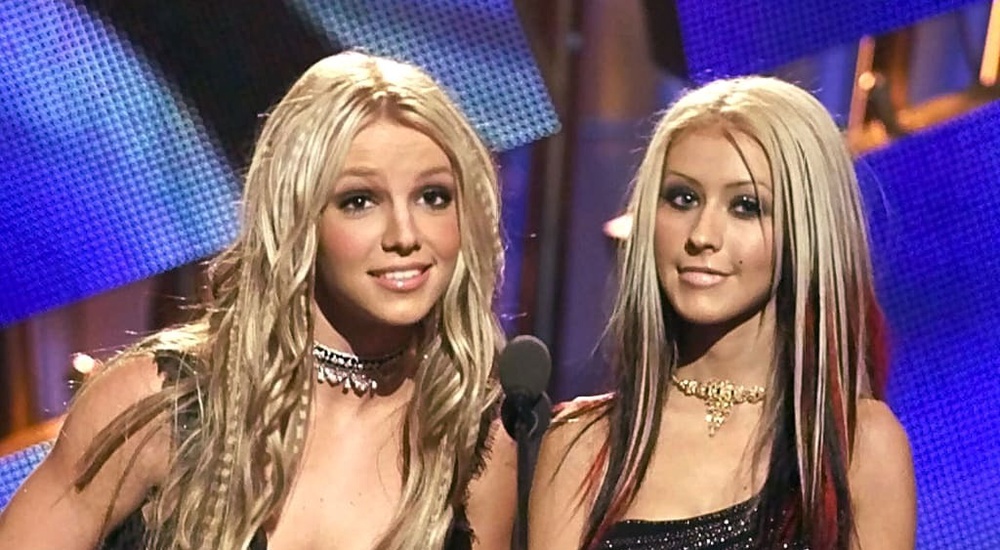
Britney Spears and Christina Aguilera soon followed, becoming two of the defining faces of early 2000s pop.
Spears represented the fantasy of global superstardom, influencing fashion, choreography and celebrity culture in ways that continue to shape pop today.
Aguilera, meanwhile, offered something more introspective. Through albums such as Stripped, she explored self-worth, vulnerability and sexuality with an honesty that challenged expectations of what female pop stars could discuss.
Then came The Pussycat Dolls, whose polished choreography and unapologetically glamorous performances transformed femininity into spectacle.
The group’s songs celebrated confidence without asking for validation, demonstrating that embracing glamour did not automatically diminish artistic ambition. Collectively, these artistes became more than chart-toppers.
For many millennials, they formed the soundtrack to childhood bedrooms, school discos and countless hours spent copying dance routines in front of bedroom mirrors.
They also quietly expanded ideas of what confidence could look like, showing there was no single way to be feminine.
Reclaiming femininity
By the late 2000s, however, the cultural conversation began to shift.
Electronic dance music, indie pop and hip-hop increasingly dominated mainstream charts, while female artistes often appeared under pressure to distance themselves from anything perceived as excessively “girly”.
Seriousness became associated with darker aesthetics, minimalist production and emotional restraint, creating the impression that femininity and artistic credibility existed on opposite ends of the spectrum.
In reality, femininity was never disappearing. It was simply evolving.
Lady Gaga challenged conventional ideas of pop stardom by proving theatricality and artistic depth could coexist.
Beneath the headline-making outfits and extravagant performances was an artiste using pop music to explore identity, acceptance and belonging while encouraging audiences to embrace what made them different.
At almost the same moment, Lorde represented the opposite end of the spectrum.
Her understated image, introspective songwriting and minimalist production rejected many of the visual expectations surrounding female pop stars. Yet she was no less influential.
Rather than rejecting femininity, Lorde broadened its definition, demonstrating women did not need sequins or elaborate choreography to command attention.
Although their approaches differed dramatically, both artistes challenged the notion that women needed to conform to a particular image to be taken seriously.
Girly pop renaissance
Today’s generation has inherited that freedom and rather than choosing between glamour and authenticity, artistes now move comfortably between humour, vulnerability, confidence and self-awareness because audiences increasingly recognise that femininity is neither fixed nor one-dimensional.
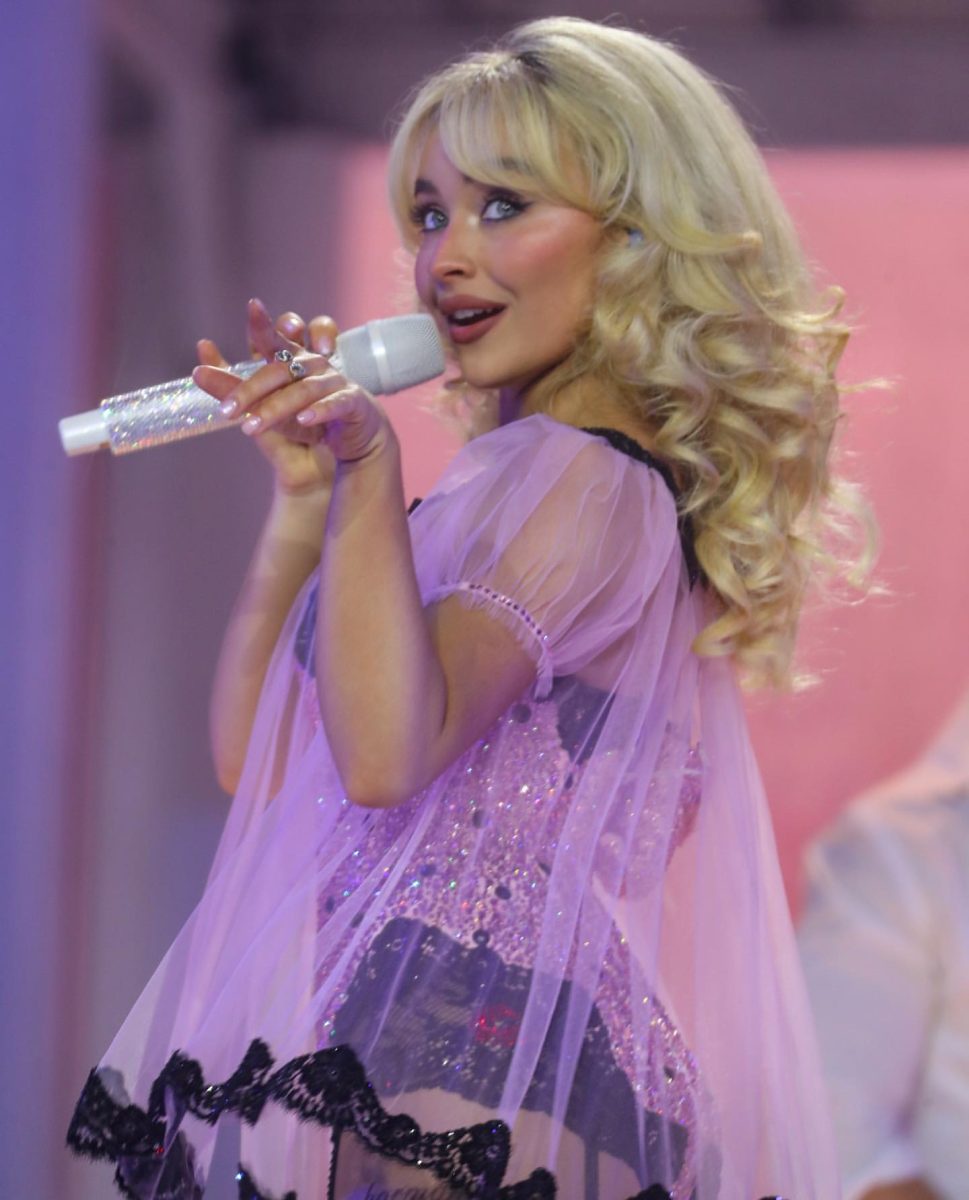
No artiste captures this cultural shift more clearly than Sabrina Carpenter.
Her rise has been fuelled by playful songwriting, vintage-inspired fashion and performances that deliberately embrace hyperfemininity.
Corsets, pastel colours, glitter and flirtatious humour are no longer presented as guilty pleasures or relics of an outdated pop era.
Instead, Carpenter reclaims them with complete self-awareness, turning aesthetics that previous generations were mocked for enjoying into symbols of confidence and control.
Elsewhere, Ariana Grande balances powerhouse vocals with emotional openness, while Billie Eilish has redefined femininity through oversized silhouettes, understated visuals and deeply personal songwriting.
Swedish pop star Zara Larsson similarly combines polished dance-pop with outspoken advocacy on issues including gender equality, demonstrating that commercial success and social awareness are not mutually exclusive.
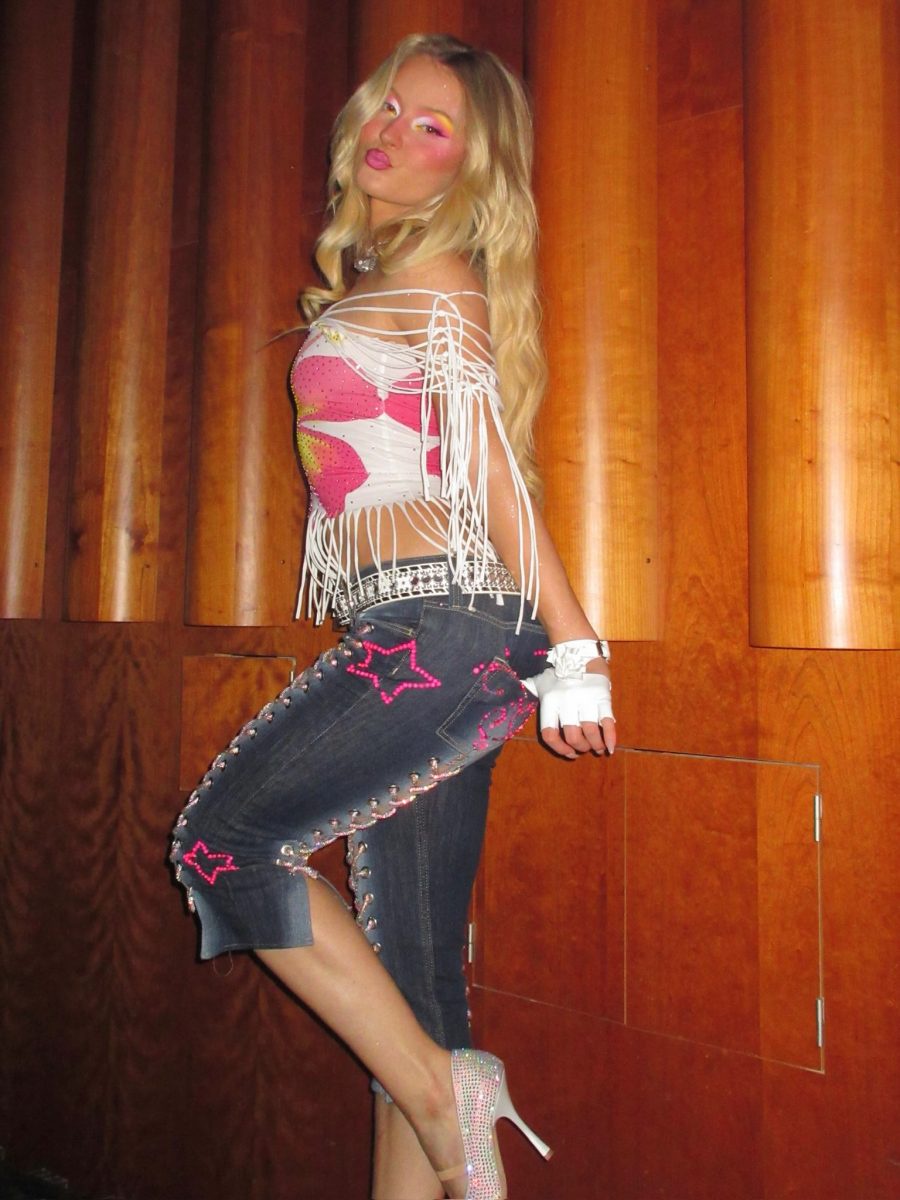
What unites these artistes is not a shared aesthetic, but the freedom to define femininity on their own terms.
Some wear sequins, others oversized hoodies. Some perform intricate choreography while others remain almost motionless behind a microphone.
Their differences illustrate just how much the genre has expanded.
Was girly pop ever gone?
Perhaps that is why girly pop continues to outlive every prediction of its decline.
Today, an album is no longer simply a collection of songs but has become a visual identity, a fashion movement, an online conversation and a shared cultural experience. Fans do not just stream the music.
They recreate the makeup, copy the outfits, learn the choreography and participate in communities that extend far beyond concerts or playlists.
For many young women, girly pop becomes one of the earliest spaces where self-expression feels encouraged rather than judged.
Whether experimenting with fashion, singing into a hairbrush or finding comfort in lyrics that articulate emotions they cannot yet explain, these artistes offer permission to explore identity rather than apologise for it.
The messages have changed over the decades, but the core remains remarkably consistent.
From challenging conventional beauty standards to reminding a new generation that embracing traditionally feminine aesthetics does not make someone any less intelligent, ambitious or creative, girly pop has consistently encouraged women to define themselves on their own terms. That is why the phrase “girly pop” feels different today.
Once used dismissively, it has become a celebration of creativity, confidence and individuality in all their different forms.
Girly pop has never simply been about pop music. It has always been about growing up alongside women who continuously redefine what femininity can look like, proving that embracing it was never something to apologise for in the first place.
READ MORE:
(Review) Voicemails for Isabelle: Is this Netflix rom-com worth watching?