If you’ve got off-street parking, installing a home charger is one of the biggest benefits of switching to an electric car. You can plug in when you get home, charge while you sleep and, on the right electricity tariff, pay much less per mile than you would using most public chargers – or way less than you would filling a petrol or diesel car.
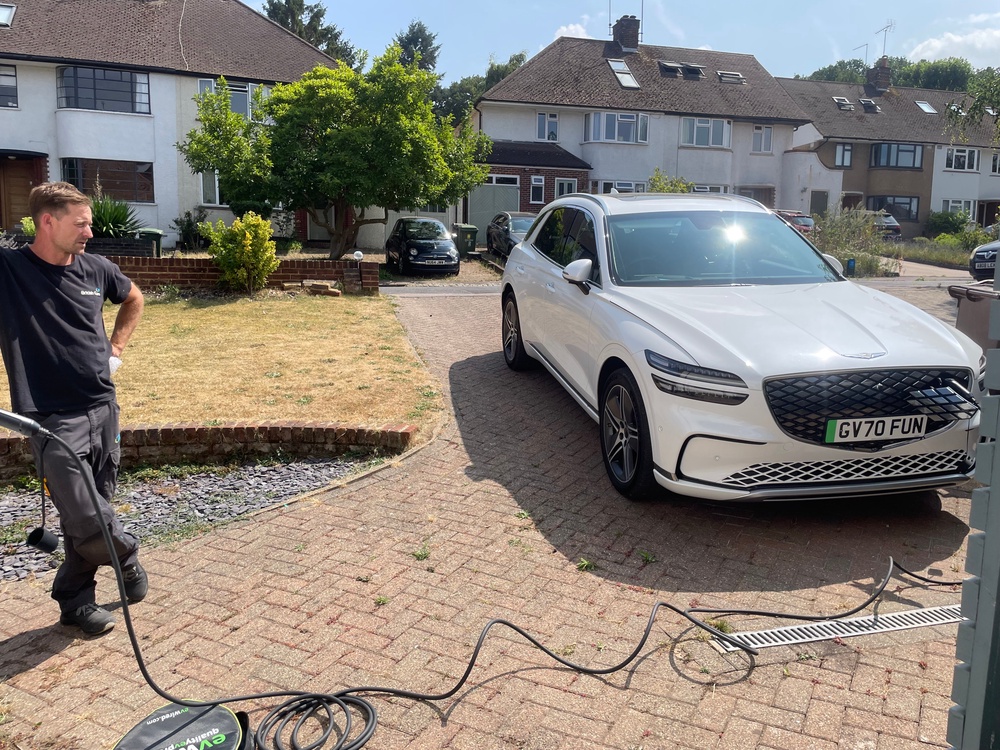
The Independent’s Simon Best has just had a Hive charger installed at home, so we followed the process from the first survey to plugging in his car. His experience is a useful guide, although every house and installation will be slightly different.
Susan Wells, Director of EV & Solar at Hive, says the starting point for any potential EV owner should be your driving. “Think about how many miles you typically drive in a day, whether you regularly make long journeys, and where you'll be doing most of your charging,” she said. “Once you understand your driving habits, it's much easier to choose the right vehicle and charging set-up for you.”
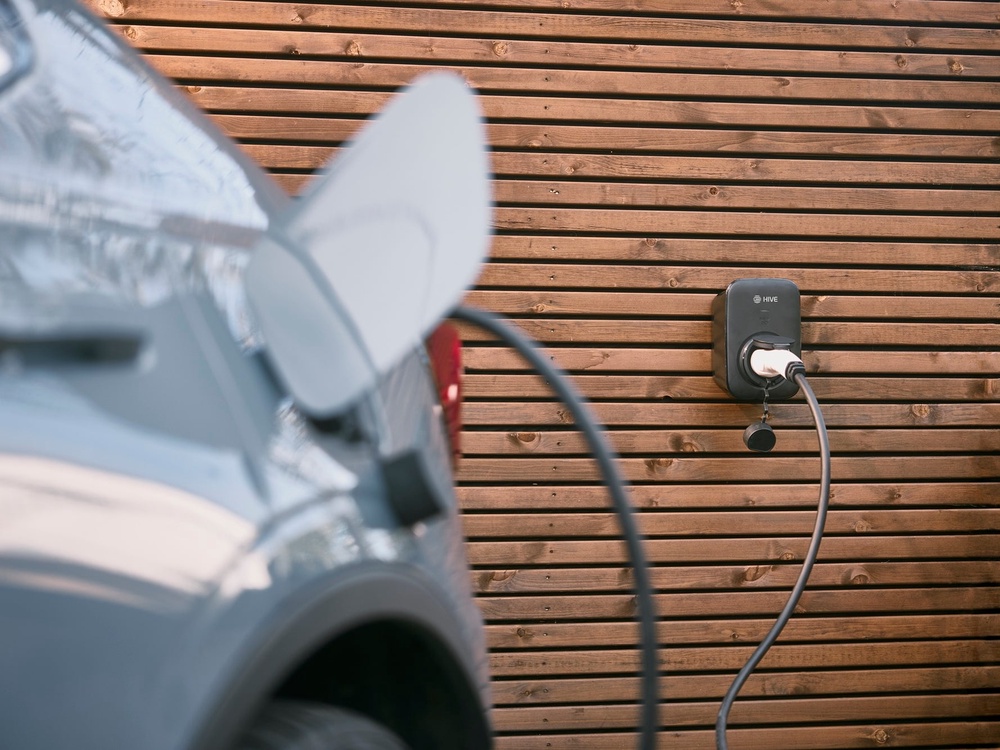
And once you have made the switch, Wells says home charging can soon become just another part of everyday life. “If you have off-street parking, charging at home is the easiest way to keep your car topped up. Instead of making a special trip to a public charger, you can simply plug your car in overnight and wake up with it ready to go. For lots of drivers, that quickly becomes part of their normal routine.”
For most UK homes, a 7kW charger is the sensible choice and should top up most EVs overnight. A standard three-pin socket can charge an EV, but it’s much slower and isn’t the best everyday solution. Electrical Safety First recommends a dedicated wall charger installed by a qualified, registered and competent electrician.
Before ordering, think carefully about where the charger will go. It should be close to where you normally park, with an easy cable route to your car’s charging socket. You’ll also need to choose between a tethered charger, with its own cable attached, or an untethered one where you use the car’s cable, which then detaches and can live in the boot. I find a tethered charger is easier day-to-day as you won’t have to rely on a separate charging cable, although an untethered box can look neater.
Smart chargers can schedule charging for the cheapest times, but they need a reliable Wi-Fi connection, and some energy tariffs only work with compatible cars or chargers. If your Wi-Fi struggles to reach the drive, sort that out first by relocating your router or using a network extender.
Next comes the home survey. In Simon’s case this was done by Hive remotely, using photos taken on a phone to assess his property and electrical supply. And it couldn’t have been easier, as he explained: “The process began with a digital home survey to assess my property’s electrical capacity. Joanne was incredibly helpful, reviewing my photos and ensuring everything complied with regulations.”
Wells says that should also mean you know what to expect before the installer arrives. “They’ll recommend the best location for the charger and confirm the installation plan before any work takes place,” she said. “On the day of installation, they’ll fit the charger, carry out all necessary safety checks, and talk you through how everything works before they leave.”
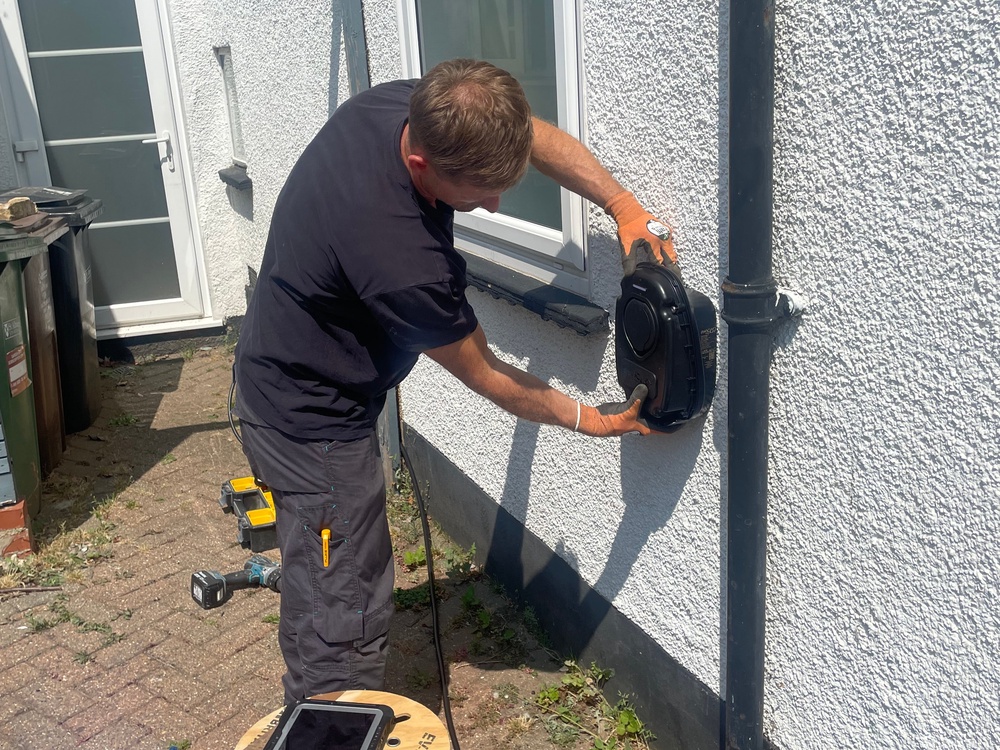
The installer needs to check that your consumer unit (fuse box), wiring and main supply can cope with the extra demand, and older homes may need additional work. Simon was also told about the Hive charger’s load balancing feature, which stops the main fuse being overloaded. Your installer should deal with the required application to the local Distribution Network Operator, which checks whether the electricity network can accommodate the charger.
Cost depends on the job. As a rough guide, expect to pay around £600 to £700 for a decent charger, with a straightforward installation adding roughly £300. Longer cable runs, consumer unit upgrades or other electrical work can push the bill higher, so make sure the quote explains exactly what’s included.
There’s still government help for some drivers. Until 31 March 2027, eligible renters and flat owners with private off-street parking can receive up to £500 towards a charger and installation. Eligible households with only on-street parking can also get up to £500 when installing an approved cross-pavement charging solution. Homeowners living in a house with their own driveway aren’t covered by the renters and flat owners grant, and anyone claiming should always wait for grant approval before installation.
Planning permission usually isn’t required for a straightforward, wall-mounted charger on private off-street parking, although there are exceptions, including some listed buildings and locations close to a highway.
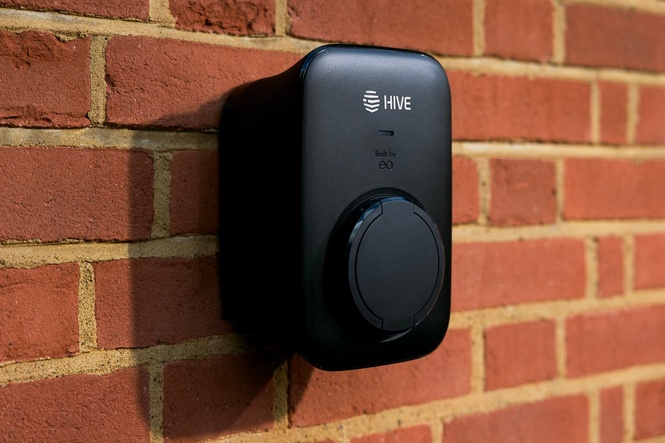
Simon’s installation took around three hours. “I was pleasantly surprised by the compact size of the Hive EO Mini Pro 3 charger (about the size of an A5 notebook),” he said, “And the engineer did a fantastic job running the cables neatly alongside the side of the house, too.”
Once fitted, the engineer paired the charger with the Hive app and helped Simon add his electricity tariff, allowing charging to be scheduled for cheaper periods, and set a time for when the car needs to be ready – that way, it’ll always be charged for when it’s needed.
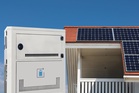
Wells says: “A smart charger can schedule charging when electricity is cheaper, helping to reduce your running costs. If you have solar panels and a battery, you can also store excess energy generated during the day and use it later to charge your car. Even without solar, a battery can store lower-cost electricity from the grid and use it when you need it most.”
Hive says its charger installations rose 27 per cent in the first half of 2026 compared with the same period in 2025 and were up 25.3 per cent compared with the second half of 2025. Simon’s experience helps explain the appeal: after two weeks, scheduled charging had simply slotted into his routine. Get the location, electrical checks, installation and tariff right at the beginning and home charging should quickly become one of the easiest parts of owning an EV.
Read MoreSkoda Epiq review: I’ve driven the cool new electric SUV, but is it epic?
Leapmotor B03X review: I drove the new electric SUV with 237 miles of range that’ll improve with age
Lidl cuts EV charging prices, saving drivers ‘£529 a year’
‘Don’t mess with the ZEV Mandate,’ warn UK business leaders
Tesla Semi is coming to Europe in 2027
Skoda Epiq review: I’ve driven the cool new electric SUV, but is it epic?