
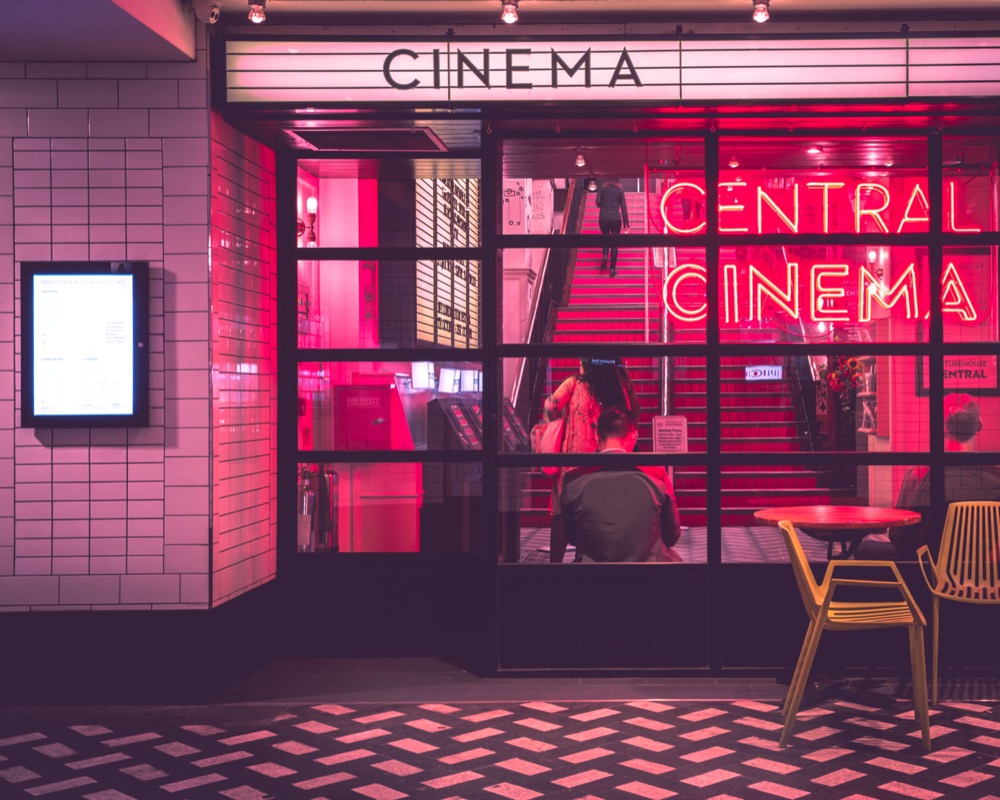
During the talkback that followed the sneak peek screening of the new six-part limited series "Drug War: A Conspiracy of Silence" on May 7 at Shangri-La Plaza Cinemas in Mandaluyong City, writer-director Shugo Praico and members of the cast spoke about how they prepared for their roles.
For the seasoned actors, the answers are often familiar: read the script carefully, understand the character, internalize the situation and bring the truth of that person to the screen. They also spoke of immersion, of going to the actual places or similar communities where their characters’ stories unfold.
In "Drug War," that world is the urban poor community — a setting that has appeared often in Filipino stories about poverty, sometimes with painful honesty, sometimes with the risk of becoming what critics now call "poverty porn."
For Ian Veneracion’s character, a priest who believes in rehabilitation rather than punishment or death, the series provides a striking contrast through a quieter seaside setting, away from the violence that shadows the lives at the center of the story.
The series also revisits the numbers that human rights groups, victims’ counsels, and families have repeatedly cited in connection with the Philippine drug war and the case now before the International Criminal Court (ICC) in The Hague. Figures on extrajudicial killings and collateral deaths are shown onscreen, a reminder that behind every statistic is a person, a family and a story that cannot be reduced to a number.
The subject remains raw and divisive. Former President Rodrigo Duterte, who has denied wrongdoing, is now facing trial before the ICC on charges related to the drug war. His lawyers have challenged the case, while families of victims continue to insist that the deaths of their loved ones cannot be dismissed, forgotten or explained away.
And so, as the competent, seasoned and award-winning cast members described their creative processes, no one in the audience questioned their preparation. They had done their work. They had entered the story as actors could.
But as I listened, I had an afterthought.
What if I had shared, right there during the talkback, my own family’s tragedy? What if I had told them about my dear nephew, Oliver Reyes Angeles, the son of my eldest sister?
Oliver had been in the Laguna Provincial Jail for marijuana use from 2016 to 2017. When he was released, he tried to rebuild his life. He found work again, for the sake of his wife and daughter. He found a job taking care of derby roosters for a big-time sabongero (cockfighter), a job he had done even before he was imprisoned.
One day, Oliver dropped by our house in the poblacion. There were no dramatics between us. No long speeches. No heavy confrontation.
His eyes simply said, "Sorry, Tito.”
I answered with a wave of my hand, as if to say, "Be good. For your wife. For your daughter. For the family you had neglected while you were in prison.”
A week later, when I went home for the weekend, I was devastated to learn that armed policemen had killed Oliver inside his house in a nearby barrio.
According to the account that reached our family, five armed policemen entered my nephew’s compound while Oliver was tending to the prized roosters. They pulled him into his house and ordered his wife and daughter out. Frightened neighbors ran for safety.
The policemen were shouting, "You made a fool of us, searching for you everywhere!”
It sounded like an unrehearsed voice-over in a badly written scene. Then came the deafening gunshots.
His wife, his daughter and the neighbors ran. When the police officers came out of the house, Oliver was lifeless.
I could not understand it then, and I still cannot understand it now. How could the police say they had been searching everywhere for Oliver when the provincial jail had officially released him? How could a man trying to return to work, to his wife and to his daughter be treated as though he had no right to begin again? Was it poor scripting? Poor acting? Or simply the cruel logic of a time when suspicion was enough to erase a life?
Before leaving, one of the police officers allegedly took the fighting roosters. He must have known they were expensive birds.
That small detail has never left me. In a story already filled with violence, grief and helplessness, the theft of those roosters felt like another insult laid over a death. It made the whole thing even uglier, even more human in the worst possible way.
This is why "Drug War: A Conspiracy of Silence" cannot be viewed solely as a series about a national issue, a political controversy, or a case argued before an international court. For many families, it is not abstract. It has a name. A face. A wife who ran. A child who lost her father. An uncle who still remembers a nephew’s silent apology.
If this true story about Oliver, my own nephew, can add even a small measure of authenticity to a six-part series on the drug war, then perhaps it is worth telling.
Because silence, too, is part of the tragedy.
And for those of us who have buried our own, silence is no longer enough.
***
About the author:
Armando Reyes, DGPI, is a filmmaker, writer and longtime industry observer whose work and reflections are shaped by decades of engagement with Philippine cinema, storytelling and the social realities behind the screen. In this piece, he writes from both a creative and deeply personal perspective, connecting the themes of "Drug War: A Conspiracy of Silence" with his own family’s painful experience during the country’s drug war.
