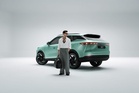
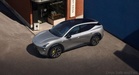
China’s New Energy Vehicle (NEV) landscape in coming years which encompasses both Battery Electric Vehicles (BEVs) and the Plug-in Hybrid or Extended Range Electric Vehicles (PHEVs/EREVs) as consumer tastes and EREV technology undergoes a rapid structural transformation.
Driven by changing consumer choices and consumer preference for range flexibility and suburban penetration, we have seen how hybrid powered vehicle variants surged in popularity between late 2024 and 2026. And …… Chinese auto manufacturers (GWM with their WEY MPV) were quick to adapt to changing consumer needs unlike European auto manufacturers who were too slow.
However, current market data indicates that pure electric vehicles (BEVs) continue to be popular in some markets where fuel prices have ZERO subsidies, while hybrid powertrains serve as an essential transitional bridge rather than a long-term dominant replacement.
1. Consumer Adoption Trends
Range & Infrastructure Anxiety: Pure BEV adoption in lower-tier Chinese cities and rural regions still faces cold-weather performance drops and charging infrastructure gaps. PHEVs and EREVs address these concerns by offering over 1,000\text{ km} of combined range.
Price Parity (“Electric Cheaper Than Oil”): Major Chinese original equipment manufacturers (OEMs), spearheaded by BYD, introduced “PHEVs at petrol-car prices”, making hybrid powertrains directly competitive with traditional internal combustion engines (ICE).
2. Market Share Reality (BEV vs. PHEV/EREV)
Despite rapid hybrid volume increases, BEVs remain the primary sales force in China’s overall domestic market.
Key Drivers Behind OEM PUSH In Hybrid Production
EREV Architecture Emergence. Auto brands like Li Auto and Huawei-backed AITO popularized Extended Range Electric Vehicles (EREVs)vehicles driven purely by an electric motor where a small petrol powered engine (Nissan e-POWER video watch below) acts solely as a generator to charge the battery. This setup allows OEMs to lower manufacturing costs compared to large-battery BEVs while giving consumers a pure EV driving experience.
Chinese automakers face varied charging infrastructure readiness across export destinations in Southeast Asia, Latin America, and Europe. Dual-powertrain manufacturing flexibility lets Chinese OEMs export PHEVs to developing regions while fulfilling domestic BEV mandates.
Why we believe Hybrids will NOT permanently replace BEVs. While hybrids will maintain a massive market footprint over the next 3 to 5 years, they face structural headwinds that prevent them from completely outperforming BEVs long-term due to external government pressure and also global vision for climate change.
For OEM Manufacturers, maintaining a dual-track strategy (offering both EREV/PHEV and pure BEV architectures) is critical to capturing growth across diverse geographic tiers in China and the rest of the world.

Hybrid growth creates strong multi-year demand for compact ICE generators and hybrid-specific transmissions alongside battery cells. Hybrid models also drive immediate volume and margin stability, but pure BEV technology (specifically ultra-fast charging platforms and solid-state batteries) remains the primary long-term valuation driver.
The post Hybrid Vehicles Will Overtake Pure Electric Vehicles Sales In 2027 first appeared on DSF.my.