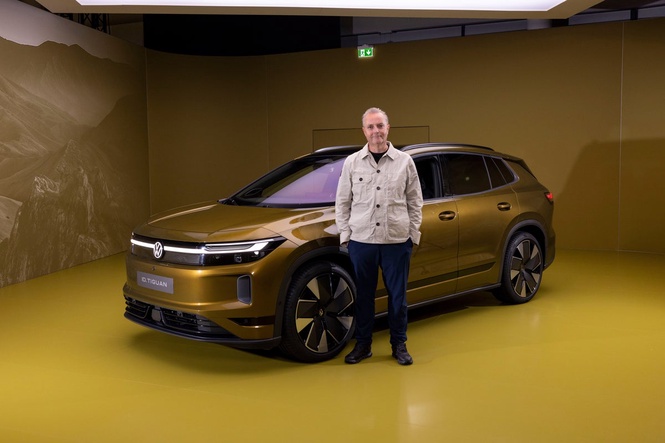
Volkswagen has revealed the new ID. Tiguan, bringing a familiar name to the electric family car that replaces both the ID.4 and ID.5 in early 2027. There’s a new look, a completely reworked interior and a maximum claimed range of 373 miles.
I’ve driven a pre-production version and have also been inside the finished car, and what impressed me most on the road was the comfort. It’s a big improvement over the ID.4, feeling solid with nicely weighted steering and a ride that manages to be controlled and comfortable at the same time.
What I particularly liked was how similar it felt to the new ID. Polo. Volkswagen now seems to have a clear idea of what its electric cars should feel like, with comfort and quality running through them. That family resemblance from behind the wheel is something I really welcome, although I’m less convinced by the family name this particular car has been given.
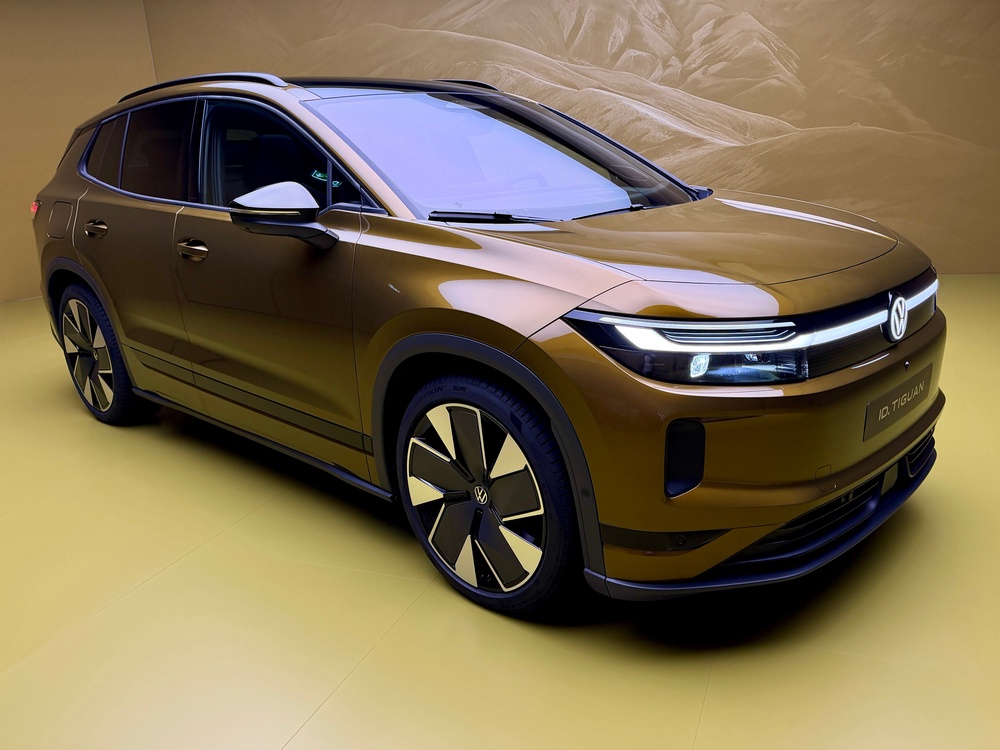
Volkswagen has already built more than 950,000 ID.4s and ID.5s combined, so this is a change to a well-established electric line-up rather than a fresh start. Volkswagen boss Thomas Schäfer said: “The Tiguan is our best-selling model worldwide, and the ID.4 and ID.5 are among our most successful electric cars. The ID. Tiguan brings these two success stories together.”
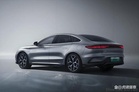
The redesign brings sharper lines and more defined bodywork, with Volkswagen saying it has moved away from the softer crossover look of its predecessors towards a more obvious SUV shape. Conventional pull-style door handles return, too.
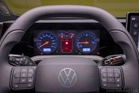
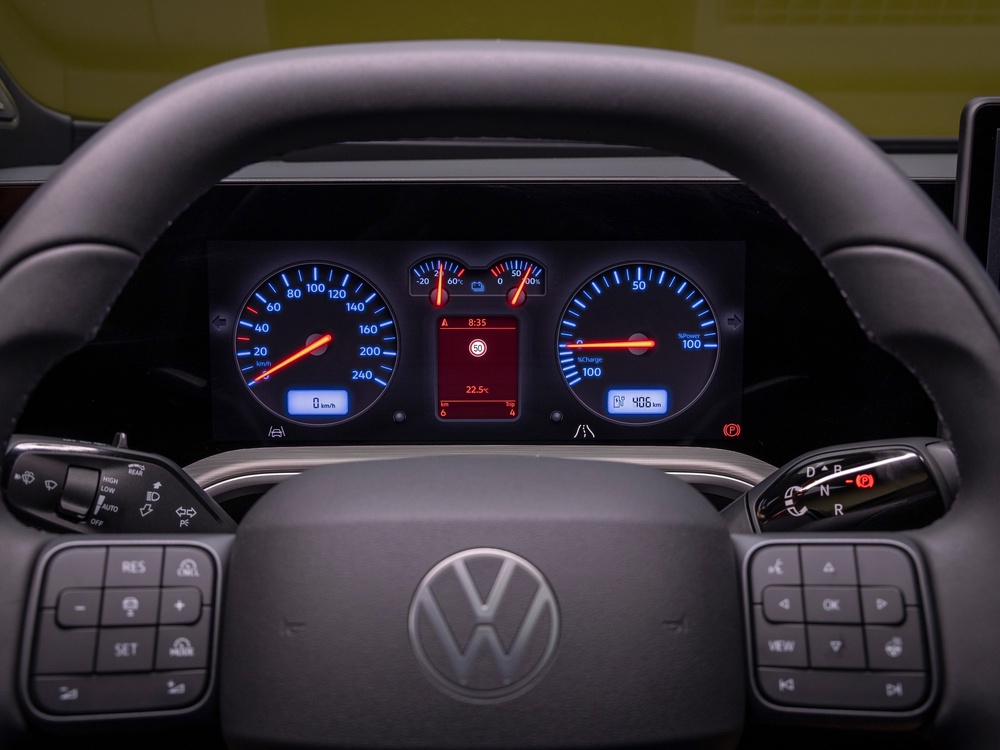
Inside, the changes are just as welcome, including another marvellous retro-style instrument display. Press the View button on the steering wheel and the driver’s screen can recreate the blue and red instruments of a Mk4 Golf. There’s a traditional-looking speedometer on the left, while the dial on the right looks like a rev counter but shows the electric drive’s energy flow instead. The main touchscreen gets a matching retro theme, too, with a virtual garage offering a choice of six Volkswagens: the original Golf, Mk2 Golf Country, Mk4 Golf, first-generation Tiguan, Race Touareg and Beetle.
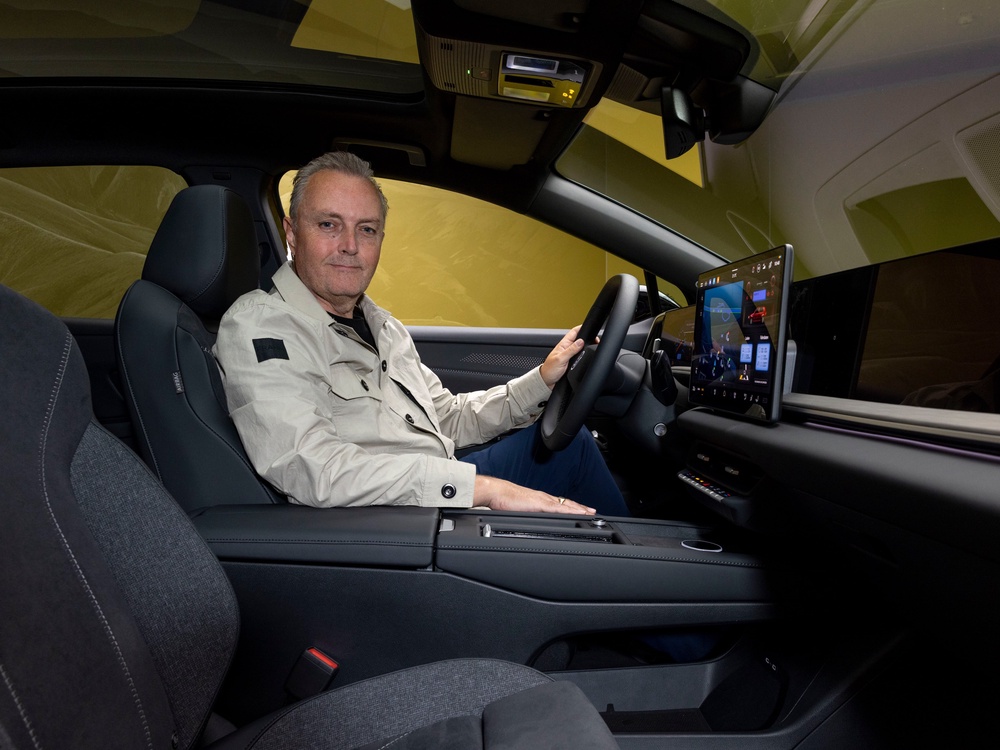
Crucially, the new technology hasn’t squeezed out the buttons. The steering wheel swaps touch controls for physical ones, while a row of buttons in the centre console handles the basic air-conditioning settings. There’s a separate control for the volume and changing stations or tracks, plus a redesigned electric-window panel to make it easier to open the rear windows, while there are now two optional wireless phone-charging pads that use magnetic rings to position and hold Qi-equipped handsets.
There are new driver and central displays, plus an optional separate screen for the front passenger – a first for a European Volkswagen. That passenger screen offers entertainment and gaming, with a privacy mode that prevents the driver seeing what’s on it. Passengers can use paired Bluetooth headphones for the sound, too.
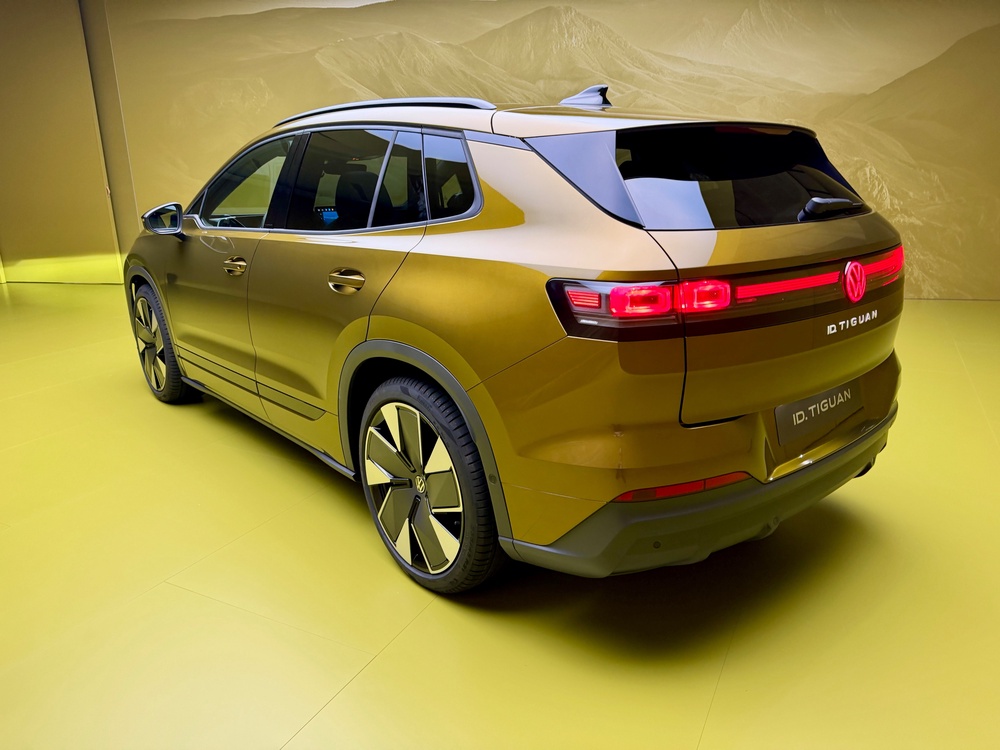
The comfort options include electrically adjustable front seats with massage, memory and ventilation, plus a panoramic sunroof and a 480-watt Harman Kardon sound system. An optional digital key allows a compatible phone to unlock, lock and start the car, with access shareable through Volkswagen’s app by text, messaging service or email.
Underneath, there’s a choice of three versions: the starting point combines a 58kWh battery with 187bhp and rear-wheel drive; a larger 77kWh battery comes with either 282bhp and rear-wheel drive or 295bhp and four-wheel drive. That maximum claimed range of 373 miles depends on the version and equipment, so it isn’t a figure that applies across the board.
There’s seating for five, a boot offering up to 534 litres and an extra 32-litre storage compartment under the bonnet, while towing capacity reaches 1,800kg with the smaller battery and 2,000kg with the larger one. An optional adapter plugs into the charging socket to power three-pin electrical devices, such as an electric barbecue or an e-bike, from the car’s battery.
One-pedal driving is standard, so lifting off the accelerator slows the car without you having to press the brake pedal. The optional Connected Travel Assist system can help with motorway lane changes and stop the car at red traffic lights, but it remains a driver-assistance system so the person behind the wheel is still responsible.
This isn’t the end of the existing Tiguan, either. The petrol, diesel and hybrid versions will continue alongside the electric newcomer. The ID. Tiguan will be built in Emden, while the existing Tiguan comes from Wolfsburg. Despite sharing a name, they aren’t simply the same car with different engines or motors.
Which brings me back to that badge. I understand the thinking, but I can’t help feeling the name is wrong. If the new ID.3 Neo – great though it is – wasn’t good enough to be called ID. Golf, I’m not sure why this heavily facelifted ID.4 should be called ID. Tiguan.
For me, a Tiguan is a large, upright, spacious SUV. This looks and feels more like a crossover, so it doesn’t quite feel like a Tiguan. None of that takes away from the improvements I’ve experienced: the comfort, the solid feel and the welcome changes inside left me hugely impressed. It’s the name, rather than the way it drives, that I’m struggling with.