Like every farmer in Honduras, I do not need models or forecasts to tell me what impact a powerful El Niño can have.
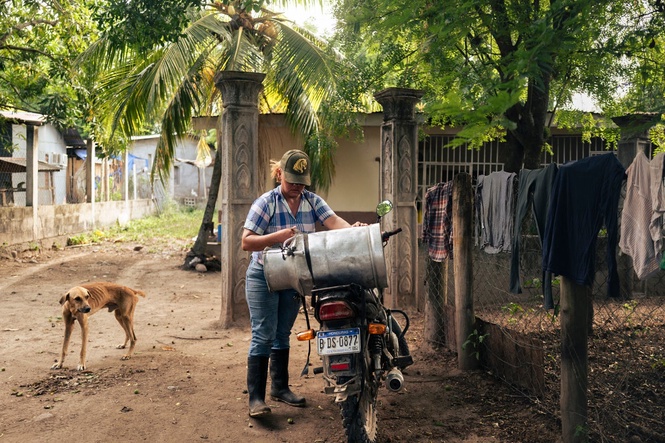
I have lived this before. In my small hometown of Olanchito alone, the extreme El Niño of 2023 brought a drought that killed more than a thousand cattle, mine among them. After years of working towards my own land, starting with just one cow, I had to start again from scratch.
Raising cattle as a woman already comes with its own challenges, from the physical demands of the work to the prejudices that we face. Losing an entire herd to drought despite all of my efforts was devastating. But it was also a valuable lesson in how to be more resilient.
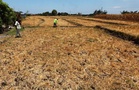
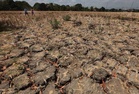
The same conditions that took my cattle in 2023 are back. Drought alerts are in place for 233 out of 298 municipalities, including red alerts for more than 100. A severe lack of rain is destroying crops and leaving livestock without enough food and water.
The difference for me, at least, is that I’ve been able to rebuild stronger since 2023.
The turning point was access to water. For years, I hauled water for miles to keep my animals alive. But I was able to secure two loans to help finance a well and irrigation system, which transformed my farm and my life. That matters even more today, as Honduran farmers face a drought expected to carry on into next year.
Better access to water has allowed me to grow and store feed ahead of the next dry season instead of losing everything when the rains fail.
Not only does the well help me keep my animals alive, but it has also allowed me to diversify. Today I produce milk, chilli peppers and corn. I am also starting a pig farming project, and I have begun beekeeping with support from Heifer International, which is also supporting me with feed for my cattle.
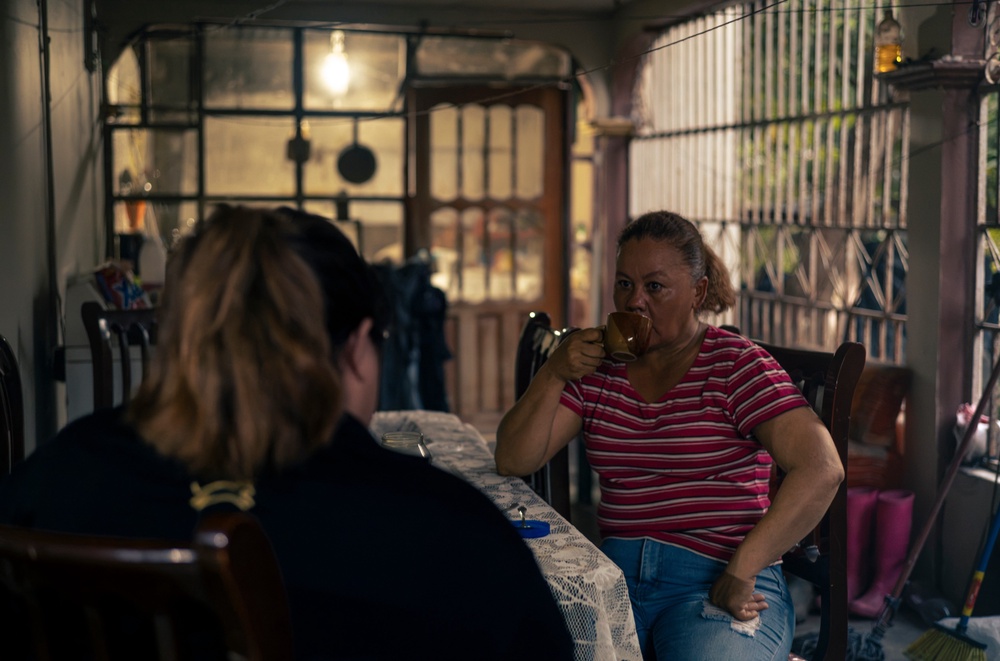
All of this means I have been able to raise my children, give them an education, and build a legacy. This is a source of pride for me. Many people think that only men can do this work, but women also have the strength, ability, and determination to succeed.
None of this happened by chance. It took a community, training, and organisations like Heifer International, willing to support women farmers to build resilience rather than just respond after each drought.
And yet, not everyone has been able to access this kind of support, which means many farmers still face the prospect of losing everything. In Honduras, 1.8 million people already face crisis-level food insecurity, so this year’s losses will mean more people going hungry.
I always try to motivate other women farmers not to give up; solidarity is critical, as the threat from longer lasting El Niños continues.
Sharing what I've learned with other women in my community makes us stronger. It gives us more confidence in our abilities, not only as growers but as leaders of our own enterprises, ready to challenge the lack of long-term planning and infrastructure and ask for what our farms need to keep evolving.
I am proof that the right infrastructure, training and support can help farmers cope with extreme conditions. My farmers’ group is proof it can be scaled for every woman farmer in Honduras.
I didn't have the training or infrastructure I do now when drought took my herd in 2023. Each difficulty taught me something new, and I have learned failure is not the end of the road.
But farmers will not be able to keep starting from zero as these shocks come more often. Investing in preparedness now is what changes that. Governments across the region need strategies for supporting farmers before disaster strikes, not only after. And they need partners who work on the ground and understand the realities that farmers face.
Preparing for the severe weather risks ahead with water infrastructure, drought planning, and diversification support will give women farmers the security to modernise and advance their farms.
Irrigation changed everything for my farm. My farm is my livelihood and my legacy, and women farmers across Honduras deserve that same chance to keep building theirs, not just survive the next drought.
Milexi Rodríguez is a farmer from Olanchito city, Honduras
This article has been produced as part of The Independent’s Rethinking Global Aid project
Read MoreEl Nino tracker: Here’s what the ‘strongest-ever’ weather phenomenon means for UK in 2027
Aid cuts cast long shadow over key World Bank meetings
El Nino is now hottest ever recorded and still growing in strength, announces Japan