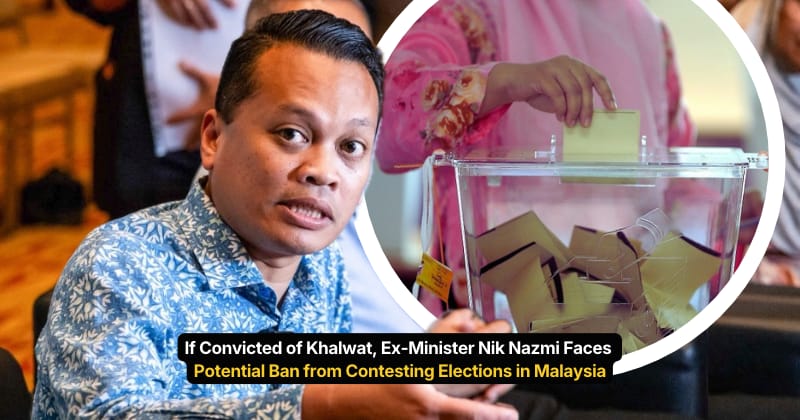
The recent arrest of a man and a woman, the former being a senior leader of a political party, by the Selangor Islamic Religious Department (JAIS) for allegedly committing khalwat in Petaling Jaya made headlines in Malaysia, with speculation abounding online about the identities of the individuals. In a statement, JAIS confirmed the arrests and added that the case is being investigated under Section 29 of the Syariah Criminal Offences (Selangor) Enactment 1995.
A couple of days after the arrest, former Minister of Natural Resources and Environmental Sustainability Nik Nazmi Nik Ahmad revealed in a public social media post that he was the public figure involved in the case. For context, khalwat refers to the Syariah offence of a Muslim man and woman being in close proximity in a private or enclosed place if they are neither married to each other nor mahram (immediate blood relatives or individuals whom one is prohibited by Islamic law from marrying).
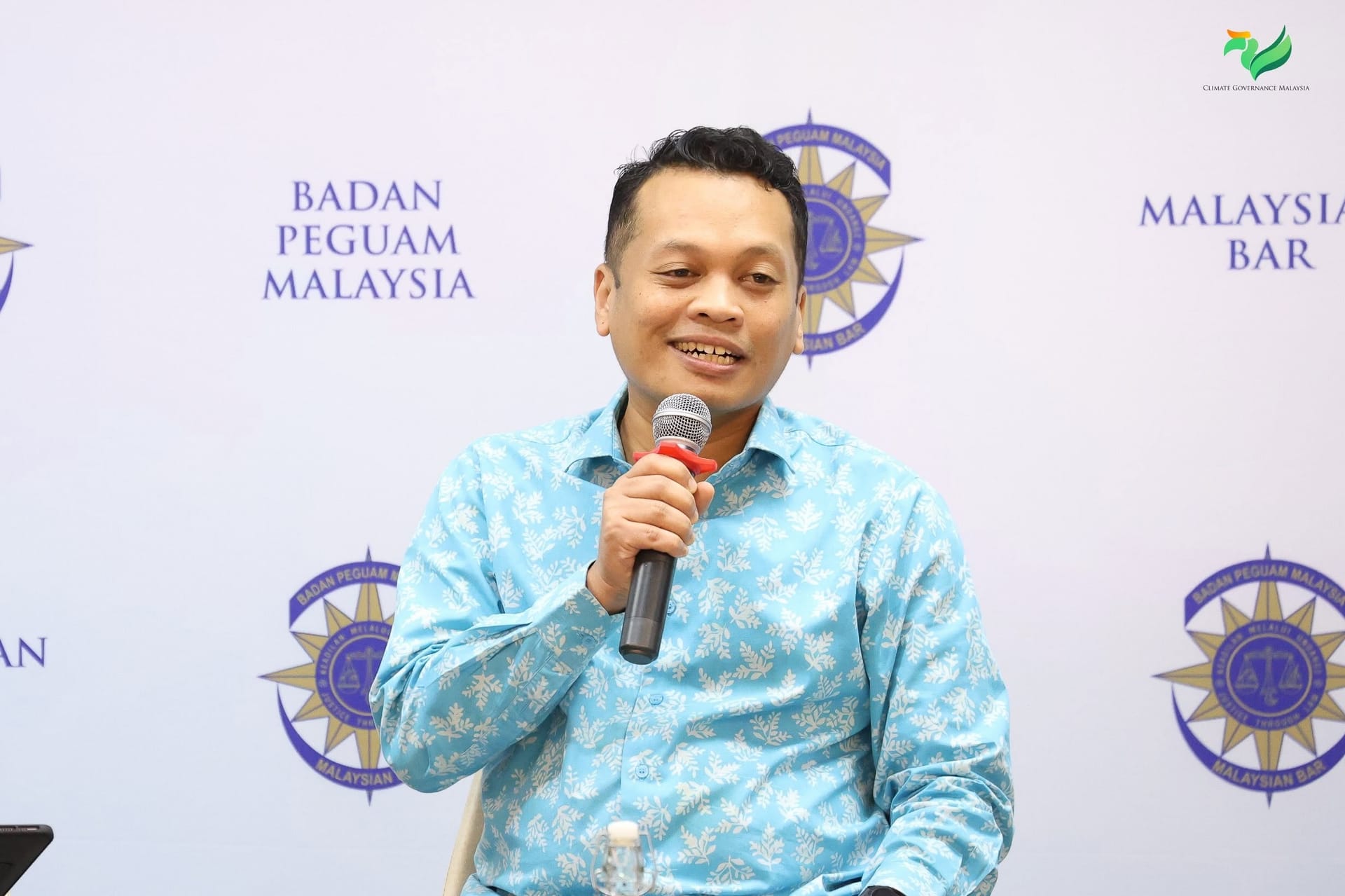
Nik Nazmi publicly apologised to his wife, family, and those affected by the incident, admitting that he had made a mistake. However, he stressed that he did not commit any indecent acts that would arouse suspicion, explaining that he and his colleagues had begun a discussion at their studio in Brickfields, Kuala Lumpur, before deciding to continue the meeting in Petaling Jaya to review materials related to a project. The former minister added that when JAIS officers arrived, only he and the woman were present.
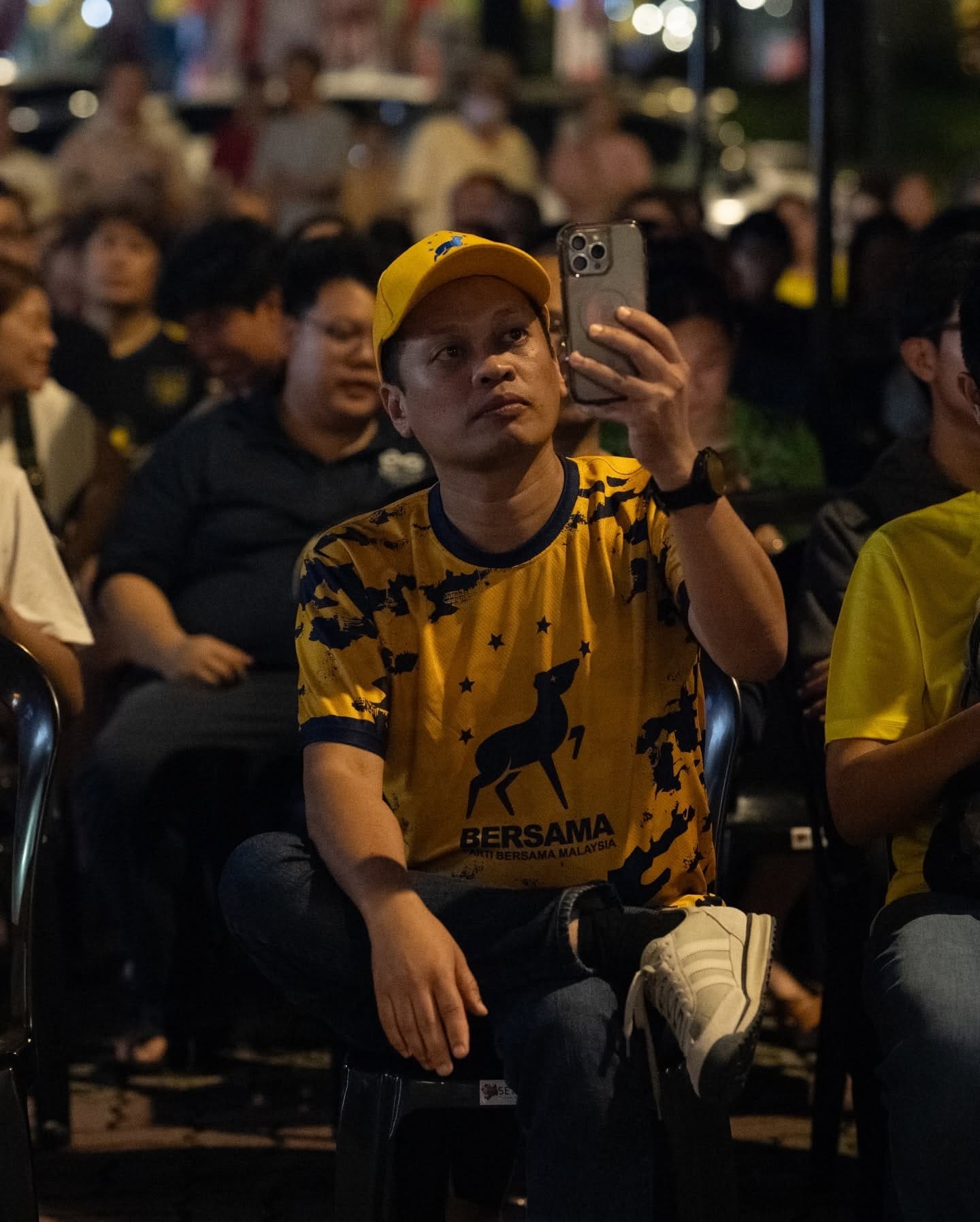
Nik Nazmi, who quit PKR and resigned from his ministerial post as well as his position as Member of Parliament (MP) for Setiawangsa in May to join Rafizi Ramli in Parti Bersama Malaysia (Bersama), also apologised to his new party for disappointing its members and supporters, acknowledging that the issue had damaged the party's image. Bersama has since responded by suspending Nik Nazmi from all official party activities for three months, effective 20 October.
With all of the above established, the khalwat case against Nik Nazmi may have far-reaching consequences beyond his reputation alone. Should he be convicted by the Selangor Syariah Court, he could be barred from contesting future general and state elections. However, this will depend entirely on the severity of the sentence meted out should a conviction occur.
Here’s everything you need to know.
Disqualification from contesting elections in Malaysia
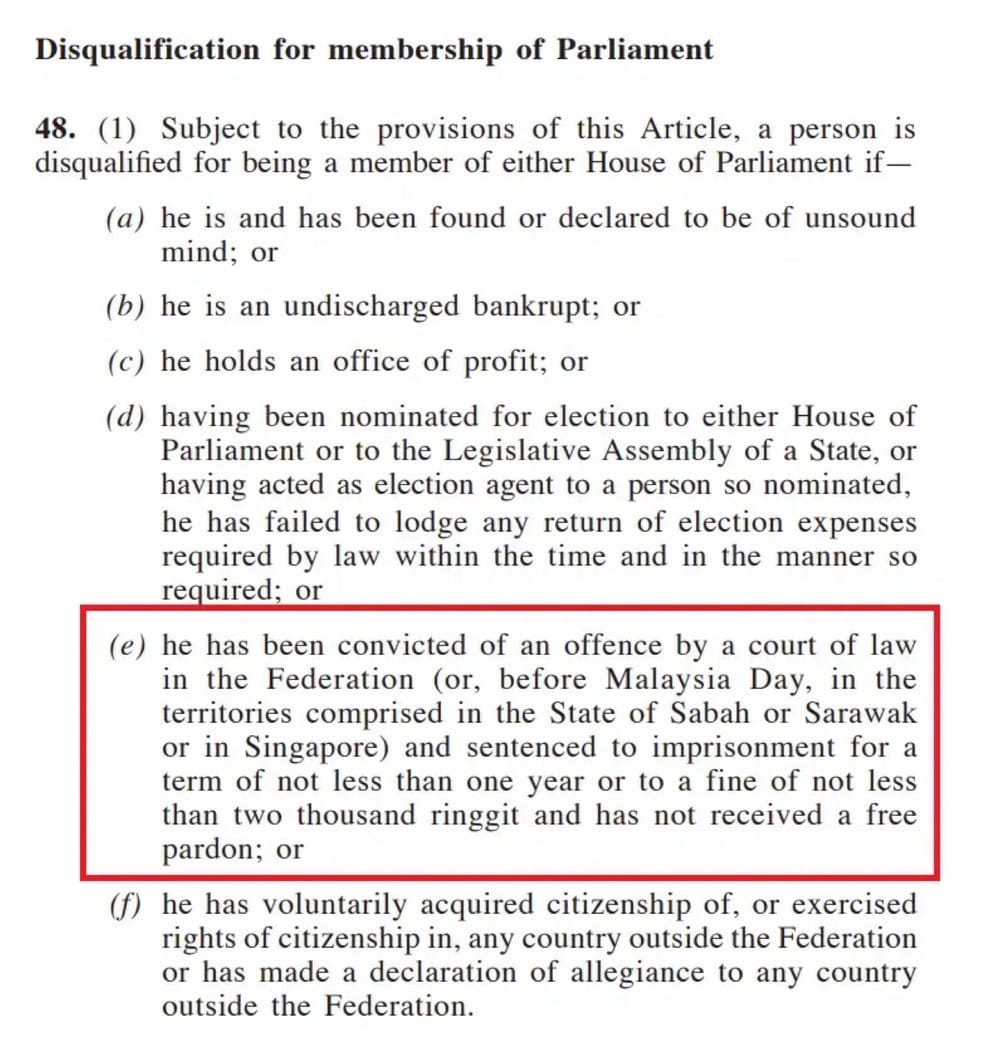
Under Article 48(1)(e) of the Federal Constitution, a member of either House of Parliament will have their membership disqualified if they have been convicted of an offence by a court of law in Malaysia and sentenced to imprisonment for a term of not less than one year or to a fine of not less than RM2,000, and have not received a free pardon.
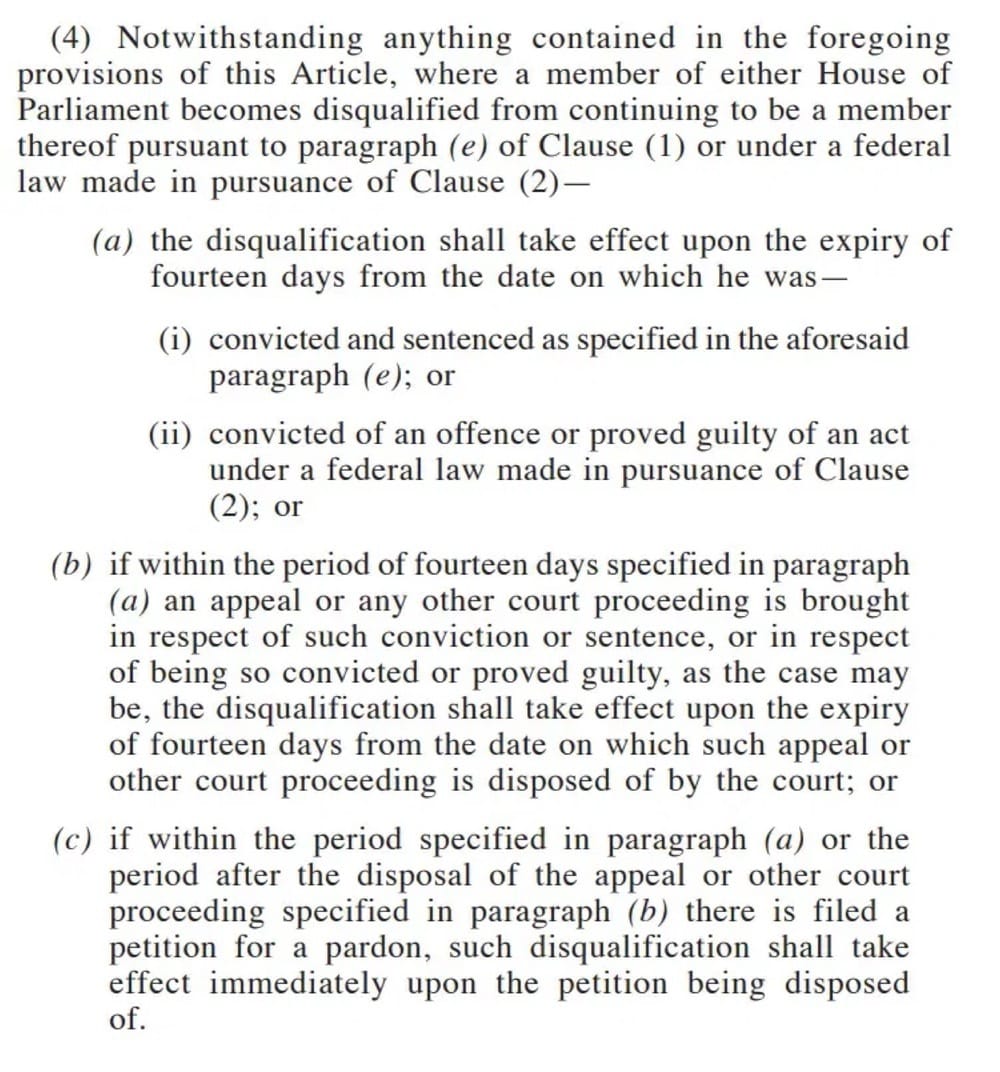
In relation to that, Article 48(4)(b) prescribes that should an MP appeal against the conviction or sentence, the disqualification takes effect 14 days after the court decides on the appeal.
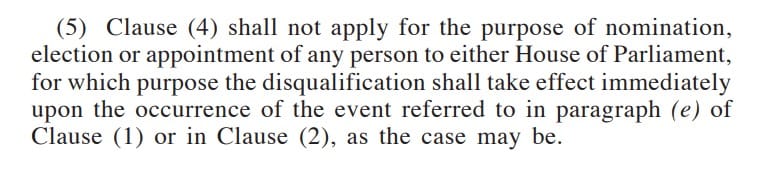
However, the disqualification is immediate for the purpose of an election, as prescribed by Article 48(5).
This applies similarly to disqualification as a State Legislative Assembly Member (ADUN). Under the Eighth Schedule to the Federal Constitution, all 13 states are mandated to mirror the primary federal tenets governing the legislature. Section 6 of the Eighth Schedule explicitly details the standard grounds for disqualifying an ADUN.
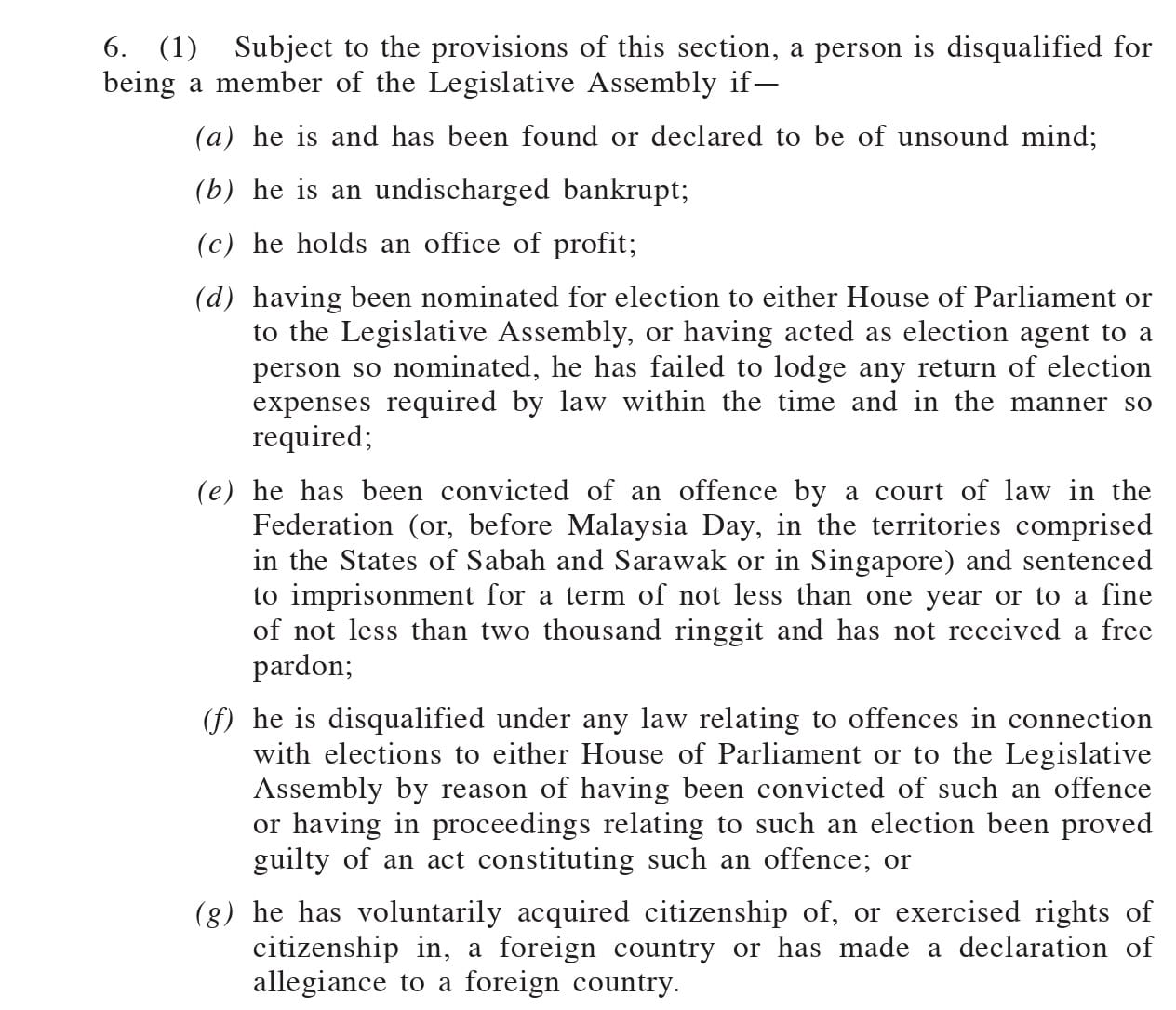
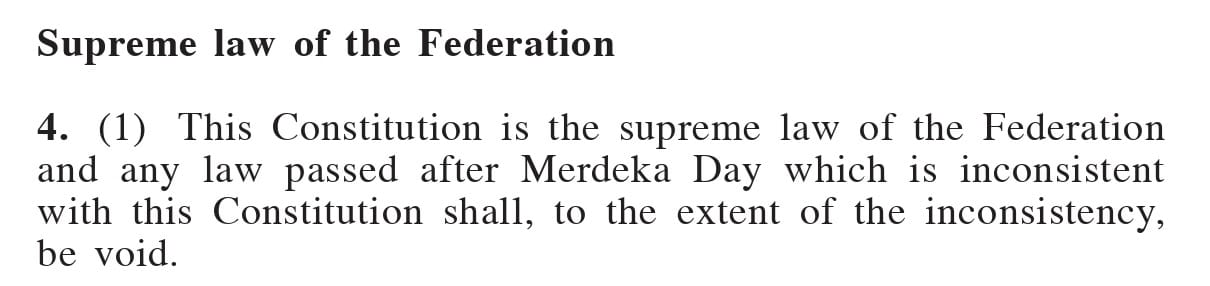
Because Article 4(1) positions the Federal Constitution as the supreme law of the Federation, no state can enact looser or harsher disqualification laws than those prescribed by the federal framework.
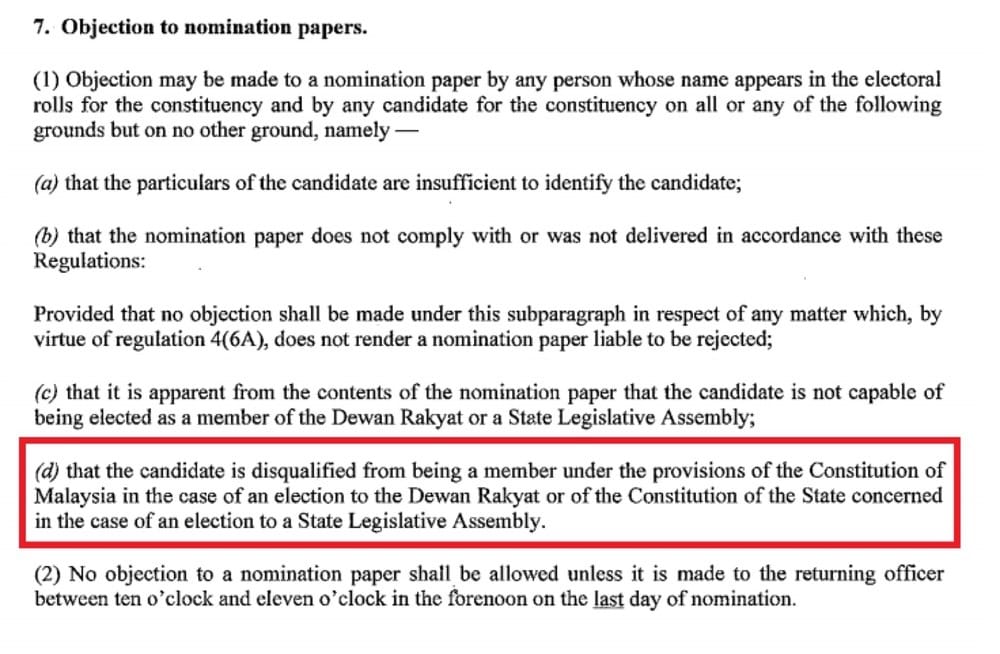
In addition, Regulation 7(d) of the Elections (Conduct of Elections) Regulations 1981 is also relevant. Essentially, should an election candidate be disqualified from being an MP under the provisions of the Federal Constitution, or an ADUN under the Constitution of the State concerned in the case of an election to a State Legislative Assembly, they are barred from contesting a federal or state election in Malaysia.
The punishment for khalwat under the Syariah Criminal Offences (Selangor) Enactment 1995
The aforementioned disqualification threshold from contesting general and state elections, namely imprisonment for not less than one year or a fine of not less than RM2,000, is particularly relevant in Nik Nazmi’s case because the offence of khalwat in Selangor carries a maximum sentence that exceeds this limit.
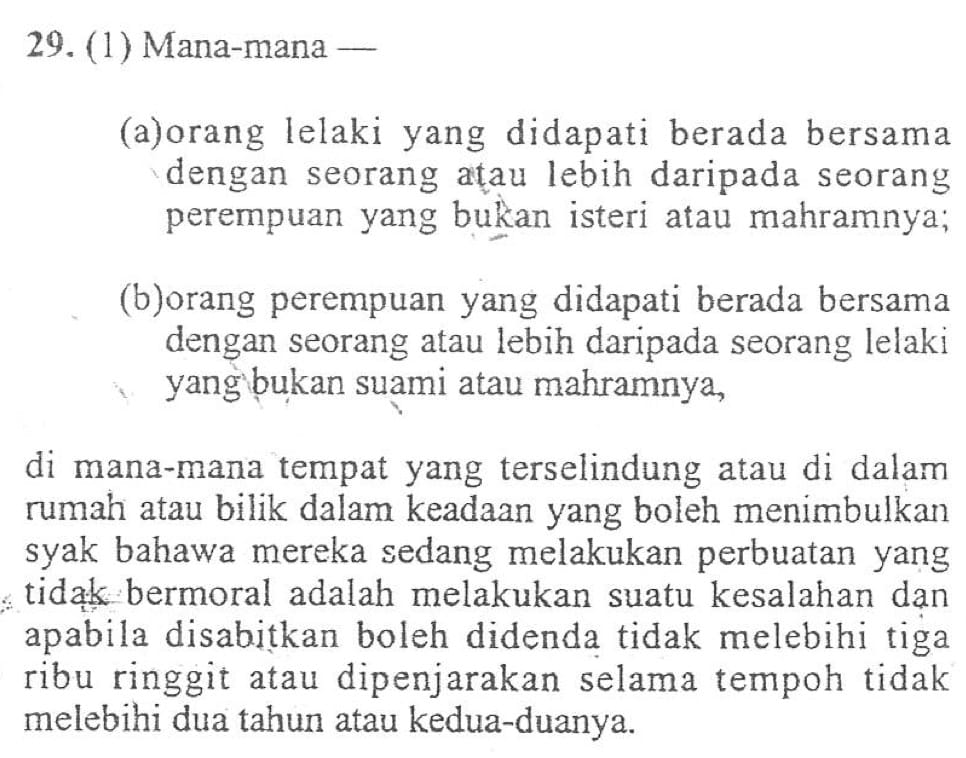
Under Section 29(1) of the Syariah Criminal Offences (Selangor) Enactment 1995, any man who is found together with one or more women who are not his wife or mahram, or any woman who is found together with one or more men who are not her husband or mahram, in any secluded place or inside a house or room under circumstances that give rise to suspicion that they are committing an immoral act, shall be guilty of an offence.
Upon conviction, the offender is liable to a fine not exceeding RM3,000 or to imprisonment for a term not exceeding two years, or to both.
Because a Syariah Court is a legally constituted court of law in Malaysia, a criminal conviction and sentence meted out by a Syariah Court that meets the statutory threshold carries the exact same constitutional effect on electoral eligibility under Article 48(1)(e) as a ruling issued by a Civil Court.
What does this mean for Nik Nazmi?
Should JAIS complete its investigations and prosecutors decide to press charges under Section 29(1) of the Syariah Criminal Offences (Selangor) Enactment 1995, Nik Nazmi’s political future will hinge entirely on the verdict and the exact sentence passed by the Syariah Court judge.
Because the provision's maximum statutory penalties exceed the constitutional threshold under Article 48(1)(e) of the Federal Constitution, any penalty that meets or exceeds those thresholds would trigger an immediate disqualification.
Under such a scenario, Nik Nazmi would be rendered ineligible to contest any upcoming federal parliamentary or state legislative assembly elections.

Nik Nazmi’s political career may be taken into consideration when meting out a sentence
However, in determining sentences, Selangor Syariah courts have previously demonstrated that judges may take an offender's background, public profile, and future professional consequences into consideration when exercising judicial discretion.
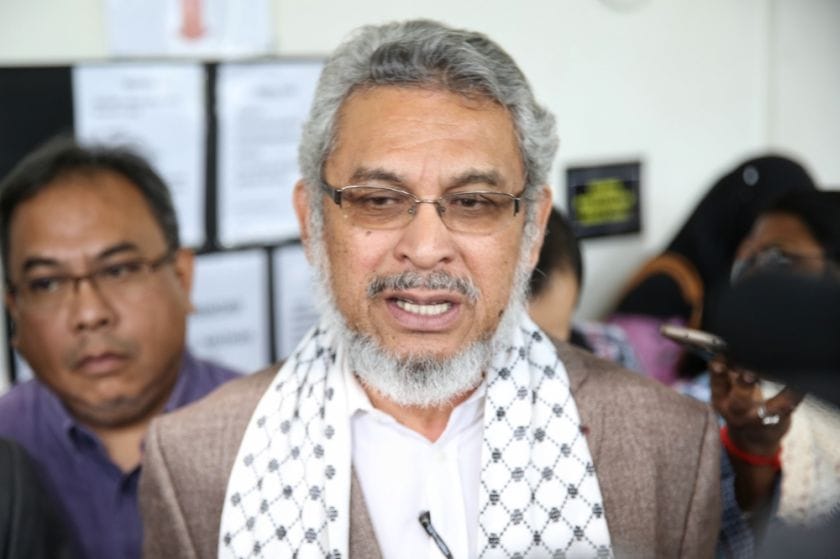
In 2017, former Shah Alam MP Khalid Samad was convicted under Selangor Syariah law for teaching Islam without credentials (tauliah), with the lower Syariah court initially imposing a fine of RM2,900. On appeal, the Selangor Syariah High Court reduced the fine to RM1,900. In rendering the reduced sentence, the judge explicitly took into account his political background and the impact of the penalty, structuring the sentence to stay just below the RM2,000 threshold.
Although Nik Nazmi is currently a private citizen and party leader rather than a sitting MP, a similar principle of judicial discretion applies. Should prosecutors proceed and secure a conviction under Section 29(1) of the Syariah Criminal Offences (Selangor) 1995, his legal representation could appeal to the bench during sentencing. Mitigating factors, such as his clean prior record and the collateral severity of an electoral ban on his future political career, could be weighed by the Syariah judge when deciding whether to impose a penalty above or below the RM2,000 threshold.
If he is acquitted, if charges are dropped, or if the court exercises similar judicial consideration to keep any fine under RM2,000 (or imprisonment under one year), no constitutional disqualification will apply.

Of course, these are all merely theoretical, as JAIS has yet to charge Nik Nazmi or even finish investigations into the case. With that in mind, all eyes will be on the Selangor Syariah judicial system to determine whether this incident marks a temporary setback or a permanent hurdle to the former minister’s political career.
Saiful Ridzaimi (saiful.ridzaimi@gmail.com) is a content creator under the Newswav Creator programme, where you get to express yourself, be a citizen journalist, and at the same time monetize your content & reach millions of users on Newswav. Log in to creator.newswav.com and become a Newswav Creator now!
The User Content (as defined on Newswav Terms of Use) above including the views expressed and media (pictures, videos, citations etc) were submitted & posted by the author. Newswav is solely an aggregation platform that hosts the User Content. If you have any questions about the content, copyright or other issues of the work, please contact creator@newswav.com.