

Recently, two passengers were injured on a Scoot flight set for take-off from Taoyuan International Airport in Taiwan to Singapore on January 10th due to a portable charger catching fire as reported by The Star. Thankfully, the fire was put out by firefighters and the plane returned to the airport tarmac from the runway safely. This is just one of the numerous reports we've heard about power banks exploding or catching fire in a plane, and it's unlikely to be the last as the aviation industry recovers from the pandemic. So, what causes power banks to explode or catch fire? Should they still be permitted onboard commercial flights?
One of the main reasons power banks can explode is due to the use of low-quality lithium-ion batteries. These batteries are used in many electronic devices, including power banks, smartphones, and laptops. They have a high energy density, which makes them a popular choice for portable devices. However, if the quality of the battery is poor, it can be prone to overheating and even catching fire. It is important to purchase power banks from reputable manufacturers and retailers. Look for power banks that have been tested and certified by organizations such as UL, CE or SIRIM. These organizations test products for safety and quality, giving you peace of mind that your power bank is safe to use.
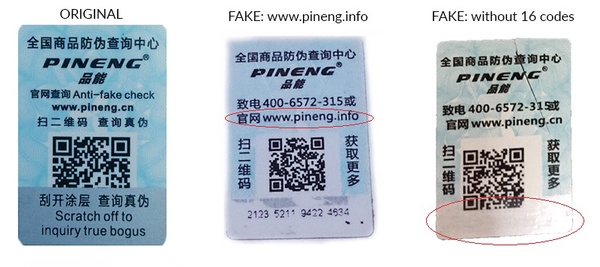
Back in 2017, it was reported that all power banks would require SIRIM certification beginning in 2018. However, this did not appear to fully materialise and the current government should look into this matter in order to ensure people's safety. People should also be wary of counterfeit products from reputable brands by verifying their authenticity. Brands like PINENG have a verification label on the back of their packaging for you to check, but beware of counterfeits with a similar-looking label.
Improper charging practices are another cause of power bank explosions. If a power bank is not charged with the proper power source or is overcharged, the battery can overheat and explode. It is crucial to use the charger that came with your power bank but it’s usually just the cable without a power adapter, use the official power adapter that comes with your phone. Avoid charging it overnight and it's also recommended to stop charging your power bank before it reaches 100% capacity as it puts the battery under a certain amount of strain.
Improper usage and handling can also cause power bank explosions. Dropping a power bank or exposing it to high temperatures can cause damage to the battery, leading to overheating and explosion. This is due to the fact that lithium-ion batteries have a safe operating temperature range of -20 to +60 degrees Celsius, but the ideal temperature range for maximising battery life is between 10 and 30 degrees Celsius. Internal heating within the cell is caused by high current discharges, yet a stable temperature environment enhances battery life.
It's important to treat your power bank with care and to avoid exposing it to extreme temperatures, such as leaving it in your car on a hot day. It is highly unlikely that this was the cause of the fire in the Scoot flight as the plane was still on the ground and the temperature in the plane would have been considerably low. At the time of writing, it was unknown what caused the power bank fire in the flight, but we should all take the necessary precautions to avoid a repeat of power bank explosions.
You can reduce your risk of experiencing a power bank explosion by understanding why they can explode and taking precautions to ensure your safety. Remember to purchase power banks from reputable brands, charge them properly, use them carefully, and avoid exposing them to extreme temperatures.
SimplyNesh is a content creator under the Newswav Creator programme, where you get to express yourself, be a citizen journalist, and at the same time monetize your content & reach millions of users on Newswav.
Log in to creator.newswav.com and become a Newswav Creator now!
Newswav is solely an aggregation platform and hosts the content. The views expressed and content above including media (pictures, videos, etc) were provided by the author. If you have any questions about the content, copyright or other issues of the work, please contact Newswav.
