Authorities in the north Indian state of Bihar have warned residents not to buy, sell, or eat unfamiliar fish appearing in local rivers, after floodwater from Nepal's deadly glacier collapse carried large, unusual catches downstream and left some people ill.
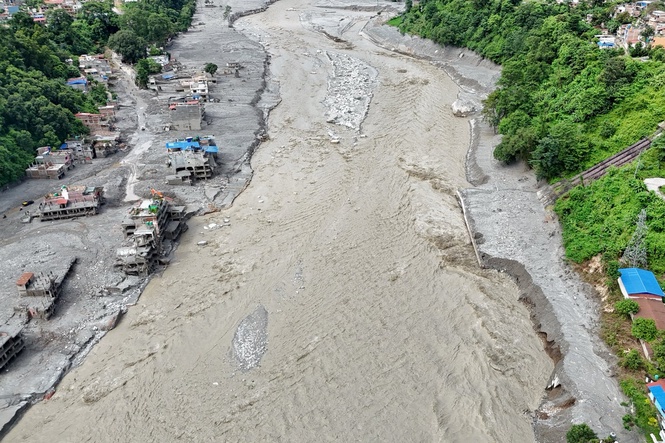
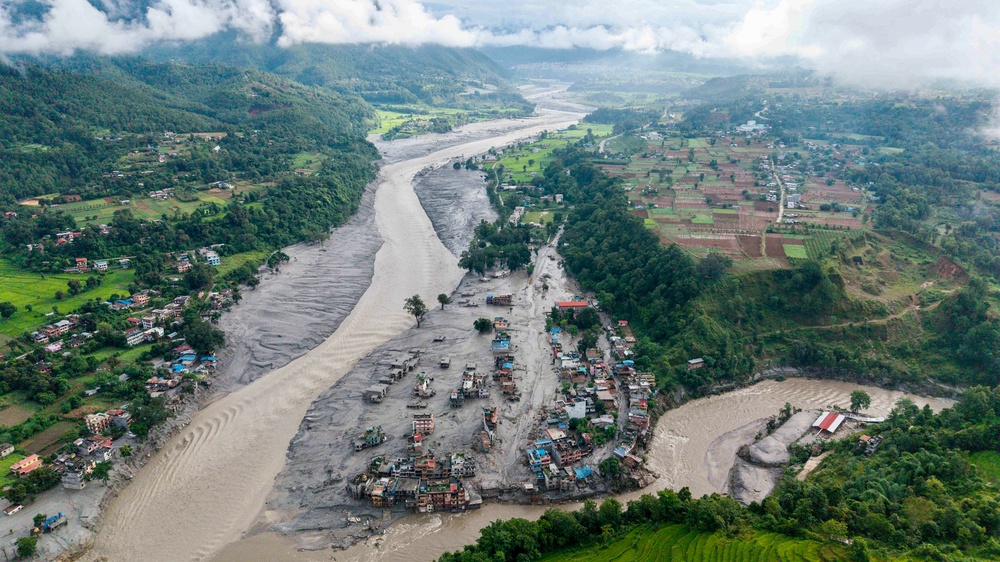
Water from the Trishuli river in Nepal has been flowing into Bihar via the Gandak and Kosi rivers, two of the state's major waterways, since the disaster struck last week, bringing with it ruins, unusual fish, and even bodies.
As river levels rose, fishermen began pulling in fish far larger and stranger than their usual catch, and officials say some people who ate them have since fallen sick.
Bihar's Department of Dairy, Fisheries and Animal Resources issued a public advisory on Monday warning against consuming, buying or selling any unfamiliar or unusual fish caught from the floodwaters.
"Without identity or confirmation by the concerned department, no unfamiliar or unusual fish should be consumed," the advisory said. Nepal's own police have issued a similar warning to residents on their side of the border.
The department said fish are displaced from ponds, rivers, lakes and reservoirs during flooding and can be carried far beyond their normal habitat, coming into contact with sewage, dead animals and other contaminants along the way.
It said the danger lies not in the fish themselves but in what they may have absorbed during their journey downstream, and urged people to avoid eating flood-caught fish until conditions stabilise.
Reports of unusual fish have come from West and East Champaran, Gopalganj, Bagaha and Saran, according to Indian media, with fishermen in Gopalganj and Bagaha describing catches of unusually large, dolphin-like fish.
Chhatu Sahani, a fisherman at Mangalpur ghat in Gopalganj, told The Hindu newspaper he had rarely seen anything like the fish now appearing in the state's rivers.
"Some strange and unusual fish have been seen in the strong current in Bihar's rivers after the flash flood in Nepal," he said.
"We see such fish very rarely in our normal catch. Most of them die after they are caught." Vinod Nishad, a fisherman in Saharsa, told the newspaper the scale of the catch had also changed.
"These days, we are catching fish weighing 27-38 kilos, even 40-45 kilos," he said, identifying some of the fish as species including barali, goita and rohu.
Sameer Kumar Sinha, director of the Wildlife Trust of India, told the Times of India that many of the fish entering the Gandak were likely to be Bagarius bagarius, commonly known as the goonch catfish and locally called "Gochita", a species found in fast-flowing rivers across India, Nepal and parts of Southeast Asia.
He said the fish could spoil quickly after death and urged people to follow the government's warning.
The species is listed as threatened by the International Union for Conservation of Nature.
Beyond the fish, the floodwaters have carried a wide range of debris into Bihar, including silt, mud, tree trunks, wreckage from collapsed bridges and damaged hydroelectric projects in Nepal, and household items and LPG cylinders swept from flooded villages. Human and animal remains washed down from Nepal have added to the risk of infection in the water..
Health experts have warned that the mixing of contaminated floodwater with drinking water sources such as hand pumps and wells could trigger a rapid spread of diseases including diarrhoea and cholera, while contaminated water and food also raise the risk of typhoid and hepatitis A and E.
Stagnant water left behind by the floods is also expected to encourage mosquito breeding, raising the risk of dengue, malaria and chikungunya.
The situation is complicated further by existing groundwater contamination in several districts bordering Nepal, including West Champaran, East Champaran, Sitamarhi, Kishanganj, Purnia and Araria, where arsenic levels already exceed the safe limit of 10 parts per billion.
High iron content has also been recorded across nearly all seven districts bordering Nepal, and officials say the floodwaters risk making local water sources even more contaminated.
Dr PV Singh, of LNJP Hospital under the Bihar government, told NDTV that protecting residents from these health risks would require timely relocation of people from affected areas, describing the diseases linked to the contaminated water as a serious threat to people's lives.
The floodwaters are also expected to damage farmland across Bihar's border districts, raising concerns over a possible shortage of grains and vegetables in the state.
Anyone who develops symptoms such as vomiting, severe diarrhoea, stomach pain, dizziness or breathing difficulty after eating flood-caught fish has been advised to seek medical help immediately at the nearest health centre. Residents have also been asked to report sightings of unusual fish to their local district fisheries officer.
Read MoreChina finishes rebuilding road to Nepal just one week after devastating flash floods
British aid worker says Nepal authorities mistook him for floods survivor
India publisher ‘demands changes to Modi references’ in Sonia Gandhi’s memoir
Rights groups accuse China of intensifying censorship in Tibet after mudslide
Pakistani nurse who saved baby from hospital fire says she ‘acted as a mother’
This Nepal principal evacuated 900 students before flooding swept away their school