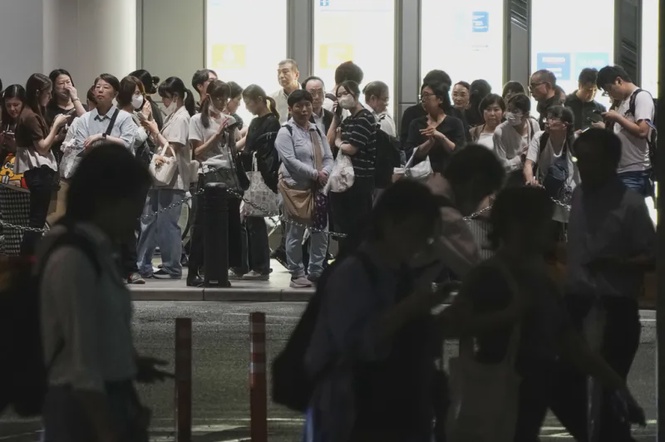
Japan's new residency fee schedule took effect on October 1, lifting the cost of a permanent residency application from 10,000 yen to 200,000 yen. The change set off a scramble at immigration offices nationwide, where applicants queued for hours to file before the old rates expired on September 30.
The Immigration Services Agency, which oversees visas and residency in Japan, said any application received through September 30 would be charged at the old rates, even if approval came after October 1. That rule gave foreign residents a strong reason to submit paperwork early, and many did.
New Fees Scale With Length Of Stay
Under the revised system, the charge for changing or renewing a status of residence is divided into seven tiers based on how long the permit lasts. At the counter, the old flat fee was 6,000 yen. It now starts at 10,000 yen for stays of up to three months and climbs to 75,000 yen for stays of five years or longer, a rise of as much as 12.5 times.
Online applications cost less in every tier. They were previously charged 5,500 yen, compared with 6,000 yen at the counter. Applicants who file online also pay a separate payment processing fee of either 330 yen or 550 yen. Permanent residency, by contrast, can be sought only in person, at a fee of 200,000 yen.
| Length of Stay | Counter Application (Yen) | Online Application (Yen) |
|---|---|---|
| Three months or less | 10,000 | 10,000 |
| More than three months, up to six months | 18,000 | 15,000 |
| More than six months, under one year | 25,000 | 21,000 |
| One year | 33,000 | 27,000 |
| More than one year, under three years | 48,000 | 42,000 |
| Three years or more, under five years | 64,000 | 56,000 |
| Five years or more | 75,000 | 65,000 |
| Permanent residency | 200,000 | Not available (counter only) |
Source: Immigration Services Agency of Japan. Online applicants pay an additional payment processing fee of 330 or 550 yen.
Hundreds Queued At The Osaka Bureau Before The Deadline
The pressure was most visible at the Osaka Regional Immigration Services Bureau. Kyodo News reported that about 350 people were already waiting when the office opened at 9 a.m. on September 29, with the line spilling out of the building. By 2 p.m., the estimated wait had grown to four and a half hours.
The Immigration Services Agency issued an urgent notice saying that regional offices across the country were extremely crowded and that very heavy traffic was expected on September 29 and 30. It warned that parking might not be available and urged applicants to travel by public transportation. According to Storm Media Japan's reporting, the online application system also became difficult to use as the deadline approached.
Hardship Reductions And Diplomatic Exemptions Also Begin
The agency has said the October 1 changes also introduce relief for some applicants. Foreign residents in severe financial hardship, defined as roughly comparable to people who qualify for public assistance and who warrant humanitarian consideration, can pay 10,000 yen for a status change or renewal and 20,000 yen for permanent residency. The permanent residency reduction is limited to spouses and children of Japanese nationals, permanent residents, and special permanent residents. Because supporting documents are required, these applicants must file at the counter rather than online.
Certain groups are exempt from the fees entirely, including holders of diplomatic or official statuses. The list also covers staff of the Taiwan-Japan Relations Association's offices in Japan, which serve as Taiwan's de facto mission there because Tokyo and Taipei have no formal diplomatic ties, along with members of their households who apply under the Designated Activities category. Taiwanese nationals who live, work, or study in Japan under ordinary status categories are subject to the same fee schedule as other foreign residents.
Takaichi Government Frames The Increase As Cost Sharing
Prime Minister Sanae Takaichi addressed the policy on September 27, when she published four long posts on social media about the government's approach to foreign residents. She said the administration takes seriously the unease and sense of unfairness that some citizens feel as the number of foreign residents grows, and described the fee increases as an application of the principle that beneficiaries should bear the cost. The revenue, she said, would help cover rising administrative expenses tied to improving the reception environment and promoting coexistence, as Storm Media Japan reported earlier.
Takaichi also said that revised guidelines for permanent residency, which would raise the household income standard and take Japanese language ability into account, are scheduled to take effect on October 1.
Shinjuku Rally Draws About 30 Protesters
Away from the immigration counters, a citizens' campaign opposing the immigration law revisions, known in Japanese as #入管法改悪反対アクション, held a rally on the evening of September 27 at the south exit of Shinjuku Station in Tokyo. Participants accused immigration authorities of violating the human rights of foreign residents, including refugees.
Citizens started the campaign to oppose amendments to the Immigration Control and Refugee Recognition Act pursued in two consecutive years beginning in 2023. It has held street demonstrations in Shinjuku nearly every month since September 2024 and has now been running for two years. Over that period, the government has stepped up the deportation of refugee applicants and tightened controls on foreign nationals who reside in Japan legally, a trend that now includes higher fees.
About 30 people took part in the latest rally. They held placards reading "Protect human rights" and "Protect lives," voiced opposition to government policy, and urged the public to speak out against discrimination toward foreigners.
Social Media Links & Editor Tag - Penny