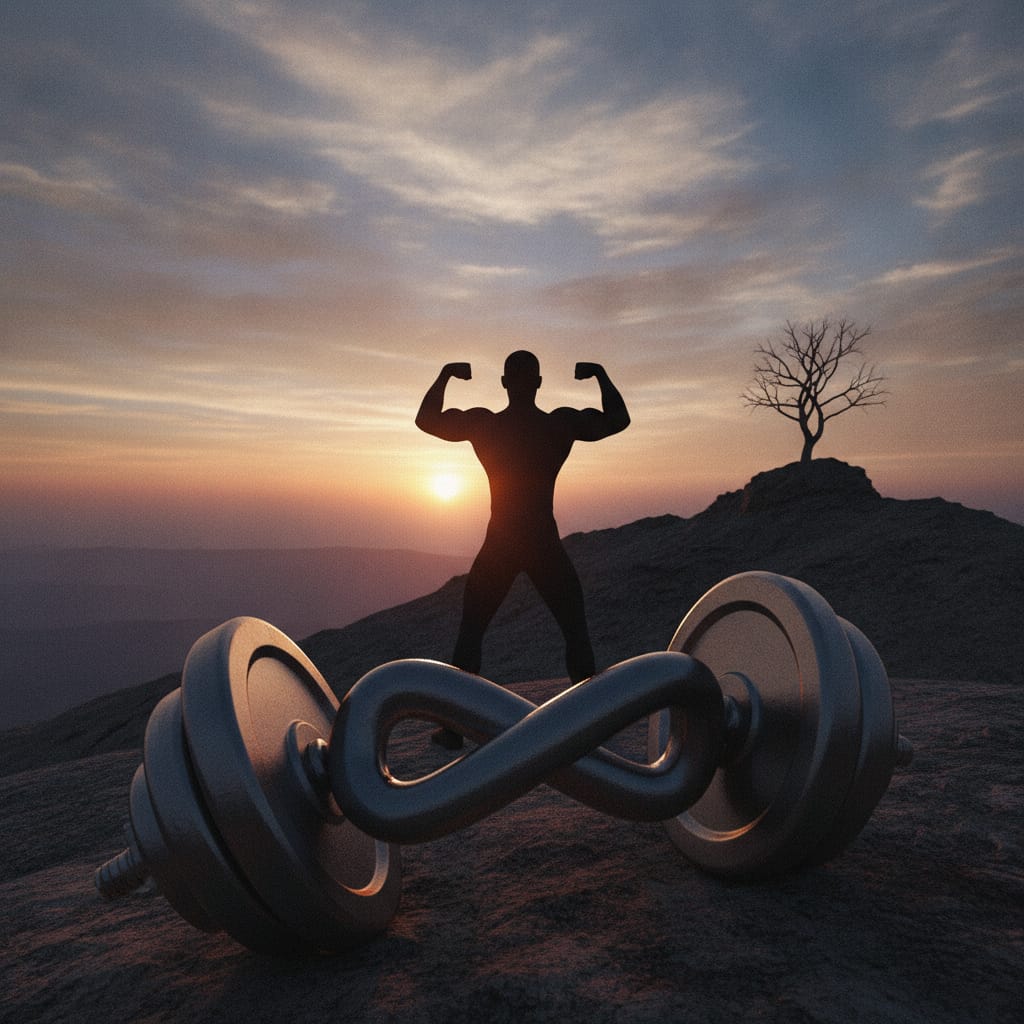
Have We Simply Replaced One Beauty Standard with Another?
For years, the message was simple: if you wanted to look good, you had to be thin. Now, the message seems to have changed. Lift heavier. Build muscle. Get stronger.
At first, this sounds like a positive shift. After all, why should fitness be measured by how little space our bodies take up when they can do so much more?
But here is the catch: if society once pressured people to become thinner and now encourages them to become stronger, have we really moved beyond unrealistic body expectations? Or have we simply given the ideal body a new shape?
For decades, the weighing scale has held an almost unquestionable authority over how people perceive themselves. A smaller number could spark celebration, while a few extra kilograms might send someone searching for the latest diet trend. From magazine covers to carefully curated social media feeds, thinness has long been associated with beauty, confidence and even success.
However, a growing shift in fitness culture is challenging the belief that a smaller body automatically means a healthier one. Instead of focusing exclusively on losing weight, more people are embracing strength training, improving their endurance and discovering what their bodies are capable of.
And there are good reasons for this change.
Strength training, once commonly associated with bodybuilding, is attracting people from different age groups and fitness backgrounds. More individuals are incorporating resistance exercises into their routines, not merely to change their appearance but to improve their physical capabilities.
The benefits extend far beyond visible muscles. Regular strength training can improve muscular strength, support bone health, maintain mobility and make everyday activities easier.
Think about it. Being able to carry heavy groceries, climb several flights of stairs without getting exhausted or complete a challenging hike can be just as meaningful as achieving a particular body shape.
After all, what good is looking fit if we struggle to enjoy the activities we love? Fitness should not simply be about looking as though we exercise; it should also be about having the strength and stamina to live life to the fullest.
Social media has played an undeniable role in bringing this changing fitness culture into the spotlight.
Platforms such as Instagram and TikTok have made workout routines, fitness advice and personal transformation stories more accessible. Fitness creators have also helped challenge misconceptions surrounding women and weightlifting, encouraging more women to embrace strength training without fearing that they will automatically develop bulky physiques.
For many, this is a refreshing change. Women are increasingly being encouraged to build strength rather than simply focus on becoming smaller.
But look closely at today's fitness culture, and something seems strangely familiar. The bodies being celebrated may have changed, but the pressure to achieve them has not.
Scroll through fitness content long enough, and perfectly sculpted physiques, visible abs, impressive lifting records and dramatic transformation photographs begin to dominate the screen. While some creators promote body confidence and realistic fitness journeys, others showcase carefully edited physiques, extreme workout routines and questionable transformation programmes.
Suddenly, the pressure to lose weight may have been replaced by the pressure to build muscle, maintain a toned physique and achieve a certain level of physical performance.
Instead of feeling inadequate for not being slim enough, individuals may begin feeling inadequate for not being muscular enough.
This raises an uncomfortable question: have we really changed our perception of beauty, or have we simply changed the shape of the ideal body?
The problem is not strength training itself. It is the expectation that everyone should look a certain way to prove that they are fit.
Consider what happens when exercise stops being something we enjoy and becomes something we feel guilty about missing. When eating a favourite meal comes with the pressure to burn off the extra calories, or when every glance in the mirror becomes an opportunity to find something that needs improving.
At what point does the pursuit of fitness become another form of body obsession?
There is a fine line between pursuing a healthier lifestyle and becoming consumed by the need to achieve a particular physique. Exercise should not become a punishment for enjoying food, nor should it be treated as a competition against someone else's progress.
Two people can have entirely different body shapes and still be equally active and physically capable. Health cannot be determined by appearance alone, and there is no single body type that represents fitness.
More importantly, an active lifestyle does not have to begin with an expensive gym membership or an elaborate workout programme.
Walking, swimming, cycling, dancing and playing recreational sports are all ways to stay active. Even simple bodyweight exercises can help beginners gradually build strength and confidence.
What matters is finding activities that are enjoyable, sustainable and appropriate for one's abilities. Consistency should matter more than perfection, and progress should be measured against personal goals rather than someone else's highlight reel.
Perhaps it is time to rethink what being strong really means.
Strength is not limited to visible muscles or the amount of weight someone can lift. It can mean having the endurance to complete a challenging hike, the confidence to try an unfamiliar sport or the discipline to maintain a healthy routine.
It can also mean respecting our bodies, recognising our limitations and understanding that progress looks different for everyone.
Ultimately, the real achievement is not having the perfect physique but developing a healthier relationship with our bodies.
The weighing scale may still have its place, but it should never become the ultimate judge of our worth. Neither should the mirror, the gym or the carefully curated fitness images appearing on our social media feeds.
Perhaps we should stop asking whether we are slim enough, toned enough or strong enough to meet society's expectations.
Because if we are still chasing an ideal body to feel good about ourselves, have we really escaped the pressure of beauty standards?
Maybe the real measure of progress is not how much our bodies change, but how much less we feel the need to change them to satisfy others.
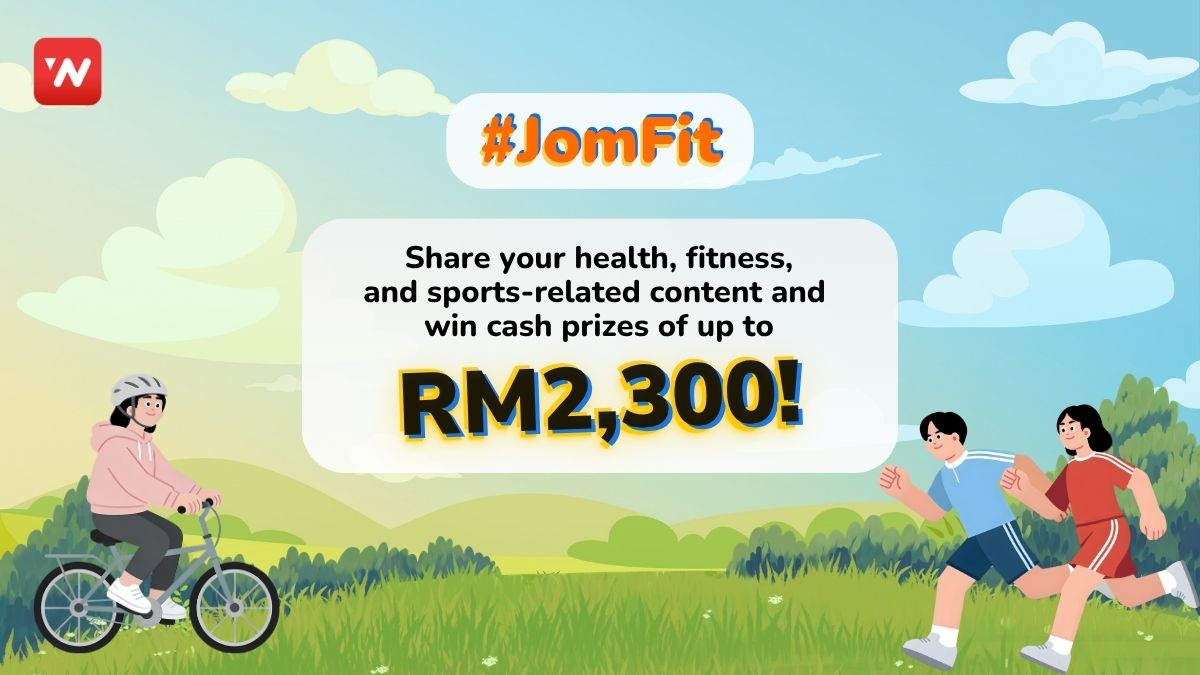
Share your fitness and healthy lifestyle stories through #JomFit and stand a chance to win cash prizes worth up to RM2,300!
Find out how to join here. Don't miss out! T&Cs apply.
Isabel Lim (isabellimyt@gmail.com) is a content creator under the Newswav Creator programme, where you get to express yourself, be a citizen journalist, and at the same time monetize your content & reach millions of users on Newswav. Log in to creator.newswav.com and become a Newswav Creator now!
The User Content (as defined on Newswav Terms of Use) above including the views expressed and media (pictures, videos, citations etc) were submitted & posted by the author. Newswav is solely an aggregation platform that hosts the User Content. If you have any questions about the content, copyright or other issues of the work, please contact creator@newswav.com.