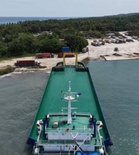
THE Philippines cannot function without inter-island shipping. In an archipelago of more than 7,000 islands, ferries, roll-on/roll-off (RoRo) vessels, and cargo ships are not simply another mode of transportation. They are part of the infrastructure that keeps the economy moving, carrying food, vehicles, construction materials, agricultural products, and merchandise across the country.
Yet behind every sailing is a business that must make the numbers work.
The recent maritime incident involving a vessel bound for Coron, Palawan, again brought attention to safety at sea.
It also opened a different discussion after Montenegro Shipping Lines temporarily stopped accepting electric and hybrid vehicles aboard its vessels.
The cause of the fire remains under investigation, and there is no basis to conclude that an electric vehicle caused it. But the episode illustrates the difficult position shipping operators face when new risks emerge.
For a vessel operator, safety is not separate from business viability. An accident can result in loss of life, damage to vehicles and cargo, regulatory investigations, service interruptions, and substantial liabilities. A vessel taken out of service stops earning, even as many expenses continue.
Shipping, after all, is a capital-intensive business. A vessel has to be crewed, insured, maintained and repaired, whether it sails full or half-empty. Fuel bills, port charges, regulatory fees, inspections, surveys, and periodic dry-docking add up. Safety equipment must be maintained.
Compliance itself costs money, but cutting corners can cost considerably more.
Fuel makes the equation even harder. Operators have little control over international oil prices, but fuel represents a major operating expense. When prices rise, a company can absorb the increase, reduce sailings, or pass part of the cost to passengers and cargo customers. None of these choices is painless.
Higher fares and freight charges can discourage customers and increase the cost of doing business. Absorbing the increase reduces margins. Cutting trips may save some expenses, but passengers and shippers also value frequency and reliability. An unreliable route can lose customers even faster.
Then there is the economics of the route itself. Busy corridors can support frequent sailings because passengers, vehicles, and cargo provide several revenue streams. On thinner routes, demand may fluctuate widely.
Communities nevertheless expect regular service. A ferry cannot simply remain at the pier until every seat is occupied and the vehicle deck is full.
Cargo
This is why cargo matters, too. RoRo operators earn not only from passengers but from motorcycles, cars, buses, vans, trucks, and commercial loads. Dedicated cargo vessels carry containers, agricultural produce, industrial inputs, and consumer goods. Space aboard a vessel is effectively inventory. Once the ship sails with that space empty, earning opportunity is gone.
Domestic freight forwarders face a similar calculation. They consolidate shipments, secure vessel space, prepare documents, and coordinate trucking, storage, and delivery. For many small businesses, the forwarder is the link between a supplier on one island and a customer on another.
Their margins are vulnerable. A quotation made today may be overtaken by higher shipping, fuel or trucking costs tomorrow. Incorrect weight or dimensions can generate additional charges. Bad weather, port congestion, mechanical problems and canceled voyages can leave goods waiting while storage costs accumulate and customers expect delivery on schedule.
The business therefore depends on volume, efficiency, and disciplined capacity management. Operators must constantly balance frequency against demand, price against cost, and commercial returns against the obligation to provide safe and dependable service.
This is where public policy matters. Republic Act 9295, or the Domestic Shipping Development Act, recognizes domestic shipping as necessary infrastructure and seeks the continued viability of domestic shipping operations. That objective is as relevant today as when the law was enacted.
Passengers want affordable fares. Businesses want lower freight costs. Government must demand safety and compliance. Shipowners and forwarders need enough revenue to maintain equipment, pay workers, invest, and continue operating.
The challenge is not to choose among these interests, but to keep them in workable balance. Shipping that becomes too expensive raises the price of goods across islands. Shipping that becomes financially unsustainable eventually means fewer investments, older vessels, reduced services, and weaker connectivity.
For an archipelagic country, keeping ships afloat is more than a shipowner’s concern. It is part of keeping the Philippine economy afloat.
Severo C. Madrona Jr. is a professional lecturer at the Department of Commercial Law, RVR College of Business, De La Salle University.