Tenaga Nasional Berhad (TNB) reinforced its commitment to protecting electricity customers from rising global fuel costs through close cooperation with the Government, supported by its sustained financial and operational resilience for the nine months ended 30 September 2026.
Against the backdrop of global fuel market uncertainties, including challenges arising from developments in West Asia, TNB remained focused on managing costs responsibly, supporting customers and sustaining the financial strength needed to meet Malaysia's growing energy requirements.
Putting Customers First Amid Global Fuel Pressures
As global fuel cost pressures continue to affect energy markets, TNB and the Government have undertaken coordinated measures to cushion customers from the impact of rising costs, while ensuring the continued reliability and sustainability of electricity supply.
While fuel cost fluctuations are reflected through the Government-approved Automatic Fuel Adjustment (AFA) mechanism, TNB has also taken proactive measures to support customer protection.
TNB is estimated to absorb up to RM150 million in AFA and retail charges following the expansion of the domestic customer protection threshold from 600 kWh to 800 kWh per month between September and December 2026, benefiting more than eight million, or up to 90% of domestic customers. These measures serve as an investment to forge long-term trust and regulatory stability, building the foundation for TNB’s sustainable returns.
This complements the Government’s RM435 million injections from the Electricity Industry Fund (KWIE) to moderate AFA surcharges for May to August 2026. Customers had also received RM3.1 billion in AFA rebates between July 2025 and April 2026, reflecting the mechanism’s response to movements in global fuel costs.
Together, these measures reflect the close cooperation between TNB and the Government in managing global fuel cost pressures while prioritising the interests and wellbeing of electricity customers.
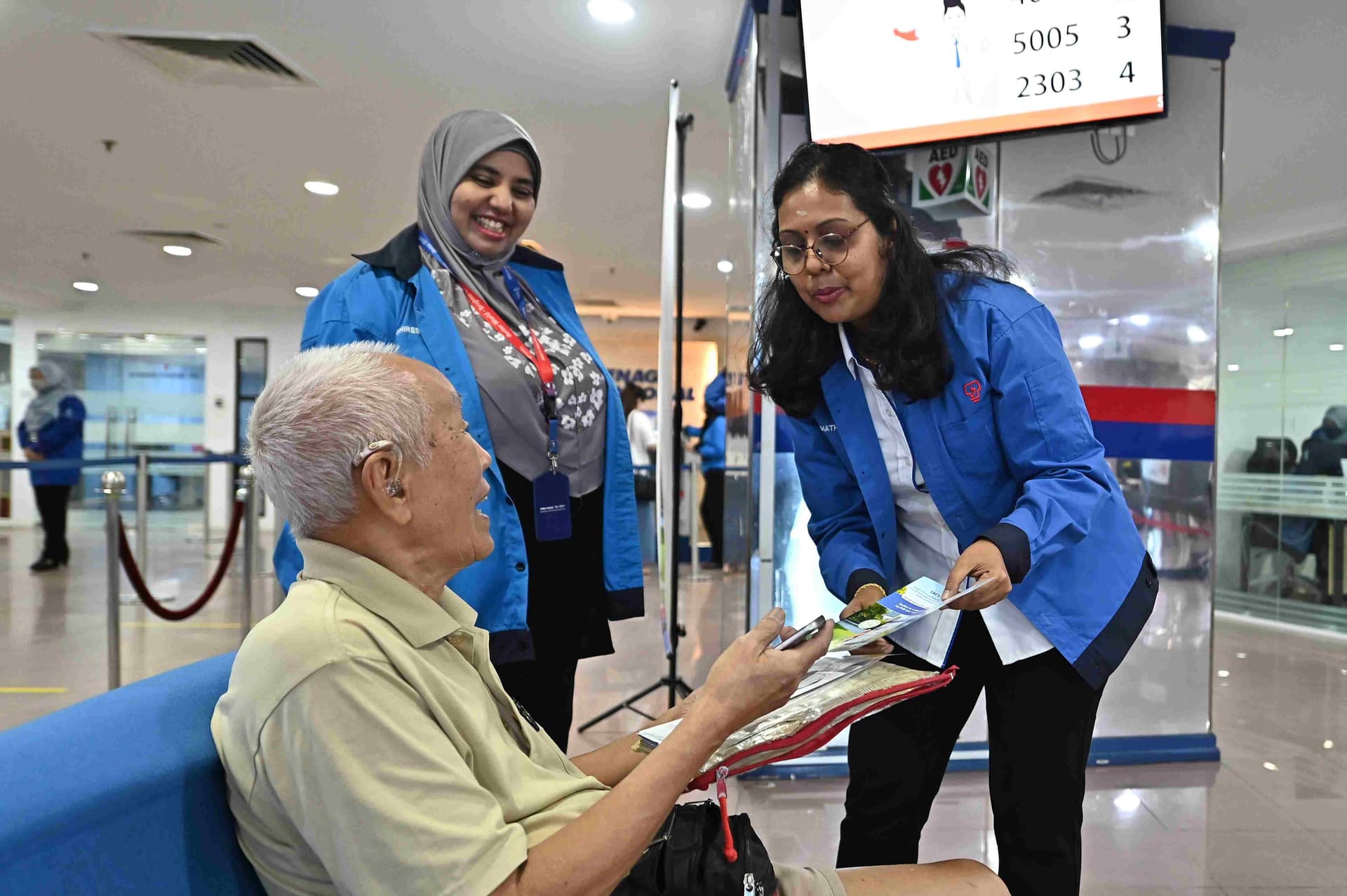
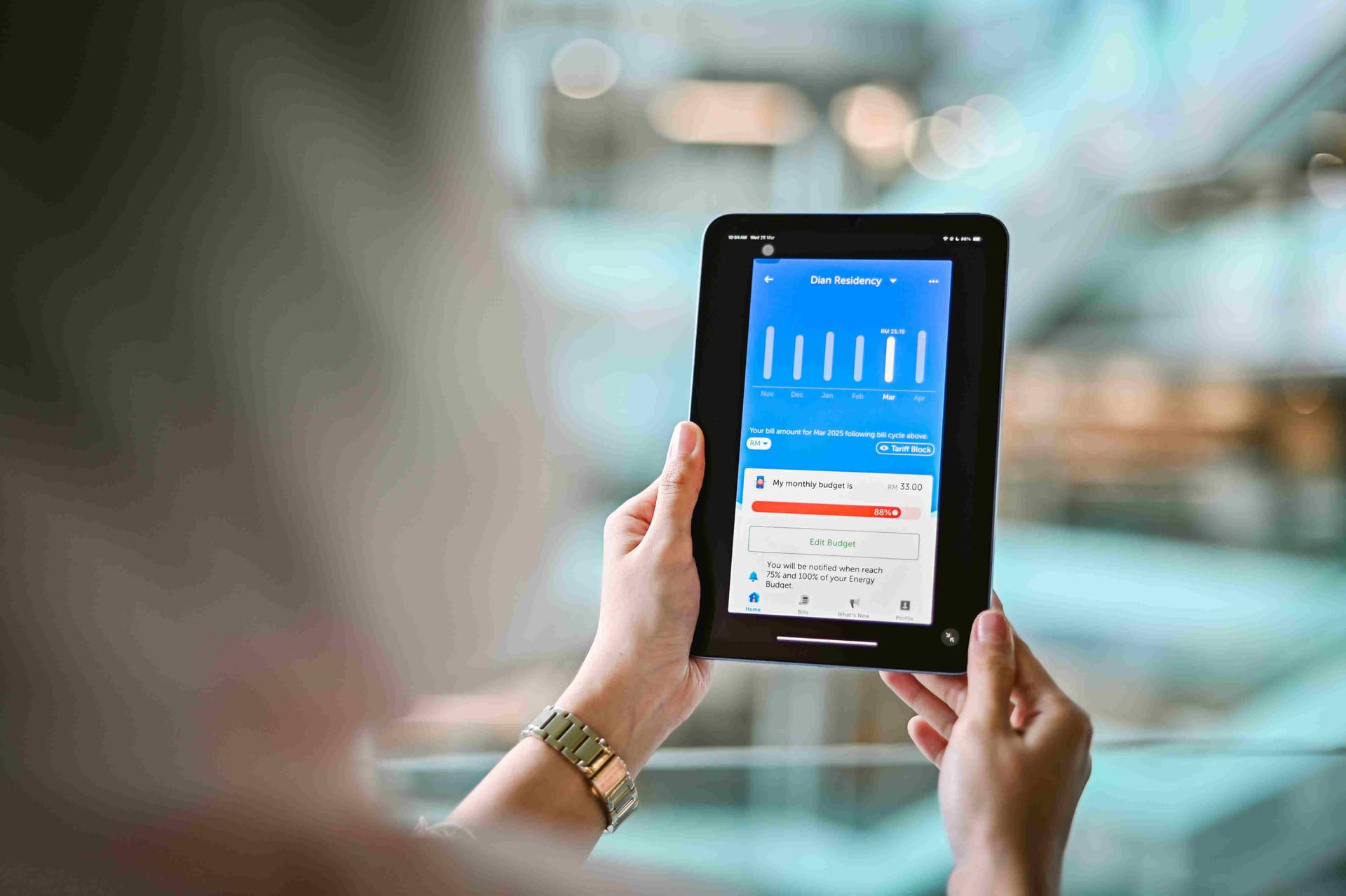
Beyond cost mitigation, TNB continued empowering customers to manage their electricity consumption. The myTNB app enables customers to monitor their electricity usage, while its Energy Budget feature helps them plan and manage monthly consumption. The Time-of-Use (ToU) mechanism further provides eligible customers to manage costs by shifting usage to off-peak periods.
TNB President/Chief Executive Officer, Dato’ Sri Ir. Ts. Shamsul Ahmad, said the Group remained committed to supporting customers while sustaining the operational and financial resilience required to deliver reliable electricity and prepare Malaysia's energy system for future growth.
“Our responsibility goes beyond keeping the lights on. It is about ensuring that households have reliable electricity for everyday life, businesses have the energy they need to grow, and Malaysia has a resilient electricity system capable of supporting its economic ambitions,” he said.
Keeping Malaysia Powered
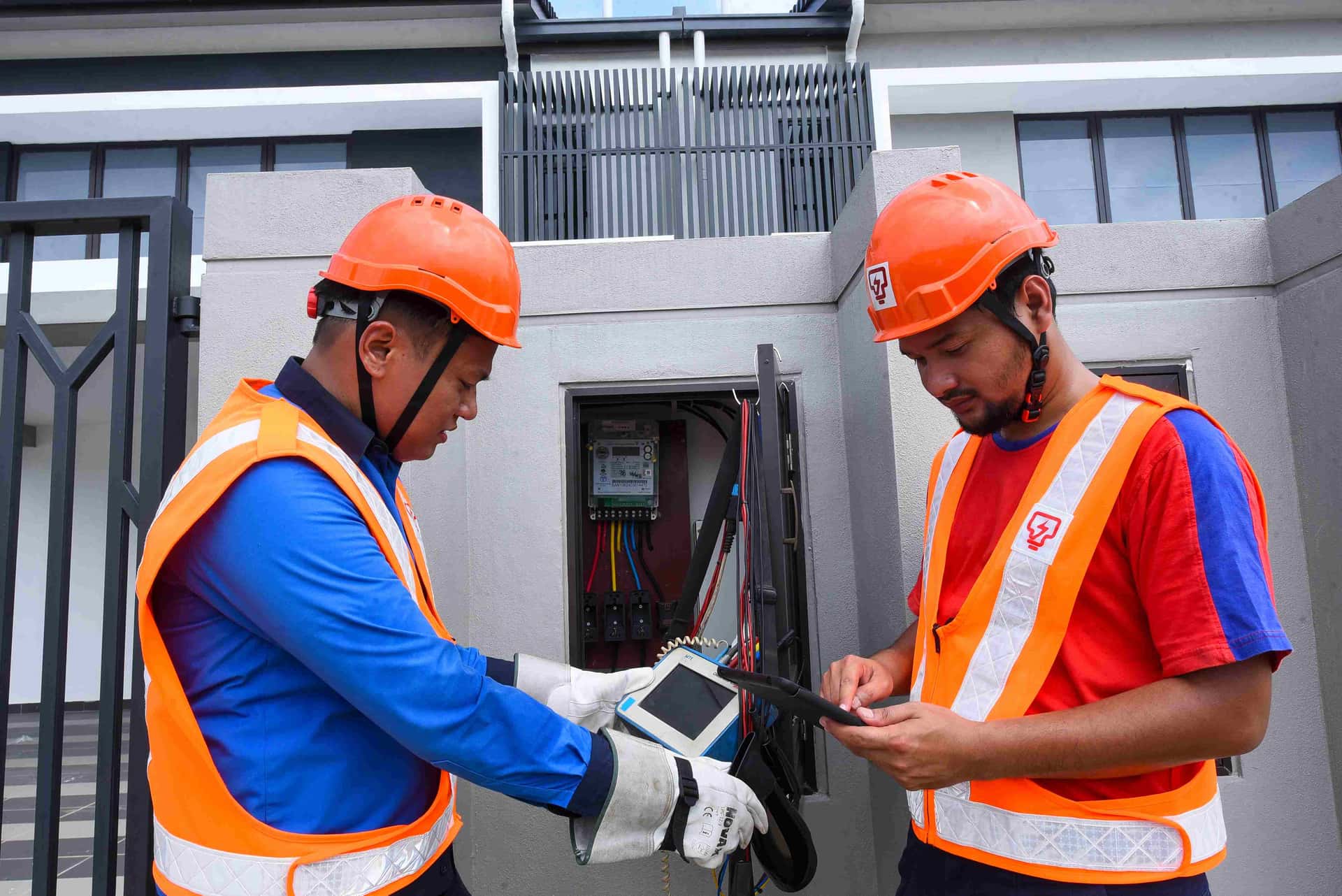
TNB continued to maintain dependable electricity amid increasing demand driven by industrial expansion under the Malaysia’s New Industrial Master Plan 2030 (NIMP 2030), the growing digital economy and rising investments in data centres.
Electricity demand grew by 8.3% year-on-year to 108.2 TWh, supported by increased consumption from the commercial and domestic sectors, alongside expanding economic activities and growing energy requirements from data centres, digital infrastructure and retail businesses.
Meanwhile, the System Average Interruption Duration Index (SAIDI) improved to 34.90 minutes from 34.99 minutes during the corresponding period last year. This reflected TNB’s continued focus on operational performance and supply reliability, supported by preventive maintenance, network automation and operational readiness.
Advancing Malaysia’s Energy Transition Ambitions
In support of Malaysia’s National Energy Transition Roadmap (NETR), TNB continued investing in critical energy infrastructure to accelerate renewable energy integration, enhance grid flexibility and ensure a reliable electricity supply as the nation transitions towards a lowcarbon economy.
During the period, the Group invested RM9.1 billion in reliability-related projects, supporting the development of a modern, resilient electricity system capable of accommodating growing demand and a more diversified energy mix.
Key initiatives include:
- 500 kV National Grid Backbone: Development of a 500-kilometre transmission backbone, targeted for completion by 2030, to strengthen grid connectivity and facilitate future energy integration.
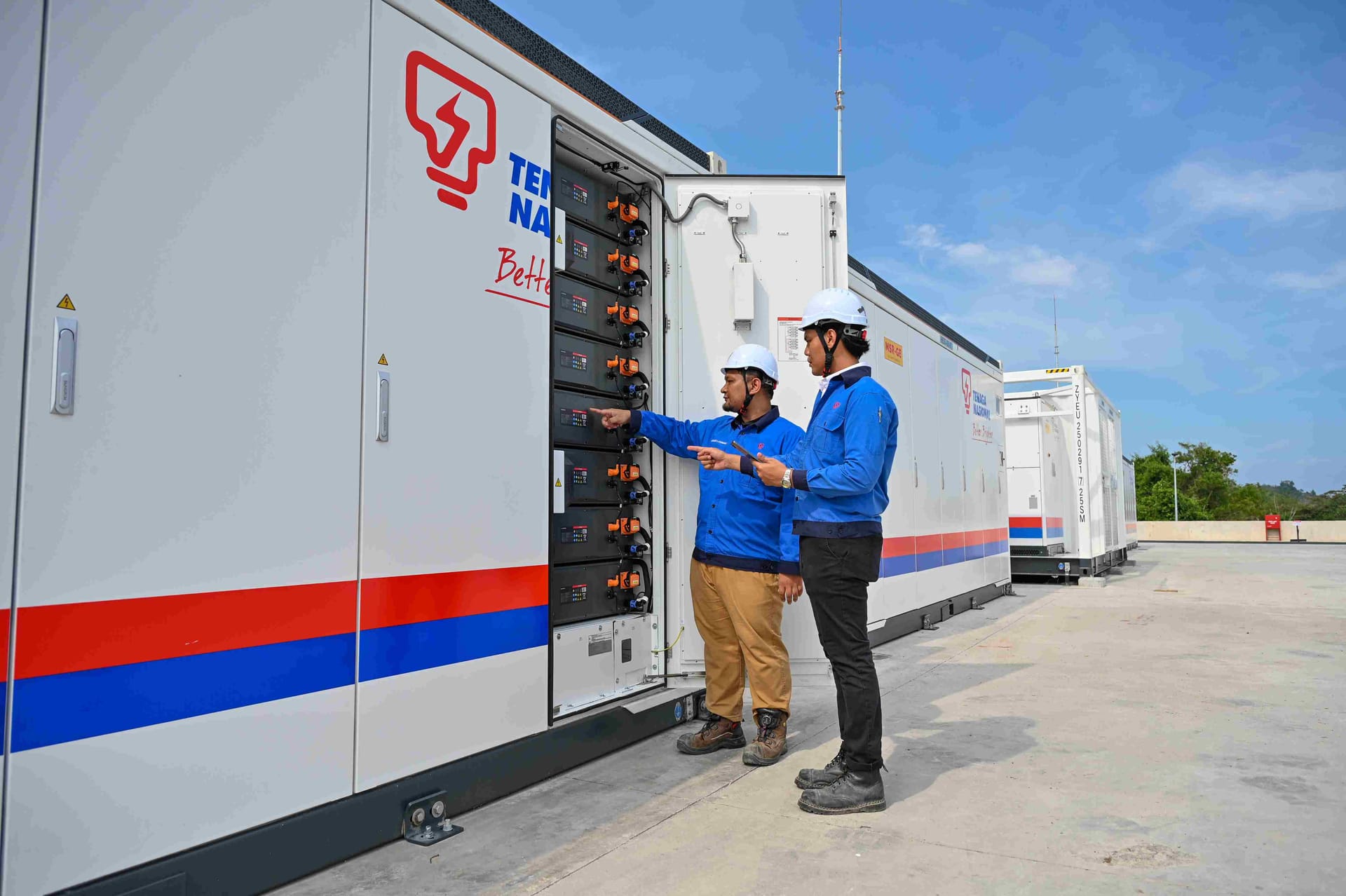
- Battery Energy Storage System (BESS): Commissioning of the 100-megawatt/400megawatt-hour BESS in Santong, Terengganu, which was recognised as Malaysia’s first grid-connected, grid-forming BESS.
- Regasification Terminal 3 (RGT-3): Collaboration with PETRONAS Gas Berhad to develop the facility in Lumut, Perak, enhancing long-term liquefied natural gas (LNG) supply resilience to support reliable electricity generation.
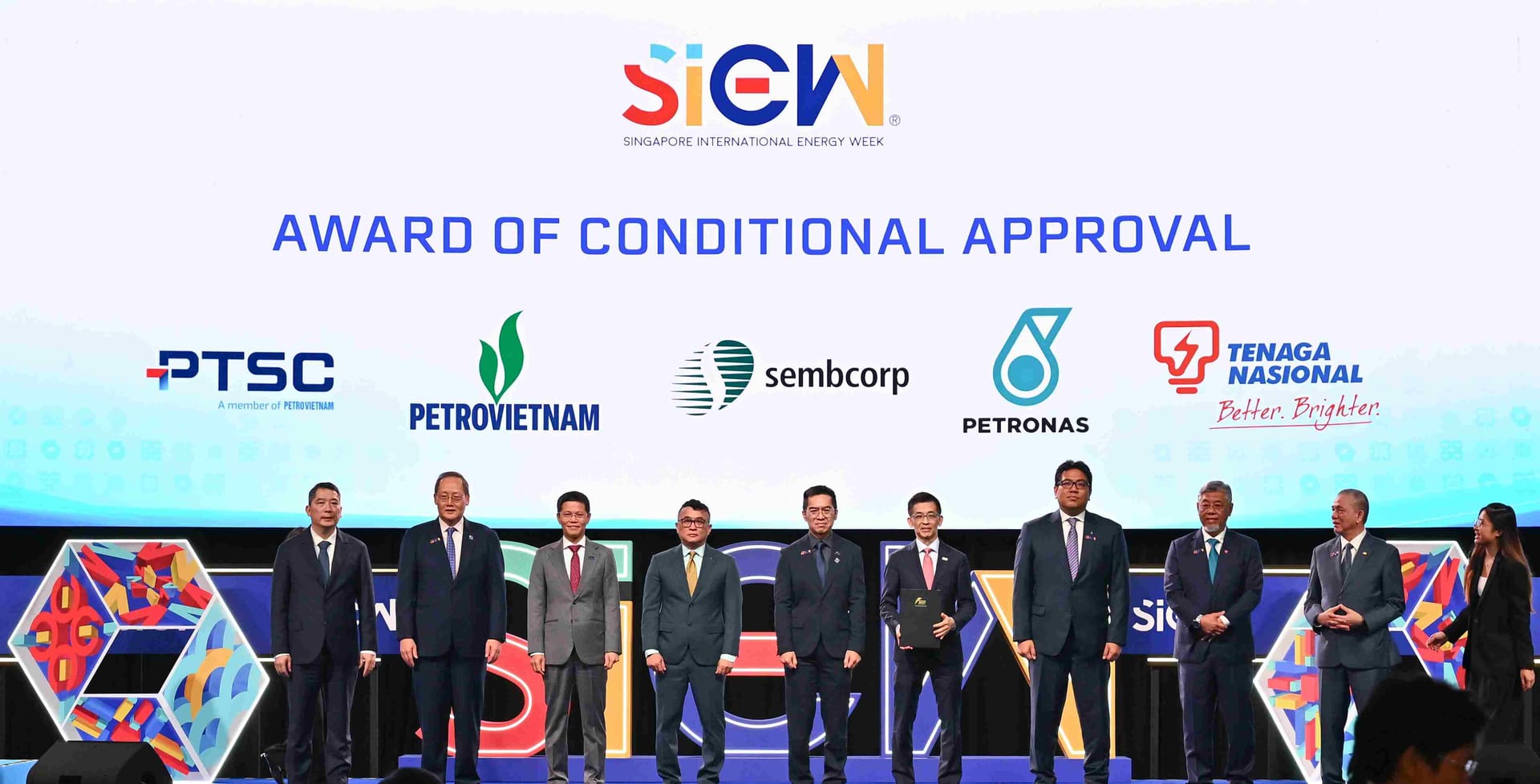
TNB also advanced regional energy connectivity through the ASEAN Power Grid (APG), including recent progress on the Vietnam–Malaysia–Singapore (VMS) cross-border electricity initiative, which aims to facilitate renewable energy exports from Vietnam through Malaysia to Singapore.
TNB remains committed in working closely with the Government to ensure Malaysia’s energy transition is delivered in an orderly, affordable and secure manner. A stable and predictable regulatory environment will be critical to sustaining the investments needed for grid modernisation and renewable energy integration.

Creating Values for Communities and the Nation
Beyond electricity supply, TNB continued contributing to Malaysia’s sustainable development through environmental conservation, education and community empowerment.
Throughout the period, the Group channelled RM186 million towards community development and corporate social responsibility initiatives, including:
- Education (RM133.2 million): Support through UNITEN and Yayasan Tenaga Nasional, benefitting approximately 218,000 students.
- Economic and Social (RM23.3 million): School assistance, community electrification, disaster relief and Projek Mesra rakyat, benefitting 225,000 individuals.
- Sports Development (RM12.4 million): Hockey development and other sports initiatives, benefitting 54,000 athletes and sports enthusiasts.
- Environmental Protection (RM3.0 million): MyBrighter Green and other conservation initiatives.
- Nation Building (RM14.2 million): Initiative supporting energy transition awareness, national unity, and technical and vocational education and training (TVET).
Additionally, RM10.6 million in zakat wakalah was channelled to over 60,000 asnaf beneficiaries.
Sustaining Performance to Deliver Long-Term Value
During the nine-month period, TNB recorded revenue of RM53.9 billion, compared with RM50.1 billion in the corresponding period last year, while earnings before interest, taxes, depreciation and amortisation (EBITDA) stood at RM16.1 billion.
TNB’s resilient performance was supported by higher electricity sales, disciplined financial management and continued efforts to optimise operational efficiency across its businesses.
TNB’s achievements also gained recognition locally and internationally, including Brand of the Year 2026-2027 at the World Branding Awards, Power Utility of the Year at Enlit Asia, and Best Public Utility App for myTNB by PC.com Readers’ Choice Awards 2026, reflecting its operational excellence, brand strength and customer-centric digital innovation.
Staying focused on Malaysia’s Energy Future
Looking ahead, TNB expects electricity demand to be influenced by commercial growth, digitalisation and expanding energy requirements, while remaining mindful of global fuel market uncertainties.
TNB remains committed towards prioritising investments aligned with the NETR, particularly grid modernisation, renewable energy integration and system readiness, to support Malaysia’s economic growth and transition towards a sustainable energy future.
“TNB will continue balancing operational reliability, financial discipline and long-term investments to meet Malaysia’s evolving energy needs. Our focus remains on delivering secure electricity today while building a stronger, more sustainable energy system for tomorrow,” Shamsul said.