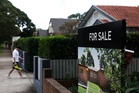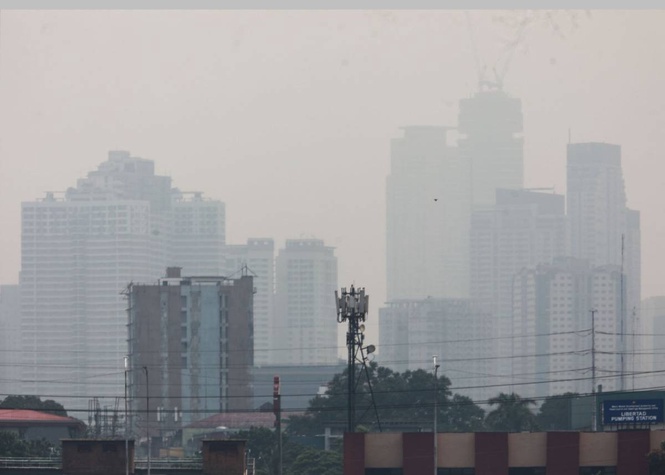
MANILA, Philippines — A lawmaker has called for stronger coordination among government agencies, property developers and housing finance institutions to bridge the gap between residential property prices and what Filipino families can afford.
Rep. JP Padiernos, a member of the House Committee on Banks and Financial Intermediaries, said the housing challenge was not simply about building more homes but ensuring that available properties matched household incomes and financing capacity.
He stressed the need for closer coordination among concerned agencies amid the reported sales dip in the property sector.
He said stronger public-private partnerships could help identify practical ways to make home ownership more attainable through manageable monthly payments while allowing developers to deliver quality housing at commercially sustainable prices.
“Prices, down-payment requirements, monthly amortization, location and loan eligibility can prevent potential buyers from purchasing available units, while developers face financing, maintenance and other costs when inventory remains unsold,” Padiernos, who has authored or co-authored at least seven bills on condominium redevelopment, urban development and socialized housing, said.
The proposed approach would examine targeted financing assistance, more efficient construction methods, improved infrastructure coordination and streamlined government approvals to reduce avoidable costs without compromising construction quality or buyer protection.
The call comes as Colliers Philippines reported about 79,200 unsold condominium units in Metro Manila at the end of 2025, including nearly 30,000 ready-for-occupancy units. The real estate research firm projected residential vacancy to reach 25.6% by the end of 2026.
Pag-IBIG Fund’s housing loan releases offer one measure of the demand for financing. The agency reportedly released P69.19 billion in housing loans covering 43,051 units in the first half of 2026, up 15% in loan value and 9% in units financed from the same period last year.
Socialized housing loans for minimum-wage and low-income members reached P6.70 billion, financing 6,601 units. The amounts represented year-on-year increases of 118% in loan value and 132% in units financed.
Pag-IBIG offers eligible socialized-housing borrowers an annual interest rate of 3%, alongside promotional rates of 4.5% and 5.75% for qualifying loans in other housing price categories. Its maximum housing loan ceiling is P10 million, subject to program conditions.
Padiernos said the existing financing programs provided a basis for examining how assistance could help qualified households purchase homes that would otherwise be beyond their reach.
The broader housing situation is reflected in the Philippine Statistics Authority’s 2020 Census of Population and Housing, which recorded approximately 28.50 million housing units nationwide, of which 25.19 million were occupied, alongside 26.38 million households.
The 1.18-million difference between households and occupied housing units indicates housing pressure but is not an official estimate of the housing backlog or the number of families able to purchase available homes.
Colliers identified economic and affordable condominiums as the main drivers of residential demand in the first half of 2026, underscoring the importance of aligning housing products with buyers’ purchasing power.
Among major developers, Ayala Land Inc. generated P41 billion in property development revenues in the first half of 2026, ahead of Megaworld Corp. with P27.2 billion, SM Prime Holdings with P20.9 billion and Robinsons Land Corp. with P7.1 billion.
Ayala Land also reported that its residential inventory levels improved from 18 months in the first quarter to 15 months, while it turned over nearly 6,000 residential units across 40 projects during the first half.