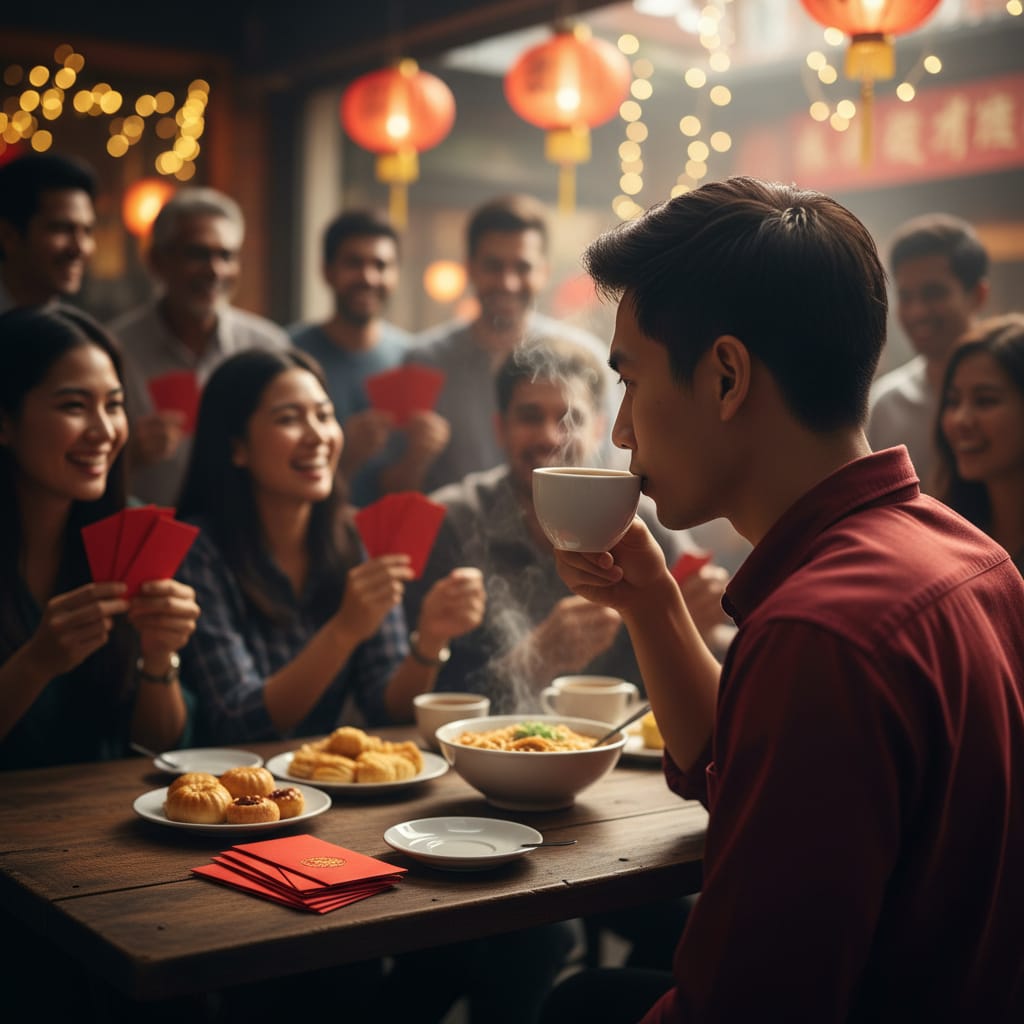
In a crowded kopitiam in Kuala Lumpur on the eve of Chinese New Year, a 32-year-old man named Wei sips kopi kosong and shrugs at the question most Malaysian families still ask around this time: “When are you getting married?” Throughout January 2026, this question echoed in living rooms across the country, alongside another more playful refrain: “Angpao na lai?” “Give me red packets!” Angpao in Malaysia are traditionally given by married adults to children and unmarried adults during the first 15 days of Chinese New Year as a symbol of prosperity and blessings. (Little Steps)
For Wei, though, the festive season has become a bittersweet countdown of expectations he would rather avoid not because he dislikes blessings, but because in his mind the cash in red packets feels easier to manage than the tabs of a wedding bill.
This story might sound funny or absurd at first glance. But it reflects deeper changes in attitudes toward marriage, finances, and personal priorities among young adults both in Malaysia and globally.
When Tradition Meets Modern Reality
To understand why your single cousin might joke about “angpao only, nothing else”, you need to see what angpao means today in Malaysia.
• Angpao are red envelopes given as blessings for prosperity during Chinese New Year. It is common for married adults and elders to give them to children and unmarried adults. (Little Steps)
• In 2026, typical amounts range from small digital angpao of RM5–RM10 to larger packets like RM50–RM150 for close family members. (| Loanstreet)
• Although tradition doesn’t require a working adult or older single child to receive angpao, many families still do it as a blessing even if the recipient is in their 30s or 40s. (reddit.com)
But beyond the numbers and etiquette, angpao have become a light-hearted lens on how younger generations view money, adulthood, and marriage.
Marriage Today: A Big Ticket Event
Across the world, young adults are taking longer to marry, if they ever marry at all.
In the United States and other high-income economies, fewer than half of young adults aged 25–34 meet all four traditional milestones of adulthood (employment, moving out, marriage, children) compared with nearly half in the 1970s. Many simply delay or skip marriage due to financial pressures. (investopedia.com)
A 2023 survey found that about 75 percent of Gen Z and millennial couples believe marriage is too expensive in today’s economy, with average wedding costs reaching around $30,000. (CNBC)
The logic is simple: wedding costs, housing prices, and educational expenses have climbed faster than incomes, making the idea of a big event and immediate family formation feel like a luxury or a burden. (World ranking sites)
In some Malaysian families, this reality shows up as jokes about “just let me benefit from angpao this year and we’ll talk about weddings next decade.”
These jokes aren’t purely greedy. They reflect economic anxiety, social change, and shifting values.
The Social Pressure of Being Single During CNY
Chinese New Year is supposed to be joyous, but for unmarried adults it can also be a season of awkward comments and expectations.
Online discussions from Malaysian Reddit groups capture a familiar vibe each January:
• Some feel pressured to give angpao to parents even if they can’t afford it. (reddit.com)
• Others dread the “So when are you getting married?” chorus.
• Some unmarried adults in their 30s still receive angpao but feel awkward about it. (reddit.com)
These digital conversations show that for many, CNY is not just a festival. It’s a mirror reflecting societal values and personal anxieties.
Why This Matters Beyond Humour
The growing acceptance of singlehood or delayed marriage is not just about finances. It speaks to broader cultural and economic forces:
• Financial independence and insecurity
Young adults increasingly prioritise economic stability before major commitments. The fear of wedding debt, mortgage costs, or stagnant wages encourages many to wait even if tradition urges them to settle down. (World ranking sites)
• Changing social expectations
Marriage used to be a social milestone almost everyone reached by a certain age. Now, many see it as optional or personal. Even when couples marry, they might scale back celebrations or skip angpao obligations to control costs. (The Star)
• Blended values
Some Malaysians are merging cultural traditions with modern realities. Giving e-angpao with pleasant digital values feels right to some, while others still prefer handing over red packets by hand. (Little Steps)
These trends show that traditions like angpao remain cherished but the meaning behind them evolves.
What Experts See
Cultural sociologists and economists note that delaying marriage is a global phenomenon linked to economic pressures, values change, and evolving gender roles.
Marriage used to signify societal stability and adulthood. Now many young people view it as one choice among others not a necessity. Marrying later or not at all allows them to prioritise careers, personal goals, or financial health without societal judgment. (World ranking sites)
In Malaysia, these shifts are clearly visible during festive seasons like CNY. Where once every adult was expected to marry and establish a household, today many choose flexibility over tradition.
Red Packets as Symbol and Metaphor
For social commentators, angpao in 2026 represent more than quick cash:
• For kids, they are joy.
• For older singles, they are a welcome blessing and a reminder of social expectations.
• For families, they are tokens of connection, even when relatives live apart or choose different life paths.
They show that traditions can adapt to changing social landscapes while still preserving meaning.
A Way Forward
If this story feels familiar perhaps because you or someone you know jokes about marriage and angpao at CNY it’s because it captures real tensions between tradition and modern life.
Here are practical ways families and young adults can navigate this:
• Reframe conversations about marriage
Instead of “When are you getting married?” ask “What are your plans and hopes?”
• Value choice over obligation
Let individuals define their own milestones without guilt.
• Use angpao as blessings, not benchmarks
Focus on meaning over money.
These shifts may help families celebrate together without conflict or pressure.
What do you think? I’d love to hear your opinion in the comments section.
Angpao still symbolize luck and prosperity in 2026. But for many Malaysian young adults, they also represent a new way of living one that balances tradition with personal goals, financial realities, and evolving social norms.
AM World (tameer.work88@gmail.com) is a content creator under the Newswav Creator programme, where you get to express yourself, be a citizen journalist, and at the same time monetize your content & reach millions of users on Newswav. Log in to creator.newswav.com and become a Newswav Creator now!
The User Content (as defined on Newswav Terms of Use) above including the views expressed and media (pictures, videos, citations etc) were submitted & posted by the author. Newswav is solely an aggregation platform that hosts the User Content. If you have any questions about the content, copyright or other issues of the work, please contact creator@newswav.com.