MANILA, Philippines — The Land Transportation Franchising and Regulatory Board (LTFRB) ordered its regional offices (ROs) to coordinate with expressway operators for the timely dissemination of traffic status updates within their respective jurisdictions.
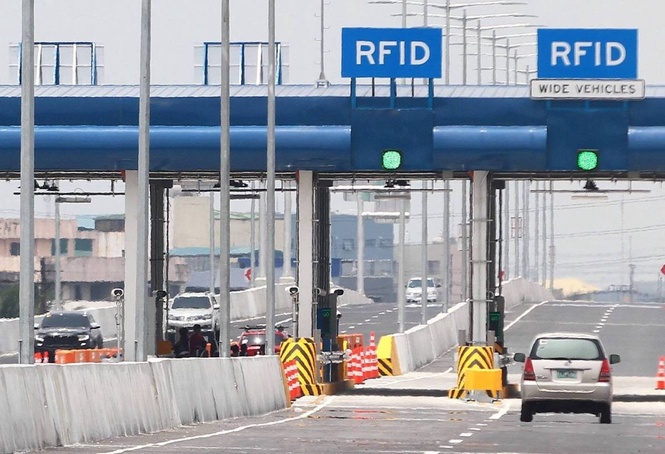
Acting LTFRB chairman Greg Pua Jr. said on Saturday that the directive covered Region 1 (Tarlac-Pangasinan-La Union Expressway/TPLEX), Region 3 (Subic-Clark-Tarlac/SCTEX and North Luzon Expressway/NLEX), Metro Manila, and Region 4A (South Luzon Expressway/SLEX, Southern Tagalog Arterial Road (STAR Tollway) and Cavite-Laguna Expressway/CALAX).
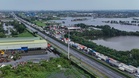
Pua said the ROS were also instructed to coordinate with the local government units (LGUs) in identifying alternative routes from expressways during emergencies and unexpected incidents—similar to the recent flooding that submerged portions of the NLEX in San Simon, Pampanga.
"Our priority has always been the welfare of passengers and the uninterrupted delivery of goods to the Filipino people. The NLEX incident is a wake-up call for the LTFRB and other agencies to step up and implement measures that maximize public assistance," Pua stressed.
The LTFRB, he said, was pursuing a two-pronged approach: first, intensifying information dissemination to transport operators and commuters; and second, mapping out alternative routes for worst-case scenarios.
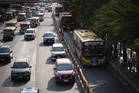
“No motorist or commuter wants to be trapped in hours-long traffic, and both strategies are essential for enabling travelers to plan their journeys ahead,” according to the acting LTFRB head.
Saying digital technology plays a critical role in keeping the public informed, Pua said real-time social media updates on expressway incidents, for instance, would give motorists the lead time to adjust their travel plans and seek alternate routes.
Yet it is precisely the lack of clear alternative routes that plagued motorists during the NLEX San Simon flooding, as evidenced by widespread discussion on social media, he said.
Pua noted this would be the area where the LTFRB could provide meaningful support—through stronger coordination with LGUs and other concerned agencies.
It was also important that the ROs would strengthen coordination with transport and trucking companies to ensure the widest possible dissemination of information during unforeseen road emergencies, he added.