Malaysia has spent years expanding digital adoption and attracting technology investment. The next challenge is different: creating more technology at home and turning Malaysian companies into global competitors.
That shift could shape the next chapter of the Malaysia digital economy, particularly as artificial intelligence (AI), cloud technology, data and digital platforms become more important across industries.
Malaysia Digital Economy Corporation (MDEC) Senior Vice President for Corporate Affairs Datuk Ts Fadzli Abdul Wahit said the country needs to move beyond being a participant in the digital economy and build more value through locally developed solutions.
Moving From Digital Adoption to Digital Creation
Malaysia already has a growing digital ecosystem. Businesses are adopting new technologies, while investments in infrastructure and digital services continue to support the wider economy.
Fadzli said the next stage should put greater attention on solutions developed in Malaysia that can be commercialised and eventually taken to international markets.
“A successful digital economy should not only attract global companies to Malaysia. It should also help Malaysian companies grow and compete globally,” he said.
The message points to a broader change in how Malaysia measures digital progress. Infrastructure and technology adoption remain important, but long-term value will also depend on whether local businesses can create intellectual property, products and services of their own.

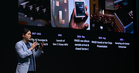
Photo: MDEC Senior Vice President (Corporate Affairs), Datuk Ts.Fadzli Abdul Wahit said that Malaysia must continue creating homegrown solutions, build greater value and develop innovations that can scale internationally.
AI Nation Ambition Raises the Stakes
The push comes as Malaysia sets longer-term targets for its technology sector.
Under the Thirteenth Malaysia Plan, the country aims to become an inclusive and sustainable AI Nation by 2030, while strengthening its position as a regional hub for digital technology and innovation. The plan also includes the development of “Made by Malaysia” products and services.
Meanwhile, the Malaysia Digital Action Plan 2030, or MD2030, sets an ambition for the digital economy to contribute 30% of gross domestic product by 2030, according to the MDEC statement.
Reaching that target will require more than businesses buying new software or moving operations online. Digitalisation will need to help companies develop products, reach new markets and create fresh sources of revenue.
Digital Technology Can Reach More Industries
The opportunity also extends beyond Malaysia’s technology companies.
AI, automation and advanced analytics can support manufacturers looking to improve efficiency and financial services seeking faster processes. They could also have practical uses in healthcare and agriculture.
For small and medium enterprises, digital tools can lower some barriers to reaching customers outside their traditional markets. That matters because SMEs often have fewer resources to expand compared with larger companies.
The bigger opportunity is to turn digital transformation into wider productivity gains rather than treating technology as a sector on its own.
Universities and Industry Have a Bigger Role
Malaysia’s ability to produce more homegrown technology will also depend on how effectively research moves from universities into the market.
Speaking at the 2nd International Conference on Global Business & Digital Economy 2026 organised by Universiti Kebangsaan Malaysia, Fadzli called for stronger cooperation between universities and industry.
Research can have greater economic value when it leads to commercial products, new businesses or technologies that solve practical problems.
Talent is another part of that equation. As AI becomes more common across workplaces, knowledge of the technology will increasingly be relevant outside traditional IT teams.
“Technology can be purchased. Infrastructure can be built. Capital can be mobilised. But sustainable innovation also requires talent, research, entrepreneurship and collaboration,” Fadzli said.
Why Homegrown Tech Matters to Malaysia
Building Malaysian technology companies with international reach could bring several benefits.
Successful local firms can create skilled jobs, retain more economic value within the country and open opportunities for Malaysian talent. Companies that expand overseas can also strengthen Malaysia’s position within Asia’s technology ecosystem.
At the same time, foreign investment remains important. MDEC’s position is not to choose between international investors and Malaysian companies, but to create an ecosystem where both contribute to growth.
Quality digital investment can bring capital, expertise and technology. A stronger domestic ecosystem can then help Malaysian businesses use those advantages to develop their own capabilities.
A Longer-Term Digital Growth Story
Malaysia’s digital ambitions are increasingly moving from adoption towards creation.
The next test will be whether investment, research, talent development and entrepreneurship can work together to produce companies that are competitive beyond the domestic market.
MDEC said it will continue working with government, industry and academia to strengthen the digital ecosystem, support local innovation and create opportunities for Malaysian businesses and talent.
For Malaysia, developing more homegrown global technology companies would represent more than a technology milestone. It would signal that the country is capturing a larger share of the value created by Asia’s expanding digital economy.
The post Malaysia’s Digital Economy Eyes Homegrown Tech Champions appeared first on RISEMALAYSIA.my.