The scene of a fatal crash along Lebuhraya Sultan Iskandar, Kuala Lumpur, on 24 October 2026, which claimed the life of 29-year-old road maintenance supervisor Faris Irfan Fazli and injured a 49-year-old lorry driver. A 26-year-old flight attendant subsequently pleaded not guilty to two drunk-driving charges in connection with the incident. (Photo: PDRM)
A drunk driver may end up behind bars after causing a fatal crash. But for the victim's family, the financial consequences can continue long after the court case ends.
Malaysia now wants courts to be able to order convicted drunk or drug-impaired drivers to compensate victims or their families, on top of existing penalties.
The proposal could make compensation easier to pursue. But how would it work, and what happens if the offender cannot pay?
TL;DR: DRUNK-DRIVING COMPENSATION COMPENSATION: Courts could order convicted offenders to pay victims or their families. SIMPLER PROCESS: Payment could be ordered during criminal proceedings. NOT YET LAW: Parliamentary tabling is targeted for early 2027. Why Does Malaysia Want To Change The Law?
As Bernama reported, victims seeking damages generally face a separate civil process, which can be costly and time-consuming. The proposed amendment to the Road Transport Act 1987 (Act 333) would allow criminal courts to order compensation as well.
WHAT COULD CHANGE FOR VICTIMS? CURRENT ROUTE Criminal prosecution and possible conviction ↓ Victims generally pursue a separate civil claim for damages PROPOSED ROUTE Criminal prosecution and possible conviction ↓ Court could also order compensation for eligible victims or families Illustration of the proposed change. Existing criminal penalties would remain, while final eligibility and procedures are subject to legislation.
Importantly, compensation would be additional to existing criminal penalties, rather than a replacement for imprisonment or fines.
The government has not proposed a fixed payment for every case. Instead, courts would determine compensation according to individual circumstances.
Transport Minister Anthony Loke previously outlined several considerations that could guide the assessment.
WHAT COULD COURTS CONSIDER? 1 Severity of the offence 2 Injury or death 3 Losses suffered by victims 4 Offender's ability to pay These are considerations outlined by the minister, not final statutory criteria.
No fixed compensation amount or final calculation method has been announced. The proposal is particularly relevant to serious cases involving death, serious injury or permanent disability.
Another unresolved question is how compensation ordered during criminal proceedings would interact with separate civil claims, including whether victims could pursue additional damages.
What If The Driver Cannot Afford To Pay?
Even if a court orders compensation, there is no guarantee that an offender will have the money to pay it.
During a Dewan Rakyat sitting on 15 October, Loke said the government was considering further measures against offenders who fail to pay. According to Bernama, the possibilities include asset seizure and additional imprisonment or other penalties.
WHAT IF COMPENSATION ISN'T PAID? Asset seizure: One possible enforcement measure being studied. Additional imprisonment or penalties: Also under consideration, not yet approved.
However, these measures are not yet law. The final framework must also address the difference between offenders who refuse to pay and those who genuinely lack the financial means.
When Will The New Law Take Effect?
Not just yet. The government has agreed to the proposal in principle, but the legal amendments are still being developed.
According to Loke's explanation in the Dewan Rakyat, the Transport Ministry is targeting early 2027 to table the proposed amendments, subject to legal drafting and consultations.
WHERE DOES THE PROPOSAL STAND? ✓ 15 July 2026 Cabinet approval in principle. ✓ 15 October 2026 Further details explained in Parliament. ● Early 2027 (Target) Proposed Bill to be tabled in Parliament. CURRENT STATUS: The proposed compensation requirement is not yet in force.
Even if the Bill is tabled as planned, it must still pass the necessary legislative stages before the new provisions can take effect. Until then, Malaysia's existing road traffic laws and penalties remain applicable.
What Does This Mean For Accident Victims?
For victims and their families, the proposed law could mean one less legal battle after a devastating crash. But its real value will depend on the details: who qualifies, how much courts can award, and whether offenders can actually be made to pay.
Drunk-Driving Compensation In Malaysia: Frequently Asked Questions Can drunk-driving victims claim compensation in Malaysia now?
Victims may already seek compensation through applicable civil legal processes. The proposed amendment aims to give criminal courts a specific mechanism to order compensation against convicted offenders, potentially reducing the need for separate proceedings. Eligibility and procedures would depend on the final law.
Will every convicted drunk driver automatically have to pay compensation?
No automatic payment requirement has been established under the proposal. The government intends for courts to determine compensation based on the circumstances of eligible cases. The final scope and criteria remain subject to legislation.
What happens if an offender refuses to pay compensation?
The government is considering measures such as asset seizure and additional penalties for non-payment. However, these provisions have not been finalised or enacted, and their application remains uncertain.
When will Malaysia's new drunk-driving compensation law start?
The government is targeting early 2027 to table amendments to the Road Transport Act 1987. This is a parliamentary target, not an enforcement date. The proposed provisions would need to complete the legislative process before taking effect.

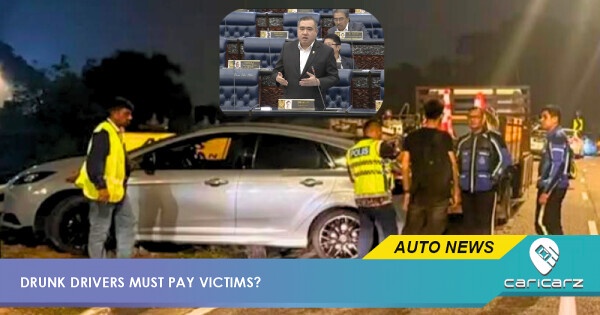
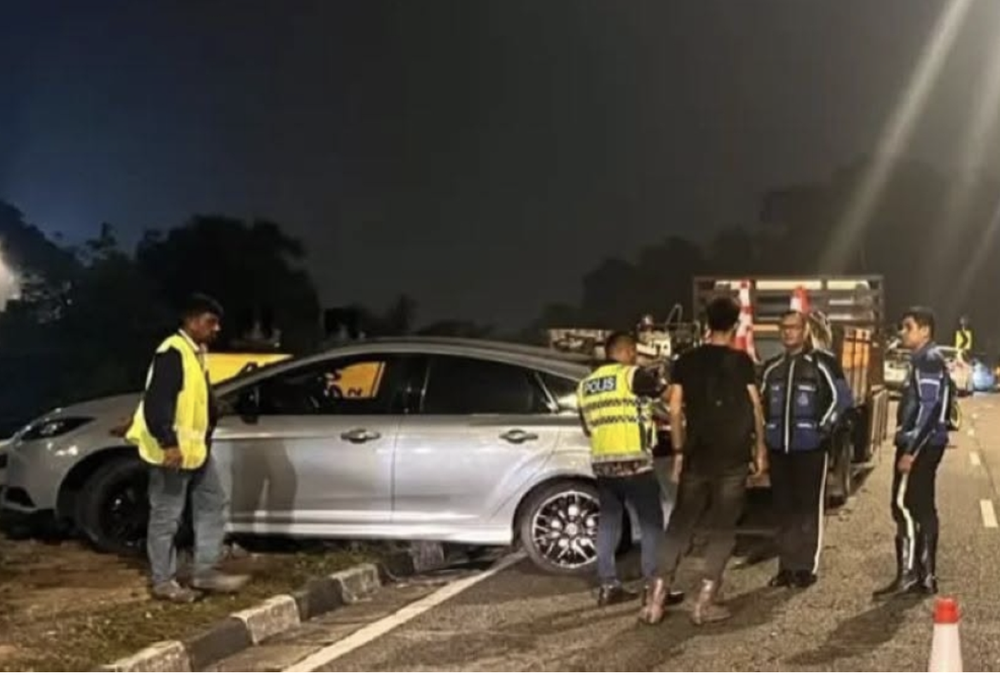 The scene of a fatal crash along Lebuhraya Sultan Iskandar, Kuala Lumpur, on 24 October 2026, which claimed the life of 29-year-old road maintenance supervisor Faris Irfan Fazli and injured a 49-year-old lorry driver. A 26-year-old flight attendant subsequently pleaded not guilty to two drunk-driving charges in connection with the incident. (Photo: PDRM)
