
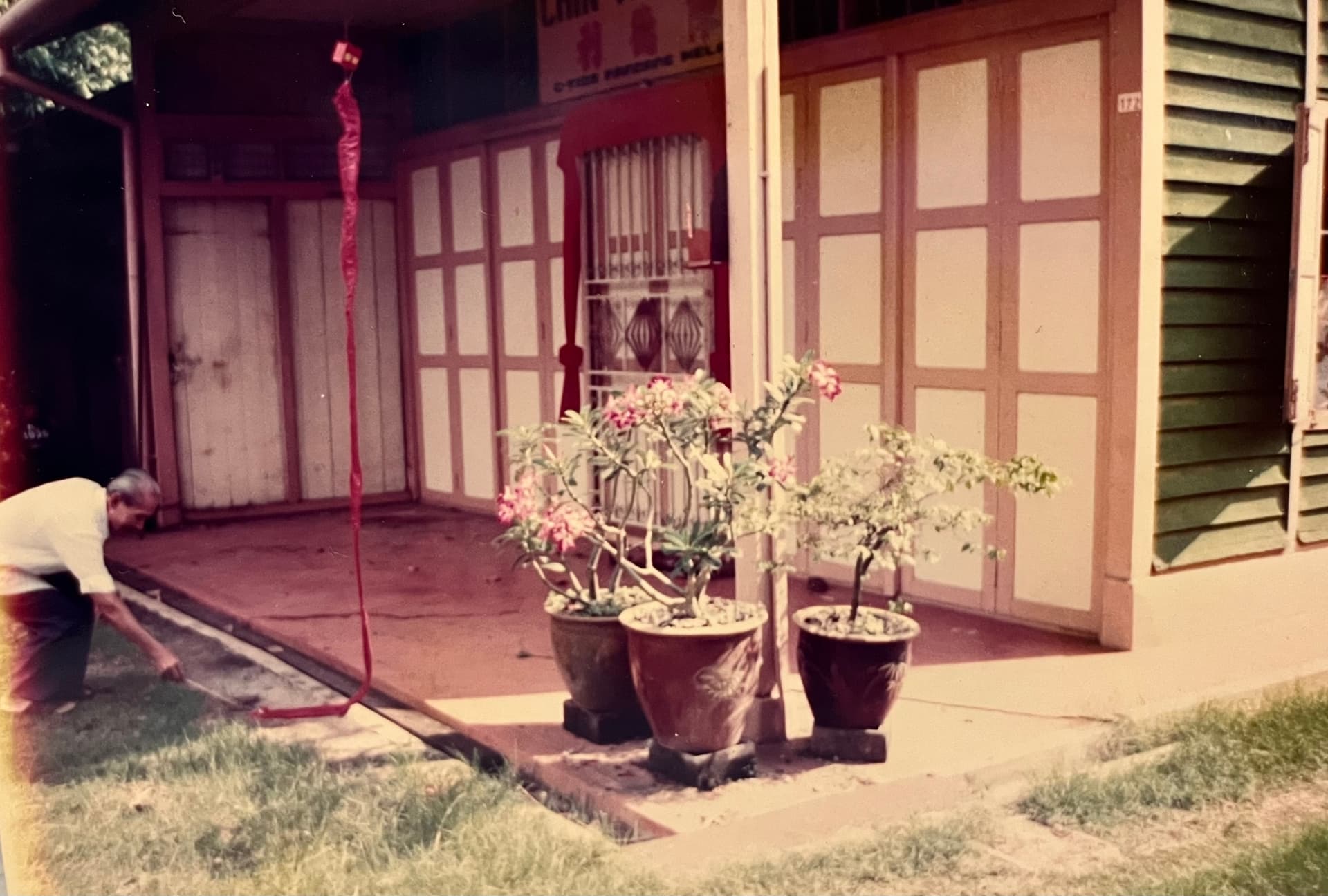
Being an Anak Malaysia means remembering where you came from even when the house no longer stands. I was born in 1965 in Kampung Kandang, Melaka, to Hakka parents who taught me that food is more than just fuel. It is love. It is memory. It is culture.
My beloved mother left us forever in August 1989, just a week after I received my degree. It was the saddest time for our family. She was extraordinary in the kitchen, and our entire family adored her. My mother was a woman of grace, kindness, and boundless love. Even now, we deeply miss the deliciousness of her cooking.
My siblings and I grew up in a happy home surrounded by relatives and villagers of all races; Chinese, Malay, Indian and Serani. My father was a blacksmith, and though our life was simple, we lived comfortably.
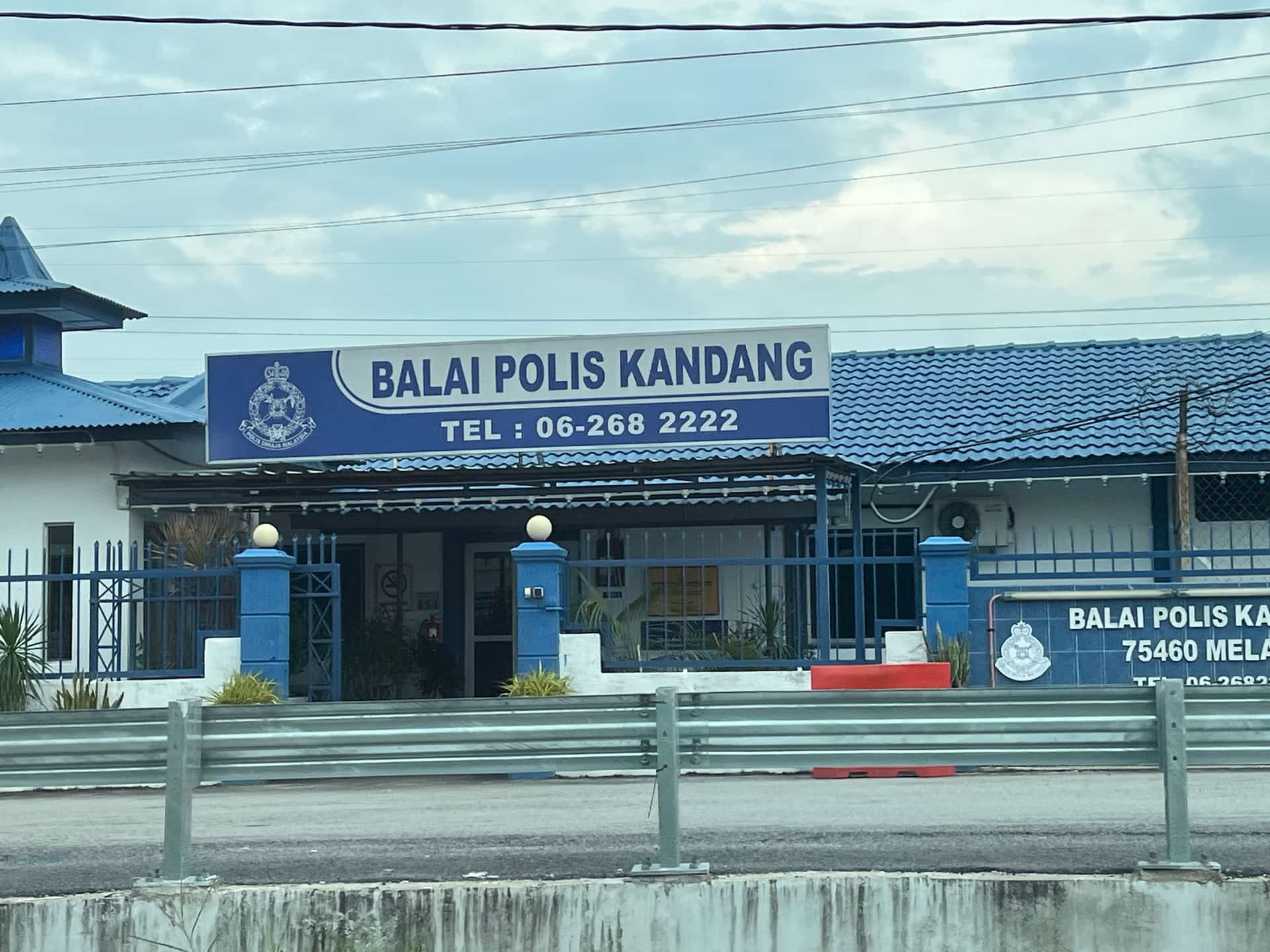
Being an Anak Malaysia means we get to keep our own traditions and the food we love, while still embracing others. My mother's cooking was purely Hakka. Being passed down through generations in our family. Even today, when I prepare the Abacus Yam Seeds, I feel deeply connected to my roots. We never had to hide our culture or our favourite foods. We celebrated them openly, proudly, and deliciously. That is the beauty of Malaysia. We hold onto what is ours, and we also open our hearts to what is our neighbours'. Today, I cook this dish for my family whenever we gathered. Even my sister-in-law knows how to make it because it is my brother's favourite.
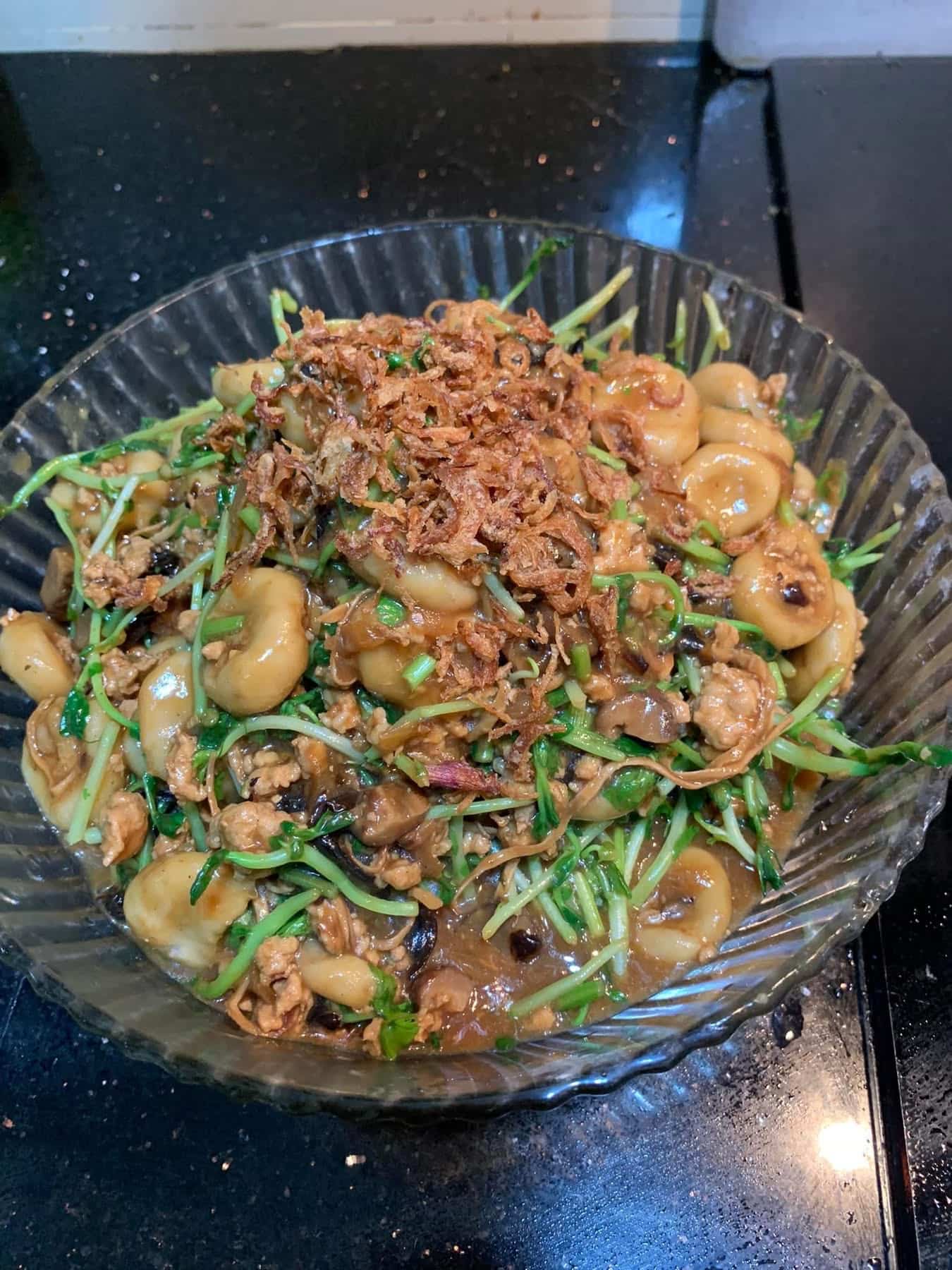
Being an Anak Malaysia means celebrating together.
A month before Chinese New Year, our kitchen came alive. Makcik-makcik from the neighbourhood would gather at our home to bake traditional cookies. They would bake Kuih Bahalu using charcoal moulds, Kuih Kapit on special iron plates, Kuih Bangkit, Peanut Cookies, and Nyonya-style Pineapple Tarts. The sweet aroma would greet us as we returned from school, and my mother would set aside the imperfect ones for us to enjoy. Seeing those makcik-makcik laughing and working alongside my mother filled my heart with joy. They were not just neighbours they were family. That was the spirit of muhibbah.
When Chinese New Year arrived, my parents would give ang pow to the neighbour kids who came visiting. My sisters and I would help distribute cookies in small plastic bags to our neighbours. And the best part? We got to wear new clothes. My sisters and I wore matching clothes that were tailored by our Chinese neighbour who was a seamstress. For three days, we avoided sweeping the floor as it was considered bad luck. We happily feasted endless on sweets and homemade cookies and dishes.
Being an Anak Malaysia means embracing our neighbours' celebrations too.
During Hari Raya, our Malay neighbours would send over ketupat with spicy sambal and rich rendang ayam. During Deepavali, our Indian neighbours would share murukku and sweet athirasam. We never questioned their faith or culture we simply celebrated together. The joy was in the sharing.
When young we had sweet tooth! We drank lots of those sweet, fizzy drinks in glass bottles ie Fanta, Mirinda, 7UP, Sarsi, Kickapoo, Pepsi. These were served with big blocks of ice that my brother would buy from the sundry shop and crush with a parang. That was our version of heaven on a hot afternoon.
Being an Anak Malaysia means exploring nature with friends and respecting what we cannot explain.
On weekends, my childhood friends and I would roam the village jungle in search of seasonal fruits like rambutan, durian, mangga, langsat, and manggis. We climbed trees and played the whole afternoon. Across the road lived an elderly couple who owned a land full of coconut, mango, and manggis trees. When harvest time came, they would invite us to take as much as we wanted. In return, we helped them sweep and mop their floors. That was our village way, we gave and received with open hearts.
But our greatest treasure was the attap fruit. or attap chee from the nipah palm. We would searched through the mangrove swamps to collect the young fruits. Only the "just right" ones were soft and chewy. We would split each triangular fruit with a parang. The skill that required precision and scoop out the translucent white flesh with our thumbs or a small spoon.
Back home, my mother would boil gula melaka with pandan leaves until it became a thick, fragrant syrup. She would pour it over the attap seeds, add crushed ice, and serve us the most refreshing drink of our childhood. Sometimes we would mix it with rose syrup or orange cordial and it tasted like summer in a glass.
Being an Anak Malaysia means believing in the unseen and respecting what we cannot explain.
My childhood friends and I loved exploring the small jungle behind our houses. But we would remind each other not to call out our real names. We believed that if spirits knew our names, we'd be disturbed and fall ill. So we called each other by numbers according to age. The oldest given the smallest number as leader. I still remember once when my second brother fell seriously ill after a jungle adventure. At night, he hallucinated that his hands were swelling and becoming huge! He screamed and cried.
Fortunately, there was an elderly makcik in our neighbourhood known as a village bomoh. My parents called her immediately. She came with holy water, reciting Quranic verses while sprinkling water over my brother. Slowly, he calmed and finally fell asleep. The next day, he recovered and couldn't remember what happened. The bomoh told my parents that perhaps my brother had encountered an angry spirit. He had either relieved himself in the wrong place without permission, or because he ate unknown wild fruits along the way.
Whatever it was, we were grateful for the bomoh’s help. That was our kampung where people of different beliefs looked out for one another. A Chinese family seeking help from a Malay healer, and being healed with prayers from the Quran. It is the Malaysia I grew up in. No one questioned it. We just helped each other. That is true unity.
Those kampung years taught me that food was our first language of unity. Traditional ketupat, murukku, and kuih bahalu sharing the same table, long before I truly understood the weight of Merdeka. My mother's kitchen, the aunties' cookies, and the neighbours' festive dishes were not just meals. They were quiet lessons in muhibbah, passed down through steam and spice, without a single word spoken.
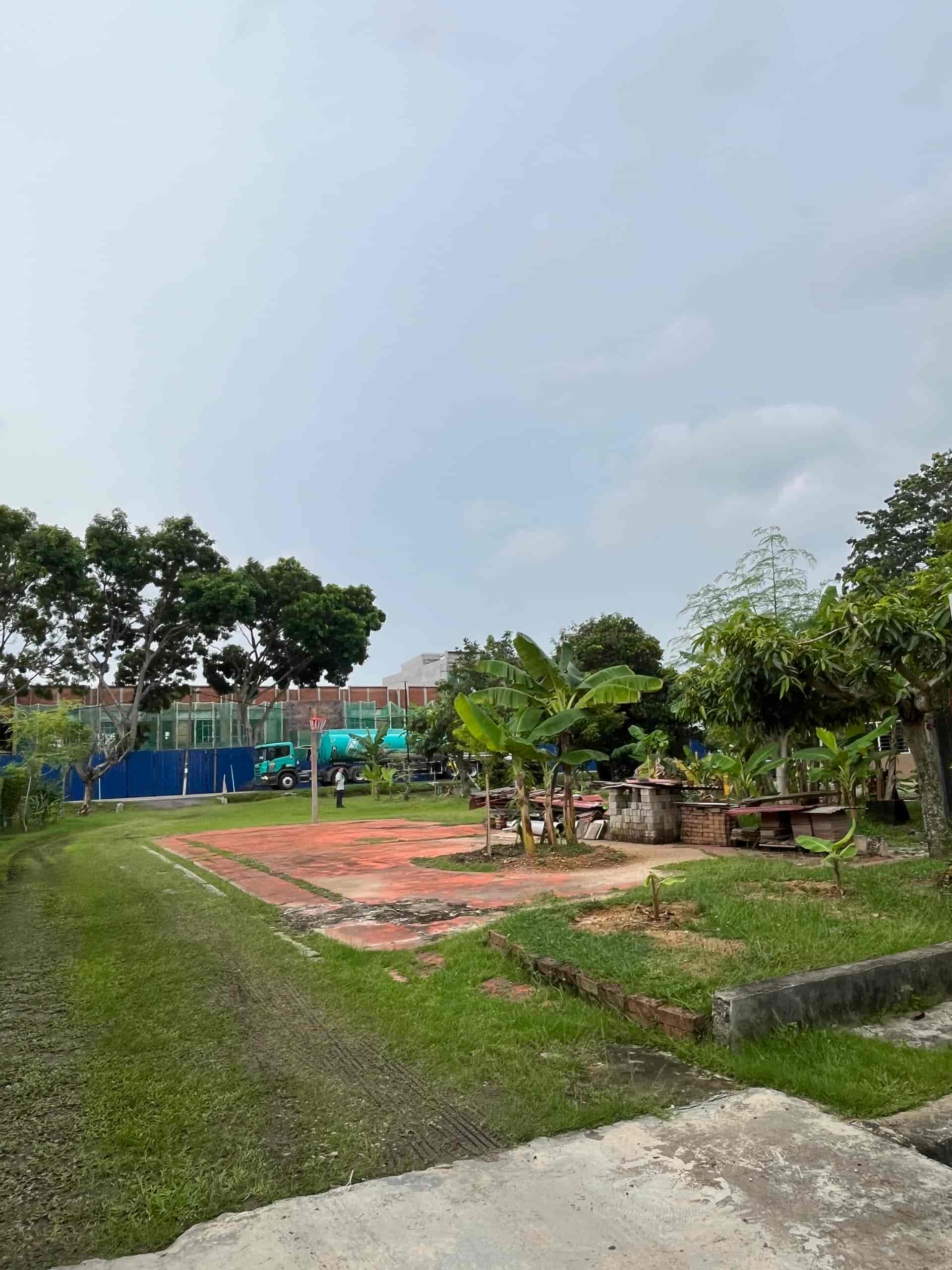
But independence brought progress, and progress brought change. As our childhood home turned to dust and our kampung friends faded into memory, I realised our nation's journey was far from over. What we gained, and what we left behind, is a story for another day, one I will share with you in Part 2.
Share your Anak Malaysia stories and stand a chance to win prizes worth up to RM2,880! Find out how to join here. T&Cs apply.
Chin Yl (chin8122@gmail.com) is a content creator under the Newswav Creator programme, where you get to express yourself, be a citizen journalist, and at the same time monetize your content & reach millions of users on Newswav. Log in to creator.newswav.com and become a Newswav Creator now!
The User Content (as defined on Newswav Terms of Use) above including the views expressed and media (pictures, videos, citations etc) were submitted & posted by the author. Newswav is solely an aggregation platform that hosts the User Content. If you have any questions about the content, copyright or other issues of the work, please contact creator@newswav.com.