Nobody cares where the salt in the chip shop comes from. Frankly, it would be weird to ask.
Maldon is a bit different. So seemingly important is its provenance that chefs often specify that they’ve used it on their tomatoes. One suspects this is more to do with justifying charging you a fortune for a plate of salty tomatoes than what it actually brings to the dish.
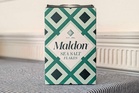
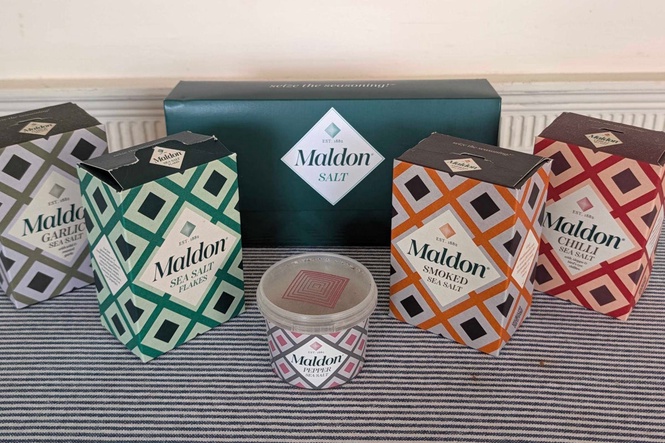
At home, you can buy the giant flakes in pretty geometric boxes and embody the spirit of Salt Bae, content in the knowledge that this salt is Essex salt and there’s nothing more British than that. Only it isn’t.
Over the weekend, The Observer reported that Maldon, which has been making salt in Essex since 1882, actually uses a great deal of rock salt mined in Germany to make its “100 per cent sea salt flakes”. Undercover food nerds watched four lorries deliver bulk bags stamped with the logo of German producer K+S to the plant near Goldhanger over two days in October. They estimated that at least 50 tonnes of the stuff must be being delivered every week. How many of those pretty little boxes are more German than British is still unclear.
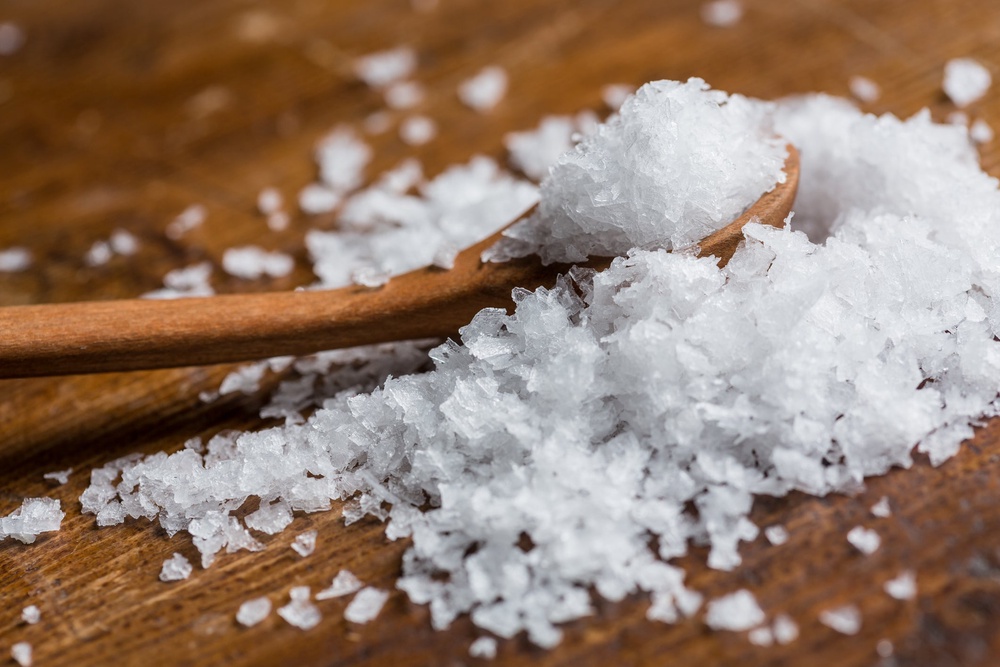
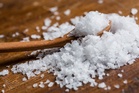
The flakes themselves are still made in Essex, with water from the Blackwater estuary. Maldon adds rock salt to make a stronger brine, then evaporates the water until its signature crystals form. The method isn’t new. It’s a centuries-old technique called “salt-on-salt”.
The German bit is newer. Salt in the wound, if you like. According to The Observer, the rock salt Maldon used to use came from Cheshire until around 2020 or 2021 – which, by the way, is still not in Essex. Maldon has since added a description of the method to its website after the paper got in touch.
Andrea Sella, a professor of chemistry at UCL, told The Observer that the sodium chloride from the two sources is indistinguishable once it’s been mixed. Essentially: salt tastes like salt, no matter where it’s from. You might be able to test the crunch you seemingly paid for by sprinkling the flakes on a tomato, but the tomato can’t do much by way of a provenance check.
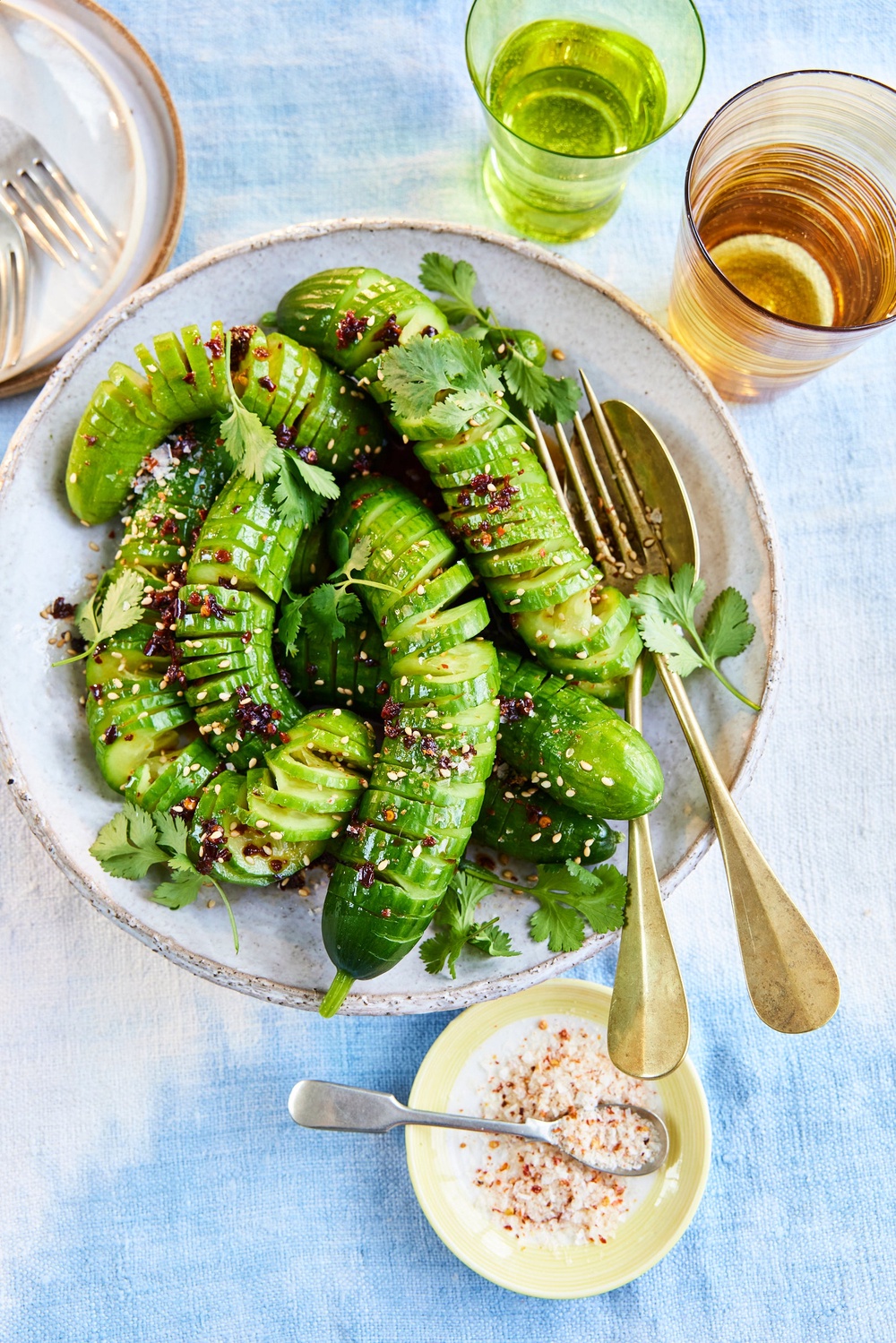
Maldon’s argument is that historically all salt originated from the sea, even the stuff now mined on land. Geologically, fair enough. It’s just that when a box tells you about the Essex coast, it’s not a leap of faith to assume the salt in the box might actually come from there. The company says it has never sought to conceal its methods. A spokesperson said that its products “fully comply with applicable food and labelling requirements in the markets in which they are sold”. Which, for all intents and purposes, is true.
In 2019, Essex trading standards and the Food Standards Agency inspected the site and took samples. No further action was deemed necessary as there are no specific legal criteria for deciding what can be called sea salt. Canada, less inclined to take the long view, has changed some of its packs to say “Maldon Salt”.
Look a little closer and you’ll see we Brits have become extraordinarily good at confusing where something belongs with where it’s made.
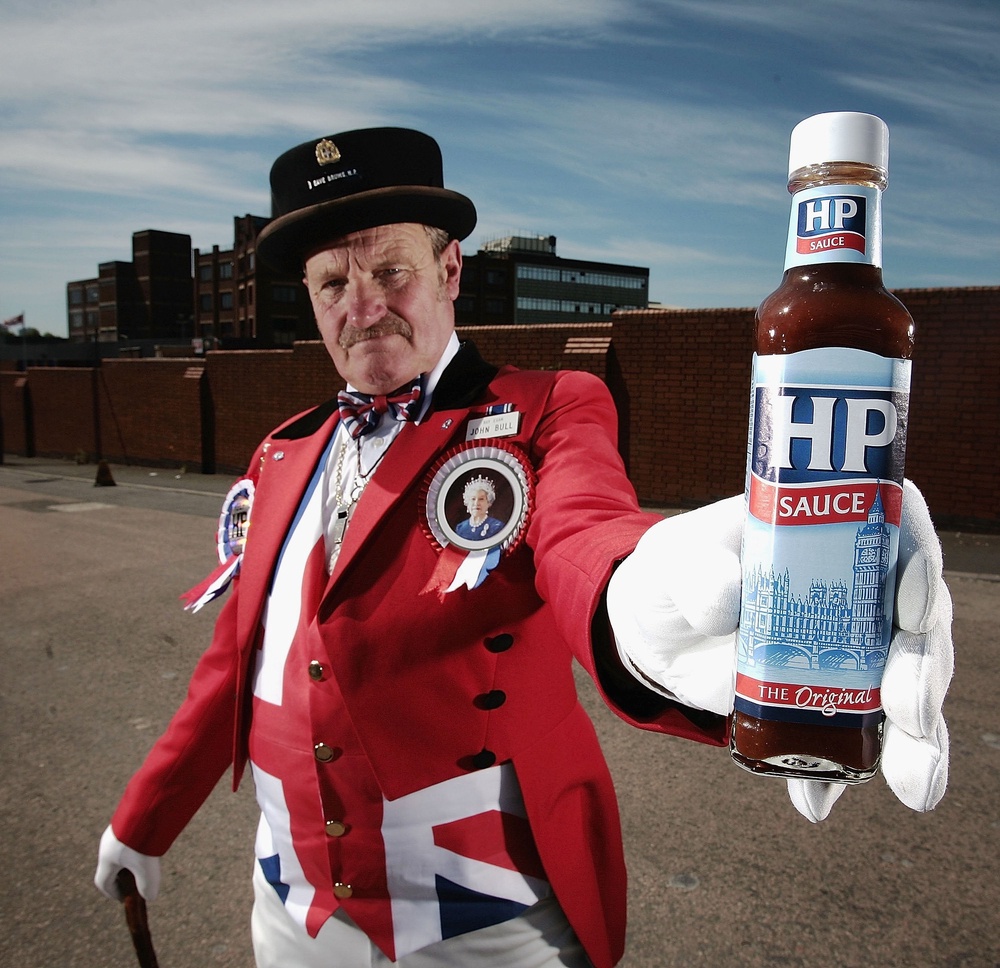
HP Sauce
You would have thought that printing the Houses of Parliament on a bottle of HP Sauce is about as British as you can make something look without putting it in an orderly queue or making some inane remark about the weather. But the “iconic” British brown sauce hasn’t been made in the UK since 2007. For nearly 20 years, it’s been made by Americans in the Netherlands.
Speaking of which, the breakfast table is an absurdly good place to start if you’re looking for cases of culinary mistaken nationality.
Baked beans
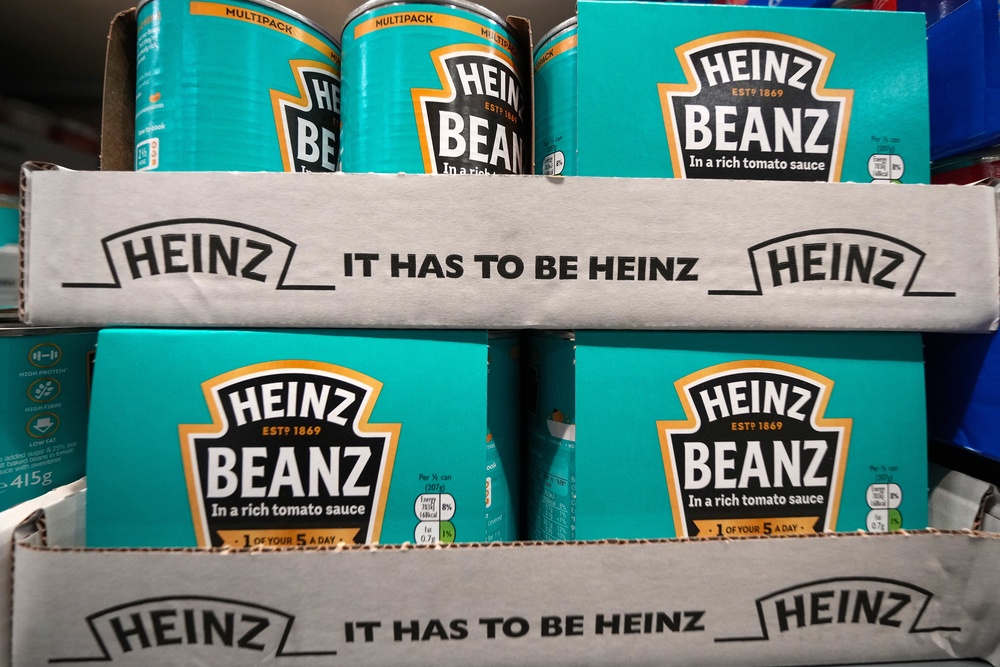
The same company responsible for HP Sauce also produces baked beans. Heinz Beanz arrived in the UK in 1886. They were first stocked in Fortnum & Mason, which is a rather grand entrance for something we’ve all eaten cold over the sink in a bind at least once. Today, all of the Heinz beans eaten in the UK – whether over the sink or otherwise – are cooked and tinned in a factory in Wigan, but the dried haricots inside the tins are still shipped in from North America. We can’t even grow haricot beans here without genetic modification.
Golden Syrup and marmalade
Lyle’s Golden Syrup has been made at Plaistow Wharf in east London since the 1880s, but in case no one has noticed, nobody is harvesting sugar cane in Silvertown. The raw cane sugar comes from abroad, such as Belize, Brazil and Australia. Another offender in Essex is Tiptree, known for jams, conserves, marmalades and, more recently, ketchup and barbecue sauce. All very British-coded. Its owner, Wilkin & Sons, says it goes back to the same family orchard in Seville every year for the oranges in its marmalade. You’d probably have more cause for complaint if the oranges were actually grown in Britain.
British wraps and pies
When Which? looked at Aldi’s Crestwood bacon and cheese wraps in 2024, it found the Union Jack and “Made in Britain” on the front, and pork from the EU on the back. British pigs didn’t make the cut. The same was found with an Aldi steak and gravy pie. Aldi said at the time that it worked hard to ensure its labelling complied with the rules.
In the same investigation, Which? found that tomatoes from Morocco, parsley from Italy and sweet mini peppers from Spain were all advertised under a banner with a Union Jack and the words “Championing Great British Quality”.
Even a place name with a legal protection can tell you less than you’d think. A Cornish pasty has to be prepared in Cornwall, but the beef, potatoes and swede don’t have to come from Britain. You don’t even have to bake it in Cornwall; it just has to get its crimp there.
There’s no reason to swap your Maldon if what you like about it is the crunch and the pretty packaging. If what you liked was the idea of knowing exactly which water it came from, Anglesey Sea Salt, sold as Halen Môn, has a protected designation of origin. Its specification lists a single raw material – seawater from the Menai Strait. It ought to be possible to find out that sort of thing without keeping tabs on the lorries.
Read MoreHow learning an ancestral language helps you reclaim your heritage
Cold nights call for good wine – these are the best bottles from just £6
Pineapple on pizza is just the start – the other food crimes against Italian cooking
How El Nino and heatwaves have stressed out Christmas trees and led to a shortage
Dr Rupy Aujla warns our protein obsession could be leaving our guts short of fibre
Facts in the Ramsay and Marco Pierre White feud are disputed. So what’s the truth?