Inflation jumped to 3.1 per cent in August, driven by rising petrol and diesel prices, the latest official statistics have revealed.
It marks a five-month high, rising from 2.9 per cent in July as conflict in the Middle East continues to hit fuel prices around the globe.
The headline inflation figure – Consumer Price Index (CPI) – reflects how quickly prices are rising in the UK. The latest jump takes it further from the Bank of England’s 2 per cent target, prompting concerns its Monetary Policy Committee may soon raise interest rates again.
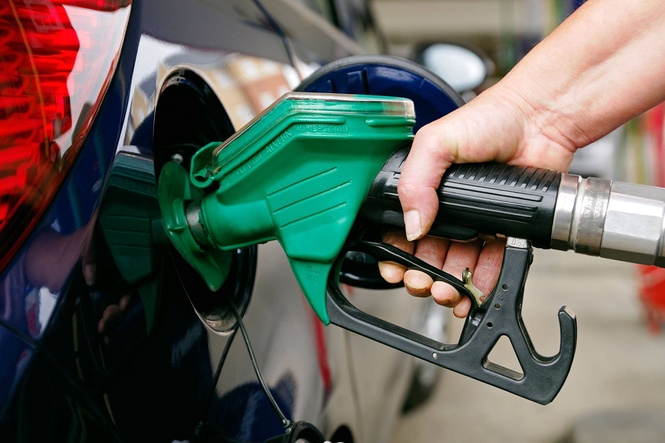
Motoring costs contributed significantly to the rise in inflation, with the average price of petrol rising by 9.1 pence per litre between July and August, to an average of 161.3 pence per litre.
The price of diesel rose by 14.2 pence per litre to an average of 181.8 pence per litre for the month.
Regional data from Fuel Map UK, based on official government records, reveals some differences in the cost of fuel to motorists based on location.
The highest average cost of unleaded is currently in the Isle of Wight, at 176.6p per litre, followed by Surrey (173.9p), Berkshire (173.8p), and Dorset (173.7p).
Meanwhile, the cheapest average is in Dyfed, Wales, at 168.6p per litre. This is followed by West Yorkshire (168.7), Gloucestershire (168.8p), and Rutland (168.9p).
ONS chief economist Grant Fitzner said: “Sharp price rises for petrol and diesel pushed inflation up again in August.
“Higher air fares, particularly for long-haul journeys, also contributed to the increase.”
Costs have continued to rise since February, when the US launched strikes on Iran. The Middle Eastern nation has since effectively ceased control of the Strait of Hormuz, through which around 20 per cent of the world’s oil flows, hitting fuel markets across the globe.
Since January, the price of petrol is up 26.4 per cent, and diesel 33.8 per cent.
Ceasefire talks between the two nations also broke down in July, leading to a fresh uptick in oil and gas prices.
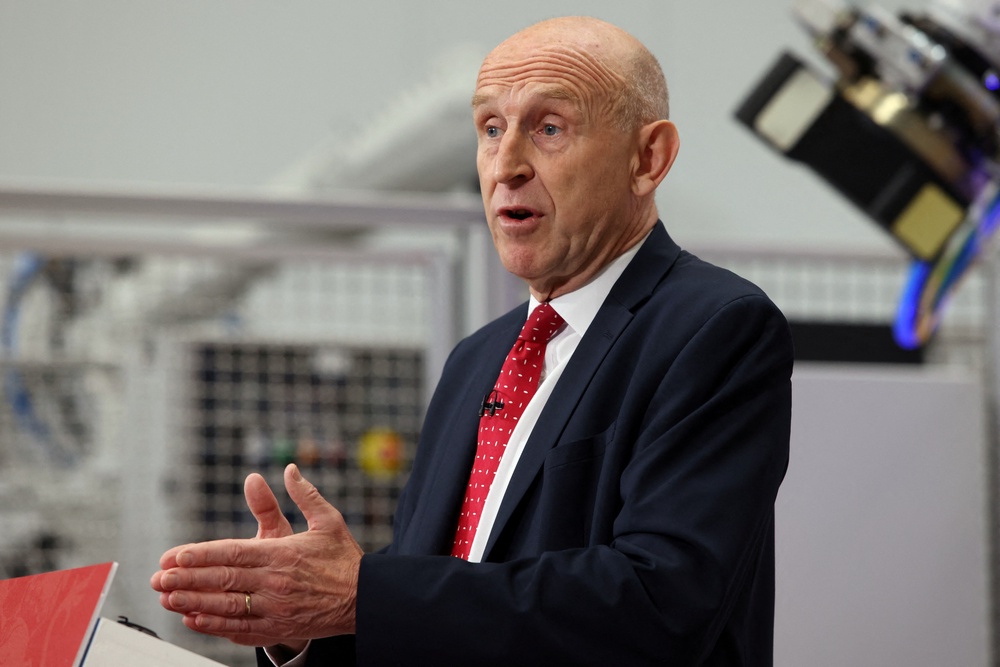
Chancellor John Healey said: “The war in the Middle East is impacting on inflation worldwide, not just here at home, in our bills, our weekly shop and at the petrol pumps.
“We have taken early action to help give families and businesses breathing space, by cutting tax on electricity bills, capping bus fares at £2 and lowering rates for pubs, social clubs and live music venues.
“Despite this serious global uncertainty, our UK economy is proving resilient, and our determination to deliver growth in every postcode continues.”
Further pressure is expected throughout the year as energy bills rise four per cent in October under Ofgem’s latest price cap. Experts at Cornwall Insight have forecast that this rate could increase by as much as nine per cent from January, adding an extra £200 to household costs.
Thomas Pugh, chief economist at RSM UK, said: “The rise in inflation in August is just the start of a new upward trend as higher energy, food and memory chip prices continue to make their way through supply chains.
“We now see inflation peaking at almost 4 per cent in early 2027, before gradually dropping back to 2 per cent in 2028.”
What factors helped lift inflation in August – and where did prices fall?
Inflation jumps to five-month high as cost-of-living pressures mount
UK inflation rate rises to 3.1% in year to August
Piddington has voted to leave the UK. What does that actually mean?
Irish President meets John Swinney as Scotland visit gets under way