
Table of Contents
Guide to men’s leather shoes
LEATHER shoes have survived changing dress codes. A well-chosen pair can carry a man through office hours, weddings, dinners and weekends, but the differences between styles are easy to miss.
The main distinction comes down to how the shoe fastens, how much decoration it carries and the leather used.
Closed and formal
The Oxford is the traditional starting point for formal footwear. Its defining feature is closed lacing, where the leather sections holding the eyelets are stitched beneath the front of the shoe. This creates a clean appearance that sits neatly under tailored trousers.
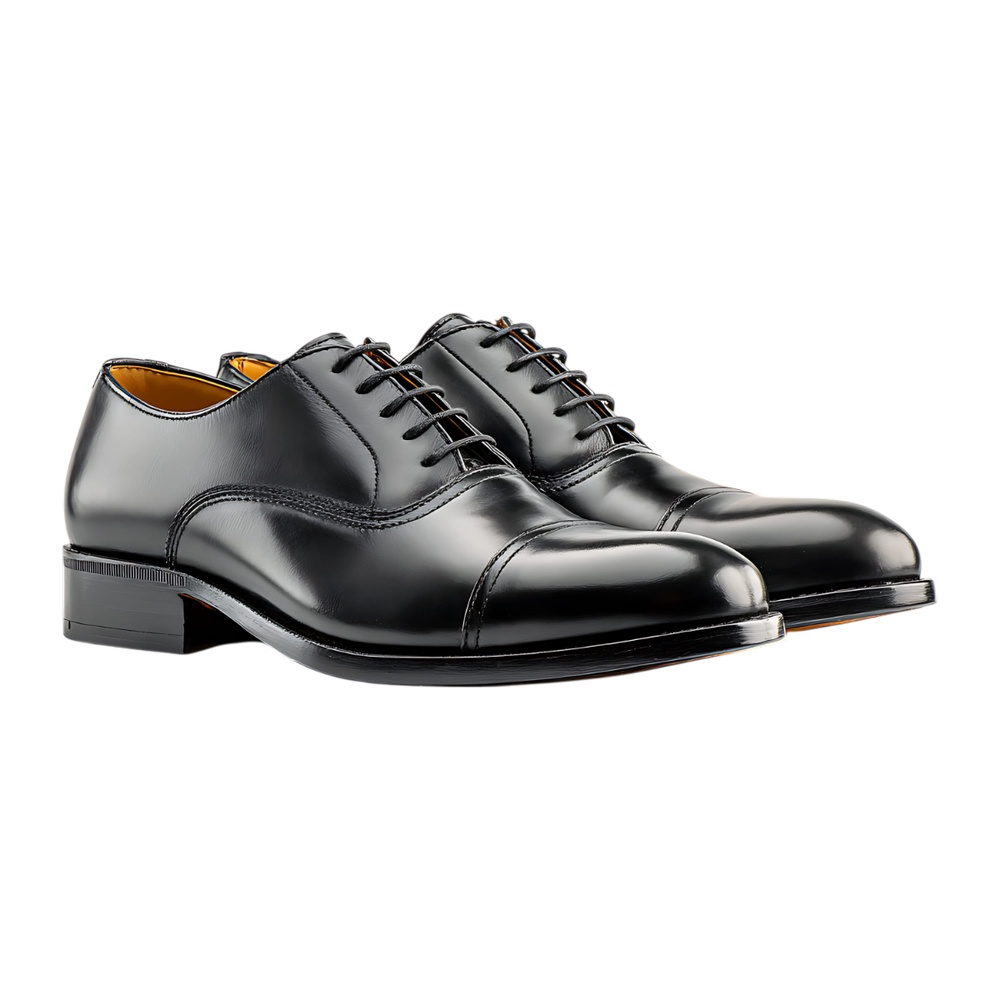
Black cap-toe Oxfords remain one of the safest choices for business suits, formal dinners and weddings. Brown versions are slightly more relaxed and pair well with navy, grey and earth-toned tailoring.
Whole-cut Oxfords, made with a single piece of leather across most of the upper, look sleek, while brogued versions add decorative punching and reduce some formality.
Open and versatile
Derby shoes resemble Oxfords, but their eyelet sections are sewn on top of the shoe. This open-lacing construction gives the foot more room and creates a broader appearance.
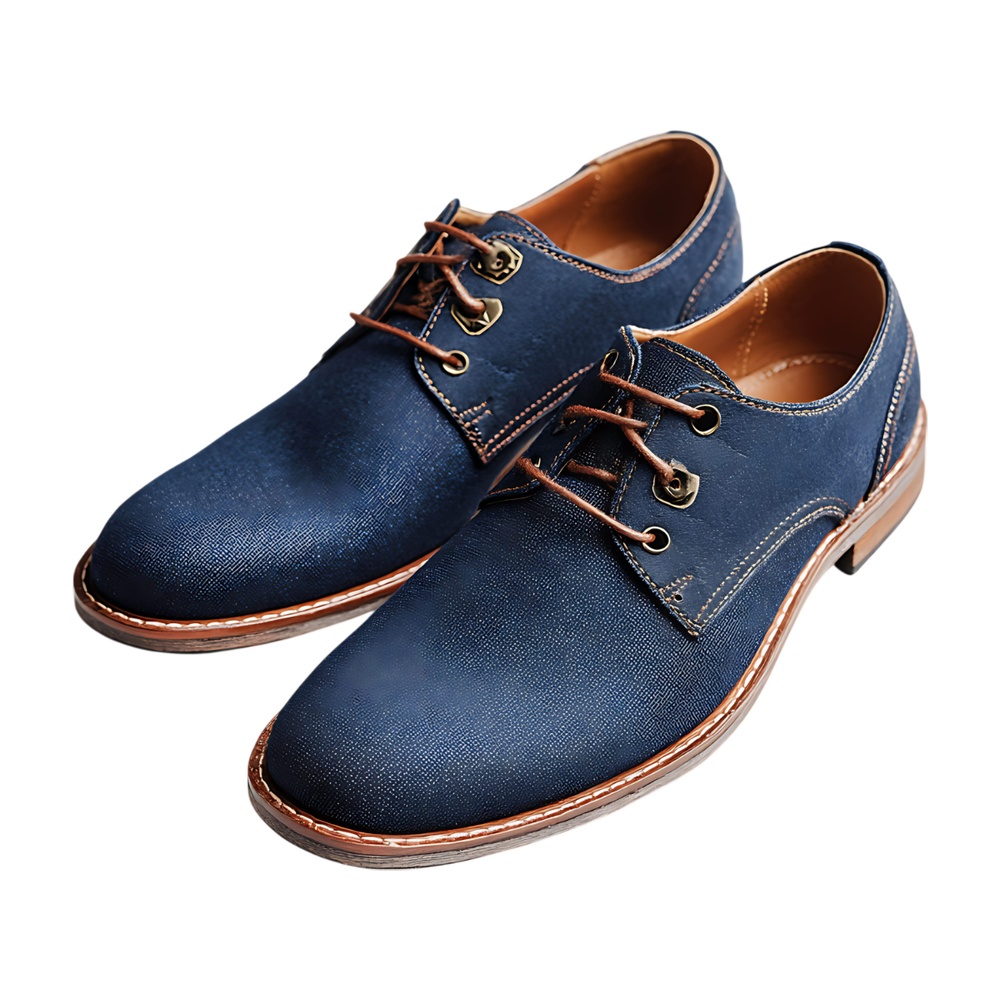
The Derby is useful for men who want one shoe that can move between formal and casual clothing. A polished black pair can be worn to the office, while brown or burgundy Derbies work with chinos, tailored trousers and dark denim. They are commonly produced with brogue details, making them suitable for outfits that do not require the sharpness of an Oxford.
Buckled up
Monk shoes replace laces with one or two leather straps secured by buckles. Single monks are cleaner and slightly more formal, while double monks have a stronger visual presence.
They sit between Oxfords and Derbies in formality and are often worn with business suits, smart trousers or fitted jeans. Brown, oxblood and burgundy are effective because the colour draws attention to the buckles and leather finish. Suede monk straps offer a softer version, though they require extra care in wet weather.
Built for the deck
Boat shoes are low-cut leather shoes with rubber soles designed to provide grip on wet surfaces. They usually feature moccasin-style stitching and leather laces threaded around the sides.
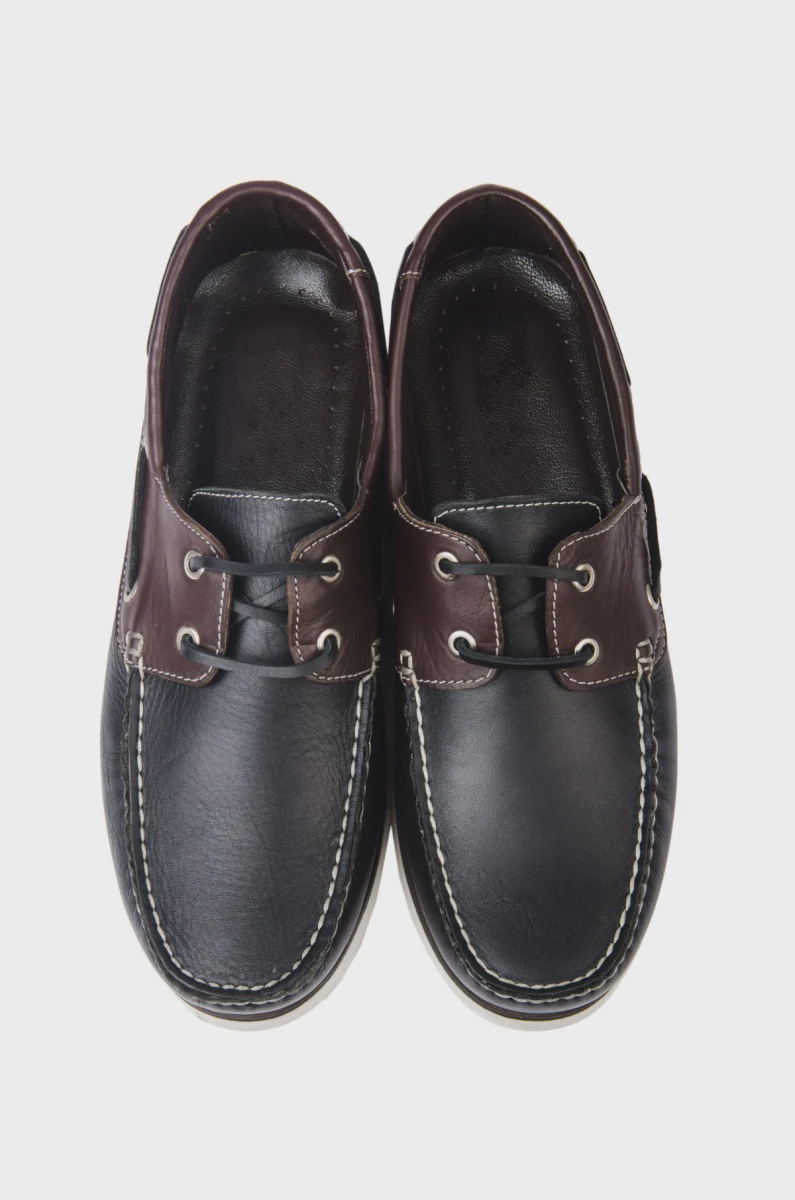
Traditionally worn without socks, boat shoes suit shorts, chinos, linen trousers and other relaxed clothing. Brown and tan are the most common colours. They are casual shoes and should not be worn with formal suits or eveningwear.
Easy slip-ons
Loafers are laceless leather shoes designed to be slipped on and off easily. Penny loafers have a leather strap across the front, tassel loafers add decorative tassels and horsebit loafers use a metal bar across the upper.
Their formality depends on the design. A black leather horsebit loafer can work with a suit, while brown penny loafers suit chinos, linen trousers and smart casual outfits. Tassel loafers fall somewhere in between. Loafers are easy to wear in Malaysia’s climate because their low-cut shape feels lighter than heavier lace-ups.
Boots with polish
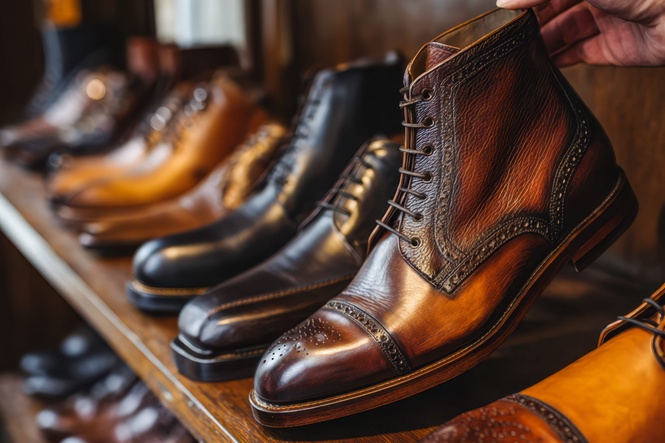
Dress boots offer the structure of formal shoes with added ankle coverage. Balmoral boots use closed lacing similar to Oxfords, while other leather boots may feature open lacing, elastic side panels or buckles.
Black dress boots can accompany formal daytime clothing, although brown versions are more common for everyday wear. Chelsea boots, with elastic side panels, are versatile. Sleek leather pairs can be worn with suits, while thicker soles and rounded toes suit jeans and casual trousers.
Understanding broguing
Broguing refers to decorative perforations punched into leather. Full brogues, commonly called wingtips, have a wing-shaped toe design and extensive punching. Semi-brogues use a straight toe cap with decoration, while quarter brogues keep the detailing restrained.
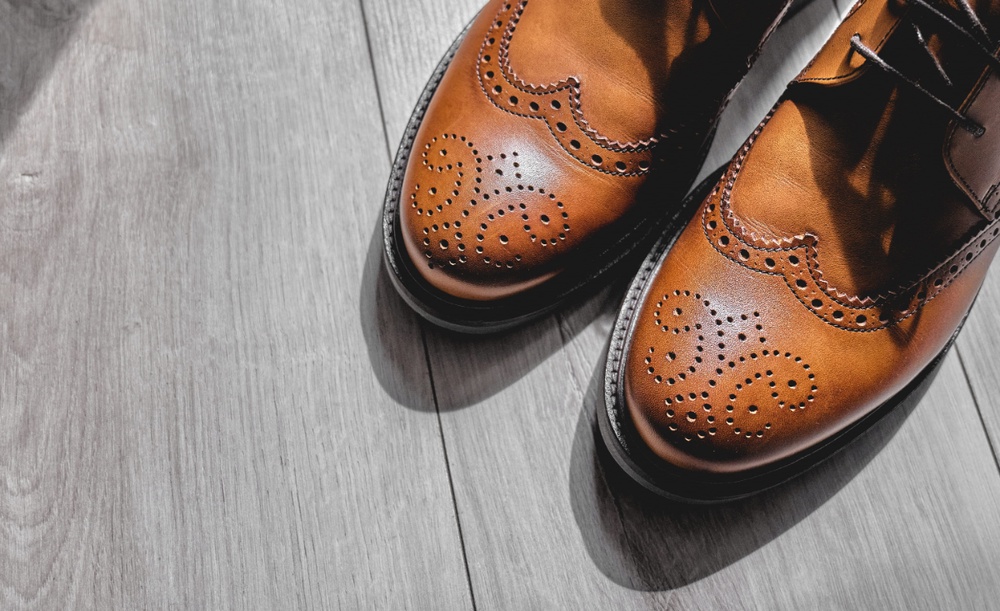
The more decoration a shoe carries, the more casual it generally appears. A plain black Oxford is more formal than a heavily brogued brown Derby, even when both are made from polished leather.
Choosing colour and material
Black remains the most formal choice for conservative workplaces and evening events. Dark brown is more flexible for daily wear, while chestnut, burgundy and oxblood add colour without becoming difficult to match. White leather shoes are specialised and usually belong with summer clothing.
Calf leather is widely used because it can be polished to a smooth finish. Suede has a softer texture and suits casual outfits, while cordovan is dense, durable and develops a rich surface over time. Rubber soles offer grip and durability, although leather soles generally look more refined.
A small rotation is more useful than a cupboard full of similar shoes. For most men, a black Oxford, a brown Derby or loafer and a practical leather boot will cover nearly every situation.
READ MORE: